
Ammonium Chloride Dryer Manufacturer | NH₄Cl Crystal & Cake Drying
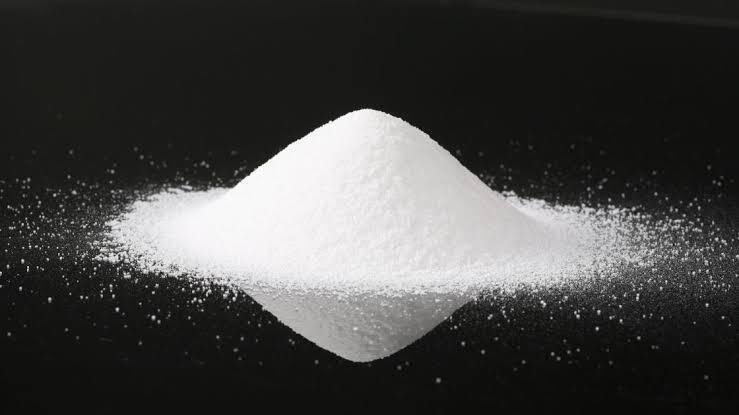
Ammonium chloride (NH₄Cl) is produced as crystals from solution processes and typically dewatered on centrifuges or filters before drying. The dryer must reach a specified residual moisture without driving the salt into temperature regions that increase sublimation loss, product degradation risk, or severe corrosion from moist chloride vapours. This guide helps buyers evaluate an ammonium […]
Soda Ash Dryer Manufacturer | Sodium Carbonate Drying Systems
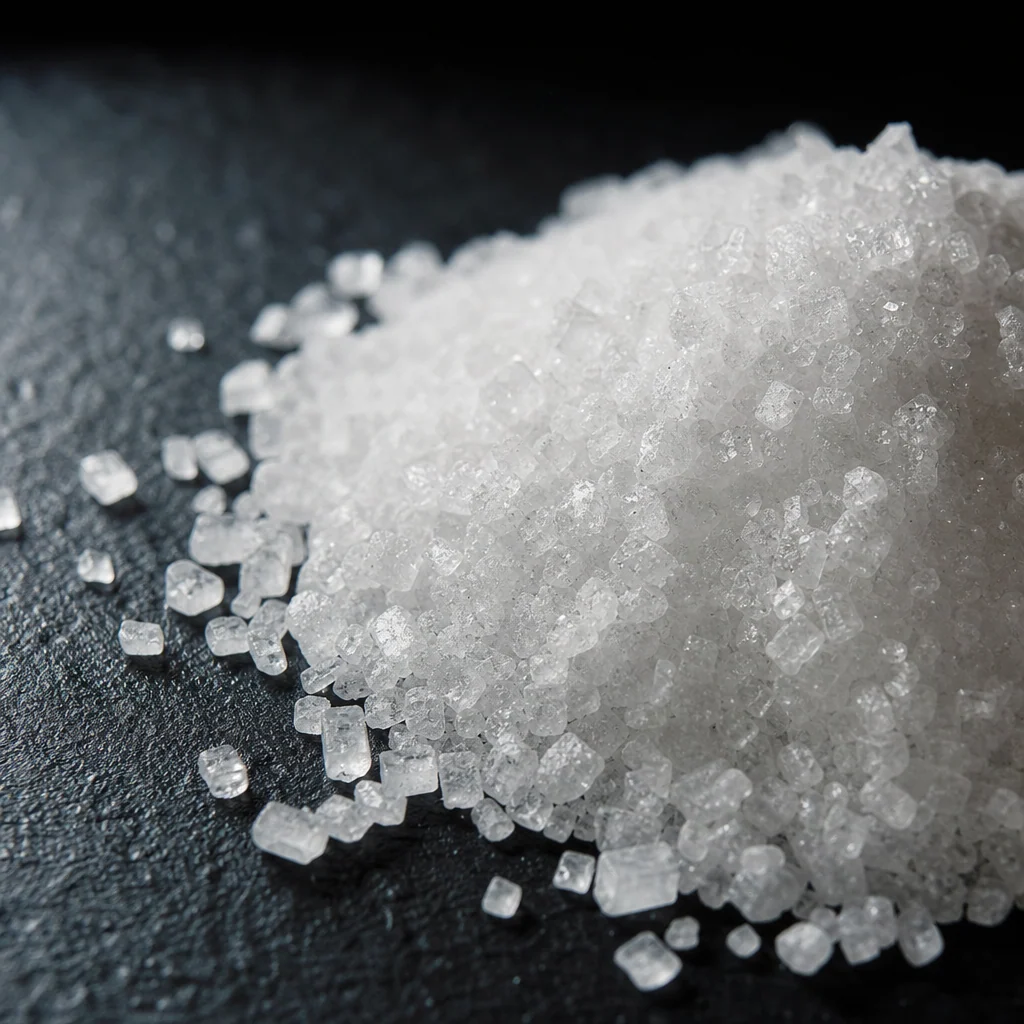
Soda ash (sodium carbonate, Na₂CO₃) is produced as light ash or dense ash for glass, detergents, chemicals and other industries. After crystallisation and solid–liquid separation, the wet solid must be dried to a specified residual moisture without creating excess dust, lumps or off-spec bulk density. This page helps buyers evaluate a soda ash dryer manufacturer: […]
Magnesium Carbonate Dryer Manufacturer | Filter Cake & Powder Drying Guide
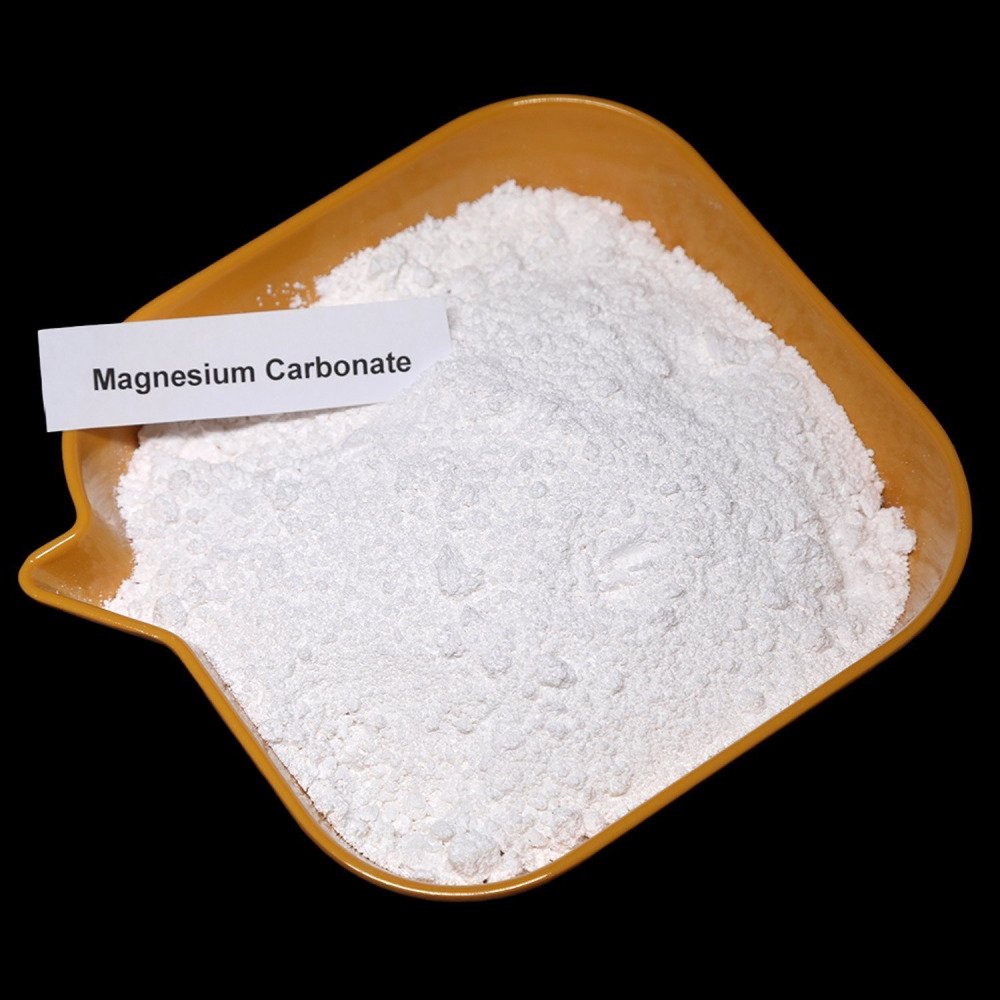
Magnesium carbonate (MgCO₃) and related basic carbonates / hydromagnesite-type products are widely produced by precipitation and filtration. The dryer must remove water without destroying the carbonate (unless calcination to oxide is the real goal), handle sticky or light dusty solids, and meet residual-moisture and bulk-density targets for downstream use. This page is a practical guide […]
Magnesium Chloride Hexahydrate Dryer Manufacturer | Drying & Dehydration Guide
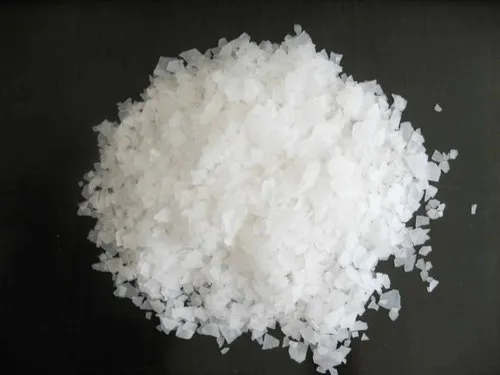
Magnesium chloride hexahydrate (MgCl₂·6H₂O, bischofite) is not a simple “wet solid.” It is a crystalline hydrate that is strongly hygroscopic, can pass through sticky or molten intermediate states on heating, and — if pushed too far in ordinary hot air — undergoes hydrolysis that forms basic magnesium compounds and releases HCl. Buyers searching for a […]
Low-Temperature Drying Technologies for Heat-Sensitive & High-Value Products

Heat-sensitive and high-value products — enzymes, probiotics, herbal extracts, specialty foods, pigments, APIs and similar materials — often cannot tolerate the temperatures used in conventional hot-air dryers. The result of aggressive drying is loss of activity, colour, aroma or yield that destroys product value. Low-temperature drying is the family of approaches that keep product temperature […]
Energy-Efficient Orthodox Tea Drying Systems: Reduce Fuel Cost While Protecting Leaf Integrity

Fuel for tea dryers is one of the largest controllable costs in an orthodox factory. At the same time, export and premium buyers reject leaf that is dull, case-hardened or uneven in residual moisture. The challenge is clear: use less energy per kilogram of made tea without sacrificing leaf integrity. This guide sets out practical […]
How to Choose an Orthodox Tea Dryer for Premium Quality & Export Markets (Moisture, Colour & Aroma Guide)
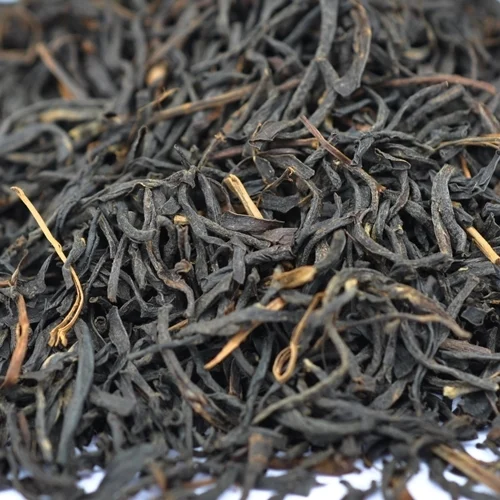
Premium and export orthodox tea is judged on appearance, liquor, aroma and keeping quality. The dryer is where fermented leaf becomes a stable, shippable product. If residual moisture is uneven, if tips dull, or if case-hardening hides a wet core, the best withering and rolling work is wasted at the point of sale. This guide […]
ECP Dryer vs Combination Fluid Bed Dryer for Orthodox Tea: Leaf Quality & Moisture Control
Orthodox tea factories still rely heavily on ECP (Endless Chain Pressure) dryers, while many upgrades evaluate combination fluid-bed / multi-stage dryers. The question is not which name is newer — it is which system protects leaf style, limits case-hardening and delivers uniform residual moisture for your grade mix and climate. This guide compares the two […]
Hybrid Multi-Stage Drying Systems: Combining Spray, Fluid Bed & Belt Dryers
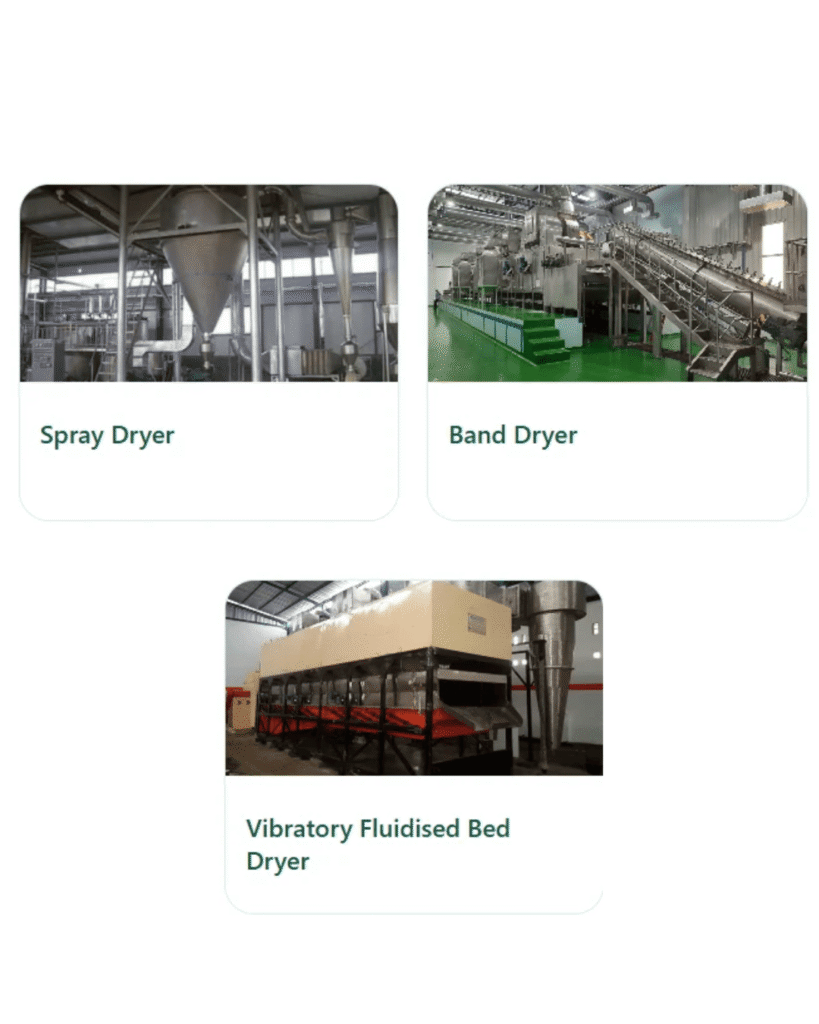
A single dryer is not always enough. High inlet moisture, strict residual-moisture limits, particle morphology requirements and heat sensitivity often push plants toward hybrid multi-stage drying systems — lines that combine two or more principles such as spray + fluid bed, spray + belt, or fluid bed + belt in sequence. This guide explains when […]
Energy-Efficient & Sustainable Industrial Dryers for India’s Green Manufacturing Goals
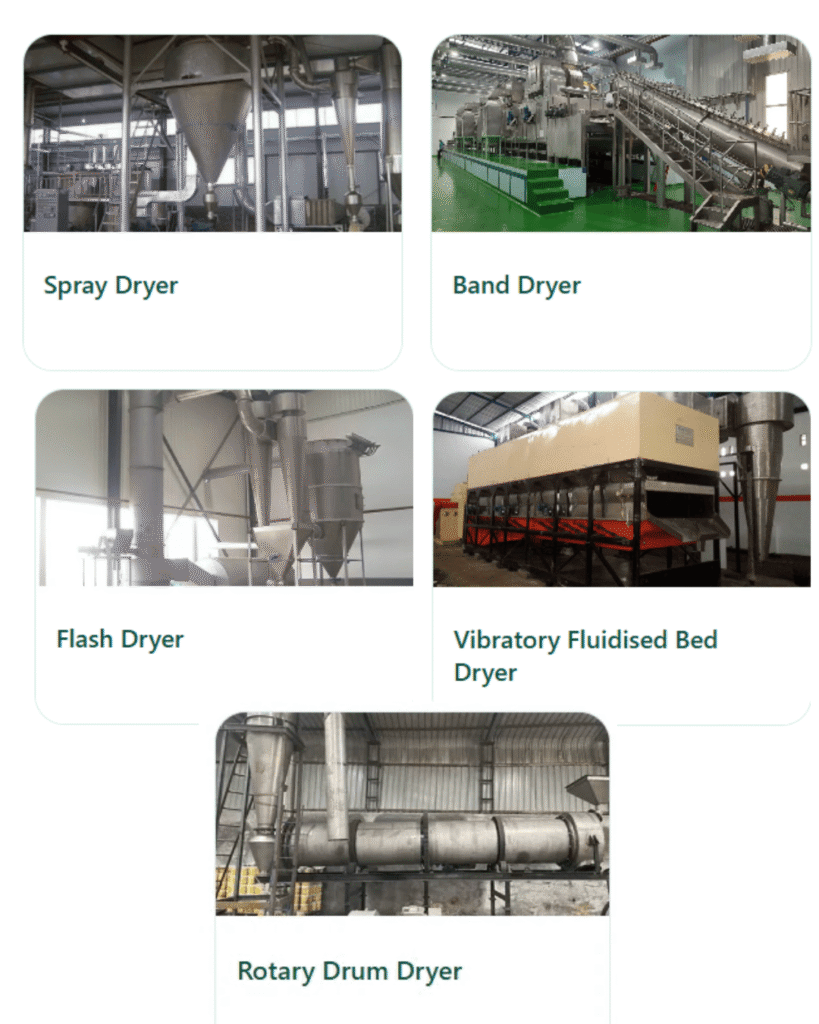
Industrial drying is energy-intensive. For many plants in food, chemical, mineral, sludge and agro processing, the dryer is among the largest consumers of fuel or steam. Improving dryer efficiency therefore cuts operating cost and supports India’s green manufacturing goals — lower specific energy use, better fuel flexibility and reduced emissions intensity per tonne of product. […]