Organic Waste Drying
Industrial Organic Waste Drying Systems
GTI Dryers designs and manufactures advanced Organic Waste Drying Systems engineered for food processing units, agro-industries, municipal facilities, and waste management plants. These systems efficiently remove moisture from organic waste, reducing volume and converting waste into valuable by-products such as compost, biofuel, or animal feed.
Organic waste is generated from various sources including food processing, agriculture, municipal waste, and industrial operations. This waste typically contains high moisture content, making it difficult to handle, transport, and process efficiently.
GTI organic waste drying systems are designed to process a wide range of materials including:
Food waste and kitchen waste
Agricultural waste
Fruit and vegetable waste
Biomass and biodegradable waste
- Digestate Drying
Slaughterhouse and organic residues
Our advanced drying technologies ensure:
Significant moisture reduction
Volume reduction and waste stabilization
Odour control
Improved material handling
Energy-efficient operation
These systems are widely used in waste management plants, composting facilities, food industries, and agro-processing units.
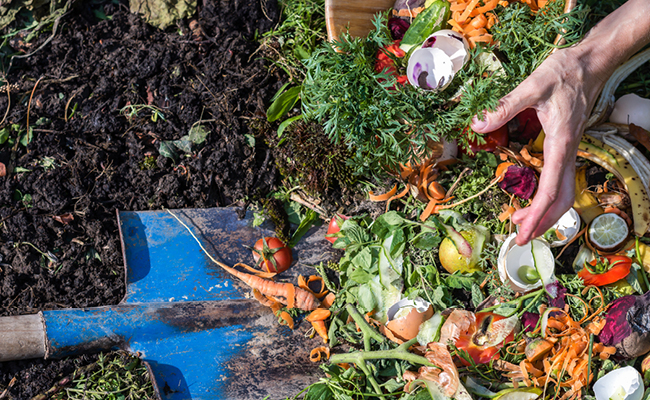
What is Organic Waste Drying?
Organic waste drying is the process of removing moisture from biodegradable waste materials to improve their handling, storage, and reuse potential.
Organic waste typically contains high moisture, which leads to:
Rapid decomposition and odour generation
Increased transportation costs
Storage and handling challenges
Environmental concerns
Drying reduces moisture content and converts waste into a stable form suitable for:
Composting
Biofuel production
Animal feed processing
Land application
Industrial drying systems ensure controlled moisture removal while maintaining safe, hygienic, and eco-friendly processing conditions.
Industrial Dryers Used for Organic Waste Drying
Different industrial drying technologies are selected based on waste type, moisture content, and desired output.
Belt
Dryers
Belt dryers are widely used for continuous organic waste drying.
Waste material is spread over conveyor belts and dried using hot air.
Key advantages:
Continuous operation
Gentle drying
Suitable for large-scale processing
Energy-efficient performance
Rotary Drum
Dryers
Rotary dryers are used for drying large volumes of organic waste.
Material is dried in a rotating drum using hot air.
Advantages include:
High capacity
Robust design
Suitable for mixed organic waste
Paddle
Dryers
Paddle dryers use indirect heating for drying organic waste.
Advantages include:
Efficient heat transfer
Compact design
Suitable for sticky and viscous waste
Low emissions
Fluidised Bed
Dryers
Fluidised bed dryers are used for controlled drying of fine organic materials.
Advantages include:
Uniform drying
Efficient heat transfer
Precise moisture control
Solar Drying Systems
Solar drying systems use renewable solar energy for organic waste drying.
Advantages include:
Low operating cost
Eco-friendly solution
Ideal for rural and municipal applications
Applications of Organic Waste Drying Systems
Industrial organic waste drying systems are widely used across various industries.
Food Processing Industry
Food waste management
By-product utilization
Agriculture Sector
Crop residue drying
Biomass processing
Municipal Waste Management
Organic municipal waste drying
Compost preparation
Bioenergy Industry
Biomass fuel preparation
Waste-to-energy applications
Features of GTI Industrial Organic Waste Dryers
Modern organic waste drying systems provide several advantages.
Key features include:
Significant volume reduction
Reduced disposal and transportation costs
Improved waste handling
Odour control and hygiene
Energy-efficient operation
Sustainable waste management
Resource recovery potential
Energy-Efficient Organic Waste Drying Technology
Energy efficiency is critical in waste processing industries. GTI organic waste drying systems are designed with optimized airflow, heat recovery systems, and advanced drying techniques to reduce energy consumption.
These systems help industries achieve lower operational costs while promoting sustainable and eco-friendly waste management practices.
Different organic waste types require customized drying systems depending on:
Moisture content
Composition and particle size
Processing capacity
End-use requirements
Environmental regulations
GTI engineers design custom organic waste drying systems tailored to specific industrial and municipal needs.
Our services include:
Process design and engineering
Dryer selection and sizing
Plant layout and integration
Equipment manufacturing
Installation and commissioning
Turnkey waste drying solutions
GTI Dryers is a trusted manufacturer of industrial drying equipment for waste management and environmental applications.
- 40+ years of engineering expertise
- Advanced drying technologies
- Custom-engineered solutions
- High-capacity industrial systems
- Energy-efficient designs
- Global project execution capability
- Complete technical and engineering support
If you are planning to install an organic waste drying system or upgrade your facility, our engineering team can help you select the most suitable drying technology.
We provide:
Process consultation
Dryer selection and sizing
Plant layout engineering
Technical specifications and quotations
Turnkey drying solutions
📩 Email: mktg@gtidryers.com