
How to Choose a Dryer for Extruded Fish and Shrimp Feed: Belt, Fluid Bed or Heat Pump?
An equipment-selection guide for drying extruded and pelleted fish and shrimp feed: moisture and water-activity targets, belt vs fluid bed vs heat pump dryers, a worked mass balance, selection criteria and an enquiry checklist.
Rotary Dryer Maintenance Checklist: Tyres, Trunnions, Girth Gear, Seals and Flights
A practical inspection-led maintenance checklist for direct and indirect rotary dryers: daily, monthly, quarterly and annual checks, alignment and float, hot-stop risks, lubrication, tube bundle specifics, cost drivers and critical spares.
Spray vs Drum vs Refractance Window Drying for Fruit Powder: Which Fits Your Product?
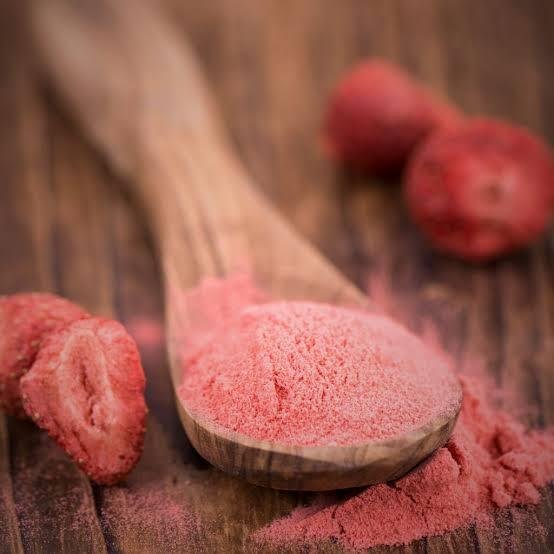
A technically grounded comparison of spray, drum and refractance window drying for fruit powders, using published mango powder research, the role of carriers such as maltodextrin, and a worked mass balance.
Uneven Moisture in Band and Mesh Belt Dryers: A Step-by-Step Troubleshooting Guide
A practical troubleshooting guide for uneven final moisture in band and mesh belt dryers: grid sampling, reading the moisture pattern, airflow and bed-loading checks, zone control, the cost of overdrying, and corrective actions in order of cost.
DDGS Drying in India’s Grain Ethanol Plants: Meeting IS 19532 Moisture Limits Without Heat Damage
How Indian grain-ethanol distilleries dry wet cake and syrup into DDGS that meets the IS 19532:2026 moisture limit, with a worked mass balance including recycle, a tube bundle vs direct rotary comparison and a buyer checklist.
ETP Sludge Dryer Manufacturer | Reduce Volume, Disposal Cost & Handling Risk
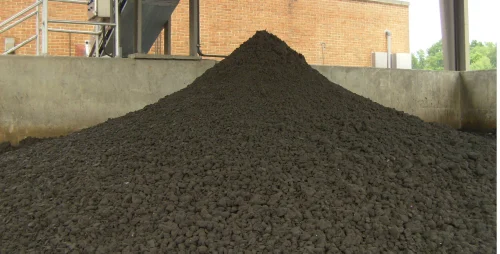
ETP (Effluent Treatment Plant) sludge is one of the costliest residual streams in a factory. After dewatering, cake is still mostly water by weight. Drying cuts volume and transport cost, improves handling, and can support co-processing or further disposal routes — but only if the dryer matches sticky, variable sludge. This page is a buyer […]
Algae Dryer Manufacturer | Microalgae & Seaweed Drying Systems
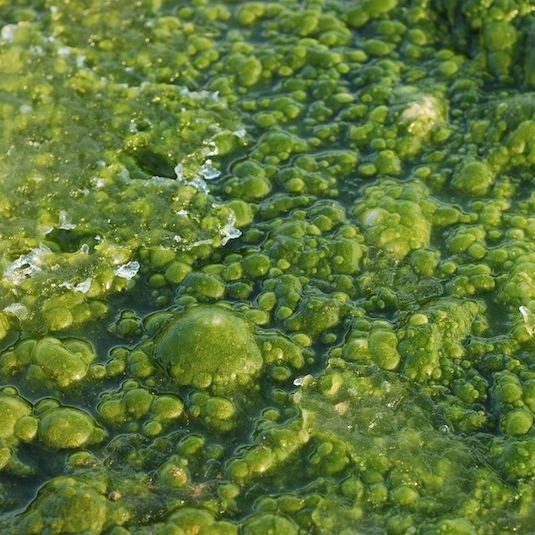
Algae drying turns harvested microalgae or seaweed into stable powder, flakes or chips for food, feed, nutraceuticals, hydrocolloids and biorefinery intermediates. The dryer must remove large amounts of water without destroying heat-sensitive compounds — and without spending energy on water that mechanical dewatering should have removed first. This guide helps buyers evaluate an algae dryer […]
Spirulina Dryer Manufacturer | Gentle Drying for Colour, Protein & Export Quality

Spirulina (Arthrospira) is sold on protein content, colour, odour and safety. The dryer is where wet biomass becomes a stable powder or flakes — and where quality is most often lost if temperature and residence time are wrong. This page is a practical guide for buyers evaluating a spirulina dryer manufacturer: which technologies fit, how […]
Calcium Chloride & Dicalcium Phosphate Dryer Manufacturer | Process Guide
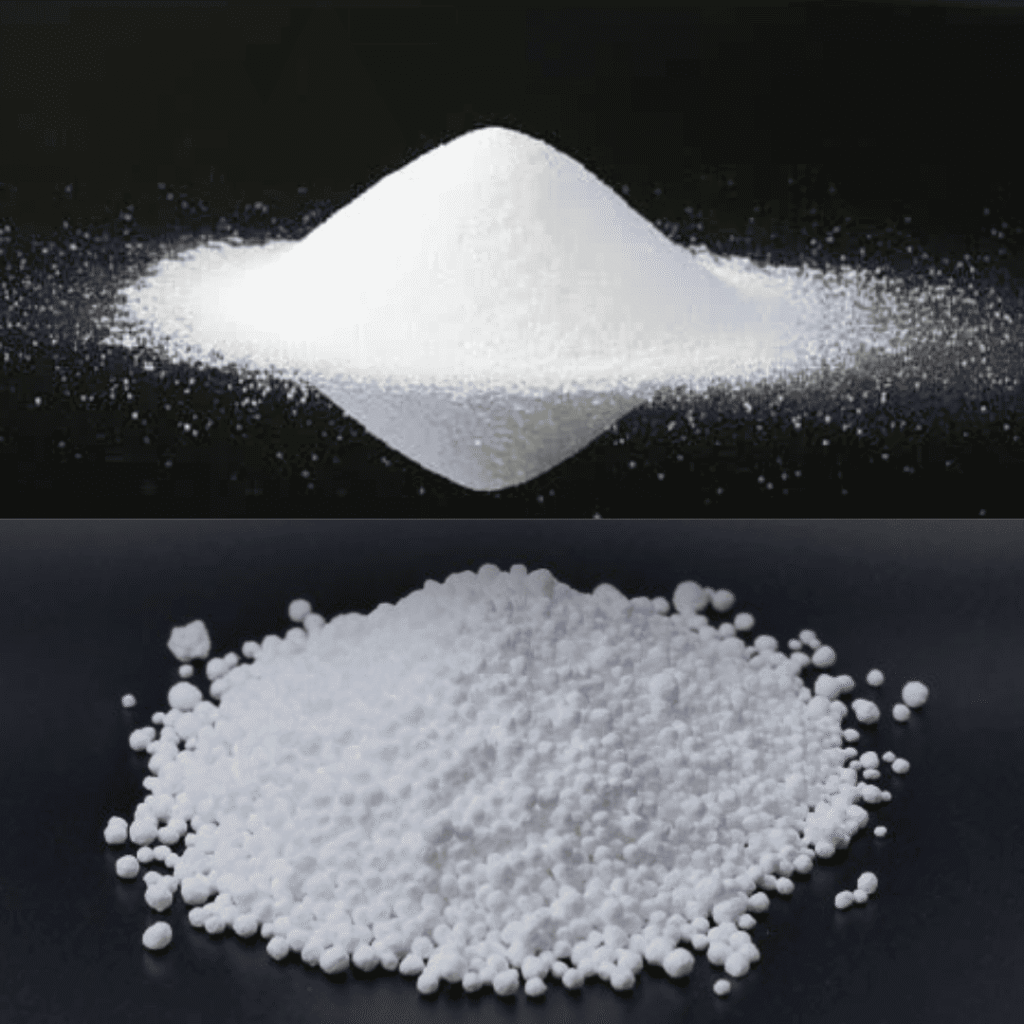
Buyers searching for a calcium chloride dryer manufacturer or a dicalcium phosphate dryer manufacturer are usually solving different process problems with the same question: which continuous dryer will hit moisture specification without destroying product quality or creating chronic downtime? This page separates the two materials, explains the main drying risks, and gives a practical checklist […]
Sulphate of Potash Dryer Manufacturer | SOP / Potassium Sulphate Drying
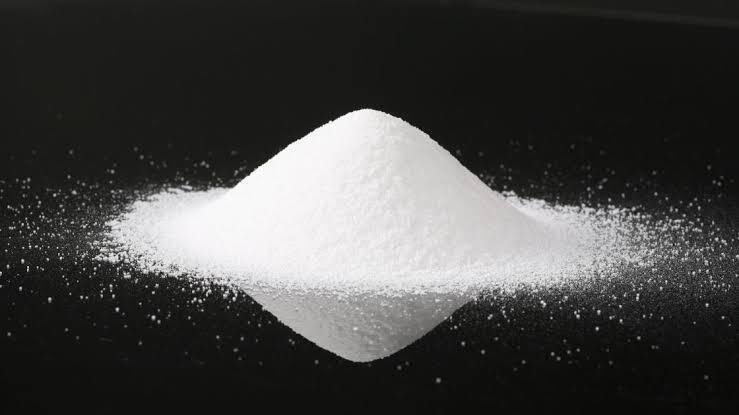
Sulphate of potash (SOP, potassium sulphate, K₂SO₄) is a premium chloride-free potash fertilizer and industrial salt. After crystallisation and solid–liquid separation, wet crystals or centrifuge cake must be dried to a specified residual moisture so the product remains free-flowing for screening, blending and bagging. This page is written for buyers evaluating a sulphate of potash […]