
Fluid Bed Cooler/Conditioner for Granulated Urea & Auxiliary Drying
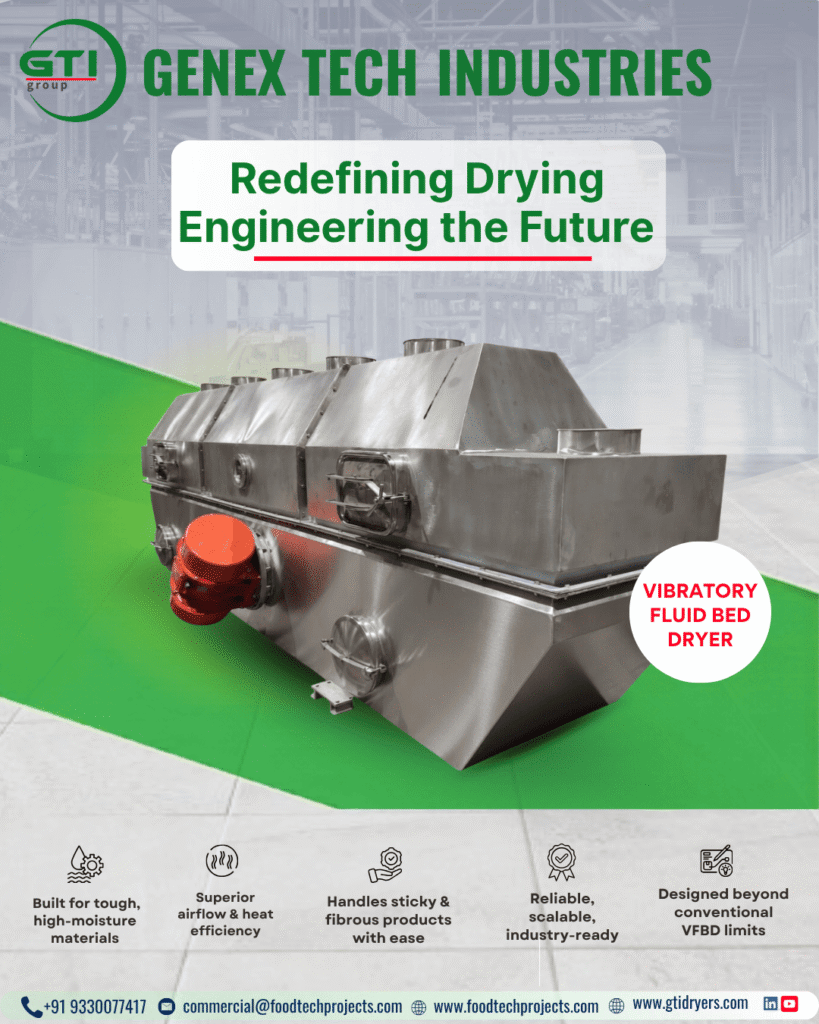
In a granulated urea plant, product quality is not finished at the granulator. Granules are often still warm and may carry residual moisture that causes caking, dusting and handling problems in storage and bagging. A fluid bed cooler/conditioner — sometimes with auxiliary drying — stabilises temperature and moisture before screening, coating and storage. This page […]
Detergent Powder Spray-Drying Tower with Fluid Bed Cooler & Fines Recycle

A modern detergent powder line is more than a spray-drying tower. Powder moisture, bulk density, solubility, dust and packaging behaviour are set by the combined system: If your project scope includes a powder line, specify these blocks together. Buying a tower without after-treatment and recycle logic is a common source of off-spec bulk density, high […]
Zinc Sulphate & Zinc Oxide Dryers | Rotary, Fluid Bed, Flash & Spray
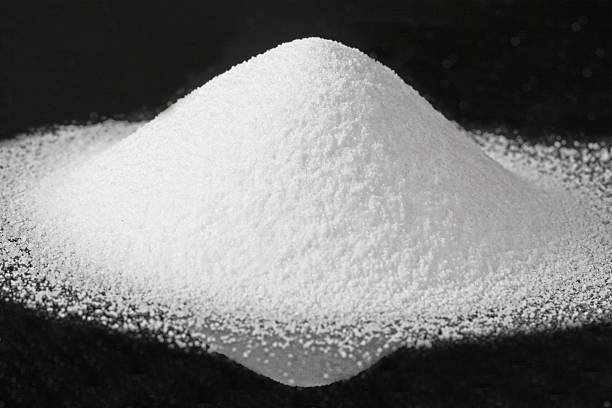
Zinc chemicals are not one drying duty. Zinc sulphate and many zinc derivatives are typically crystalline salts or centrifuge cakes. Fine and pharma-grade zinc oxide often comes from wet or precipitated routes that need careful powder drying with tight purity and particle control. This guide helps buyers choose between rotary or fluid bed dryers for […]
Fluid Bed vs Vacuum Paddle & Rotary Cone Dryers for Crystalline Xanthine
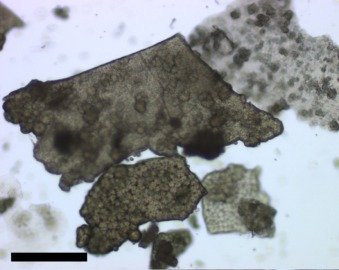
Crystalline xanthine and related fine-chemical solids are typically dried after crystallisation and solid–liquid separation. The dryer must hit residual moisture (and residual solvent, where relevant) without degrading the crystal, creating excess fines or violating temperature limits. Buyers usually shortlist: This guide explains when each fits crystalline xanthine-type duties and how to specify the system. Quick […]
Spray Dryers for LFP Slurry & Spin-Flash / Paddle Dryers for Ferric Phosphate Cake
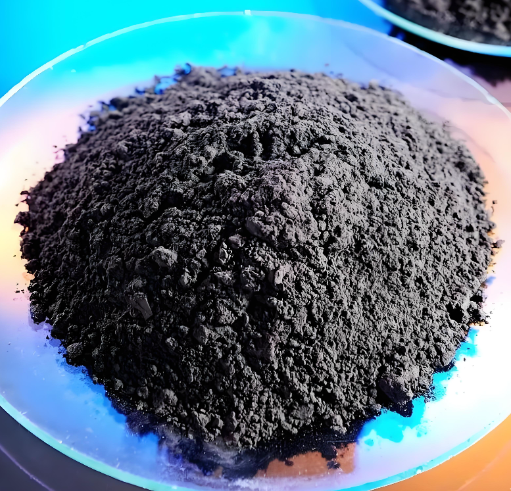
In lithium iron phosphate (LFP) and precursor value chains, drying is not a single unit operation. Plants handle: This guide is written for buyers who must choose the right dryer family, protect purity and residual-moisture specs, and avoid expensive technology mismatches. Quick answer: Use spray drying when the feed is a stable, atomisable slurry and […]
Drying and Calcination in India’s Rare Earth Value Chain: What Equipment Planners Should Know in 2026
India’s REPM scheme and new rare earth corridors put upstream processing on the agenda. This guide maps where drying and calcination sit in the flowsheet, from mineral-sand dryers to precipitate dryers and rotary calciners, with a planning checklist.
Heat Pump Dryer vs Hot-Air Dryer: An Energy and Quality Comparison for Fruits, Vegetables and Herbs
A technical comparison of heat pump and conventional hot-air dryers for fruits, vegetables and herbs: published SMER ranges, why kWh comparisons mislead, a cost-per-kg-of-water break-even rule, quality trade-offs and a decision checklist.
Steam, Thermic Fluid, Direct Gas or Biomass Hot Air? Choosing the Heat Source for an Industrial Dryer
A project-planning guide to choosing a dryer heat source: the fuel-to-dryer heat chain, BEE calorific values, a worked fuel-per-tonne-of-water table for gas, oil, coal and husk, and the safety and utility factors that often decide.
How to Choose a Dryer for Cassava Pulp, Corn Fibre and Potato Pulp from Starch Plants
How starch plants should choose a dryer for cassava pulp, corn fibre and potato pulp: why dewatering comes first, a worked mass balance showing a 60% cut in evaporation, and a comparison of tube bundle, rotary, flash and drum dryers.
Preventing Fires and Dust Explosions in Spray, Fluid Bed and Flash Dryers: An Engineering Checklist
An engineering checklist for preventing fires and dust explosions in spray, fluid bed and flash dryers: dust test data, critical layer thickness, dryer-specific ignition sources, CO detection, venting and a shift-to-shutdown inspection schedule.