
Spirulina (Arthrospira) is sold on protein content, colour, odour and safety. The dryer is where wet biomass becomes a stable powder or flakes — and where quality is most often lost if temperature and residence time are wrong.
This page is a practical guide for buyers evaluating a spirulina dryer manufacturer: which technologies fit, how to protect phycocyanin and protein value, and what to specify before you invest.
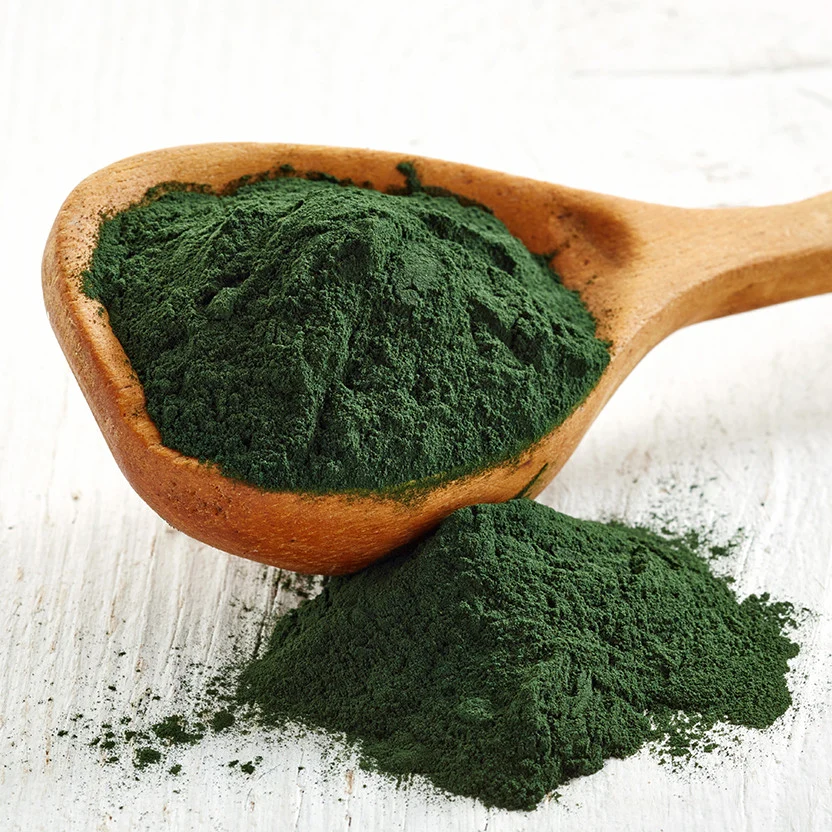
Quick answer: Spirulina must be dried at controlled product temperature to protect pigments and nutrition. Spray drying suits pumpable slurry/biomass concentrates when powder morphology is required; multi-zone belt / thin-layer systems suit pastes and flake-style products at gentle temperatures. Define residual moisture, max product temperature and capacity before comparing suppliers.
1. What Spirulina Drying Must Achieve
| Requirement | Why it matters |
|---|---|
| Target residual moisture | Shelf life, mould risk, powder flow |
| Colour retention (incl. blue-green appearance) | Market grade and price |
| Protein / nutritional quality | Label claims and customer tests |
| Low scorched or burnt notes | Sensory rejection |
| Food-grade hygiene | Nutraceutical and food markets |
| Continuous or campaign capacity | Match harvest / dewatering output |
2. Feed Forms After Harvest
| Feed form | Typical step before drying | Dryer implication |
|---|---|---|
| Dilute culture | Not dried directly | Concentrate / dewater first |
| Biomass slurry / concentrate | After harvesting & washing | Spray drying candidate if pumpable |
| Paste / biomass cake | After filtration / centrifugation | Belt, thin-layer, or dispersion routes |
| Pre-formed thin layer / extrudate | Mechanical forming | Multi-zone belt drying |
The biggest energy mistake is evaporating water that should have been removed by dewatering. Dryer size and fuel/electricity cost scale with inlet moisture.
3. Quality Risks in Spirulina Drying
| Risk | Cause | Prevention direction |
|---|---|---|
| Phycocyanin / colour loss | Excessive product temperature or long hot hold | Lower finish temperature; staged drying; verify with colour/activity tests |
| Protein damage / digestibility loss | Overheating | Controlled thermal profile; avoid “more heat = faster” |
| Burnt / cooked odour | Local hot spots, wall deposits, over-dry fines | Air distribution, cleaning, moisture target discipline |
| High residual moisture variation | Uneven feed thickness or unstable spray | Feed control; zone balancing |
| Contamination | Poor hygiene design | SS contact parts, cleanable layout, SOP |
| Oxidation | Hot product + air exposure | Cool promptly; packaging practice |
Specification rule: Put maximum product temperature (not only air inlet temperature) and critical quality attributes in the RFQ.
4. Dryer Technologies Used for Spirulina
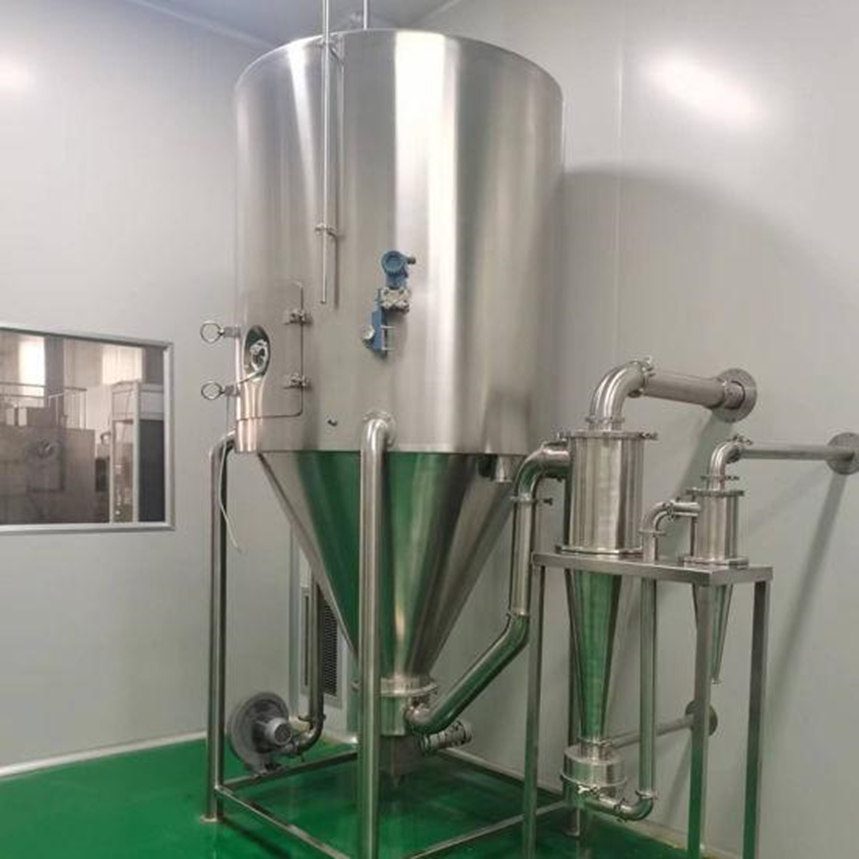
Spray drying
- Best when: Biomass is a stable pumpable slurry and the commercial product is powder
- Strengths: Continuous powder production, scalable
- Watch: Outlet temperature vs colour; feed solids (higher solids → less water to evaporate); deposits; cyclone/bag filter recovery
- Note: Very dilute feed makes spray drying expensive — concentrate first
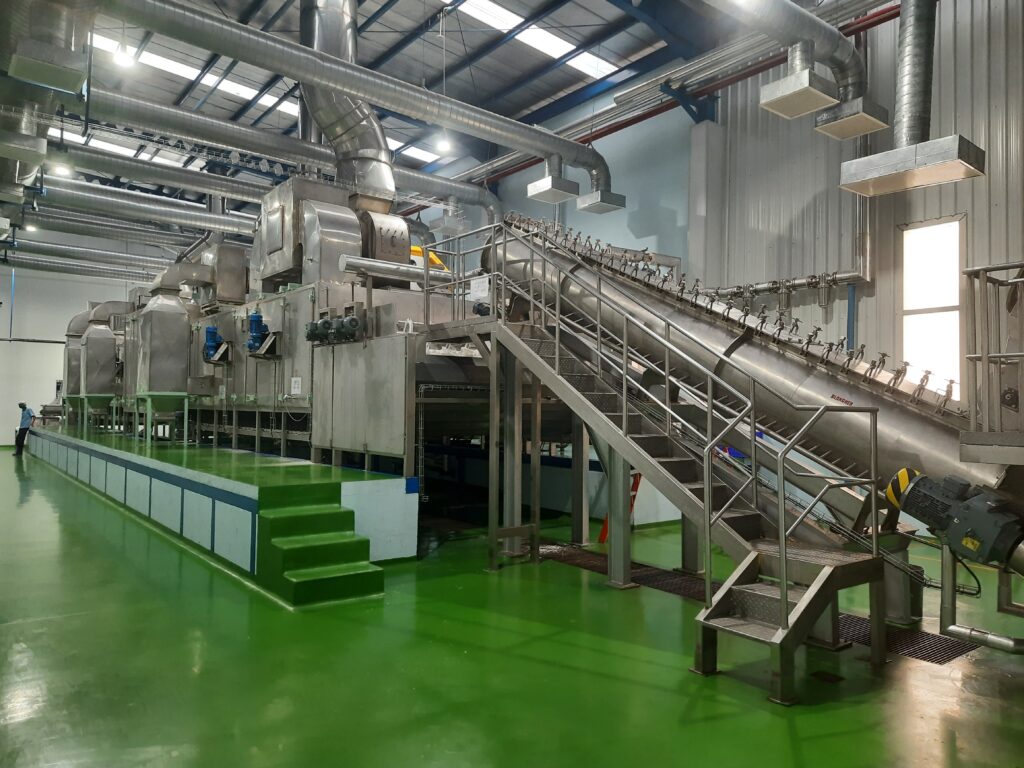
Multi-zone band / mesh-belt dryers
- Best when: Paste or pre-formed layer/flakes need gentle, zoned drying
- Strengths: Shape control, lower mechanical stress, independent zone temperatures
- Watch: Uniform spreading; sanitation; capacity vs belt area
Heat pump / low-temperature assisted drying
- Best when: Quality demands moderate temperatures and energy recovery matters
- Strengths: Efficient moisture removal at limited temperature
- Watch: Capacity ceiling; electricity supply; batch vs continuous configuration
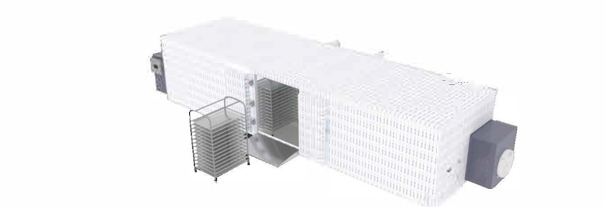
Thin-layer / specialised contact systems (including refractance-window-type concepts)
- Best when: High-value puree-like biomass and colour retention are priorities
- Watch: Layer uniformity, scale-up, film/surface maintenance
Tray / cabinet dryers
- Best when: Small farms, R&D, multi-product low volume
- Limits: Labour, uniformity, not ideal for large continuous plants
Fluid bed is only suitable if the material is already a free-flowing granule; raw spirulina paste generally is not.
5. Spray vs Belt for Spirulina (Buyer View)
| Criterion | Spray dryer | Band / thin-layer dryer |
|---|---|---|
| Feed | Pumpable slurry | Paste / layered biomass |
| Product form | Powder | Flakes / cake that can be milled |
| Thermal control | Outlet temp critical | Multi-zone finish control |
| Energy structure | High if feed is dilute | Scales with water load and air system |
| Typical buyer driver | Instant powder line | Colour-focused flake/powder after milling |
Many projects choose based on marketing form (powder vs flake) and how wet the biomass is after dewatering.
6. Residual Moisture and Storage
Dried spirulina is still sensitive to humidity. Target residual moisture should come from:
- Your buyer specification
- Packaging barrier
- Climate of storage and export route
Over-drying to “be safe” can increase thermal damage and dust without improving stability once packaging fails.
7. RFQ Checklist for Spirulina Dryer Manufacturers
- Biomass form — slurry solids %, paste, cake
- Upstream dewatering method and performance
- Target residual moisture
- Maximum product temperature and critical quality tests (colour, protein, phycocyanin if used)
- Required product form — powder, flakes, milled powder
- Capacity — kg dry product/h or wet feed/h (state basis)
- Food-grade material requirements (SS304/SS316, etc.)
- Heat source — electric, steam, gas, heat pump
- Cleaning / CIP expectations
- Packaging plan after dryer
8. How to Evaluate a Spirulina Dryer Manufacturer
| Check | Positive signal |
|---|---|
| Asks about colour/protein limits | Understands nutraceutical value |
| Challenges dilute spray feed | Energy-aware process thinking |
| Offers staged temperature control | Quality protection |
| Hygiene design detail | Food market readiness |
| Trial / sample drying path | Proof on your strain and process |
| Clear moisture basis for capacity | Comparable quotes |
Red flags: High-temperature “agricultural dryer” quoted without product temperature limits; capacity claims with no inlet solids; no hygiene discussion.
9. Energy and Cost Levers
- Maximise mechanical dewatering before thermal drying
- Raise feed solids to spray dryers within atomisation limits
- Enforce residual-moisture targets
- Use multi-zone or low-temperature finish instead of a single harsh setpoint
- Recover heat only where hygiene and fouling allow
10. How GTI Dryers Supports Spirulina Projects
GTI Dryers designs continuous drying systems used for food and heat-sensitive agro materials, including multi-zone band/mesh-belt dryers, spray-drying related solutions, and low-temperature concepts where appropriate.
For spirulina we focus on:
- Feed form after dewatering
- Product temperature and quality attributes
- Matching spray vs belt vs low-temp routes to the commercial product
- Hygienic construction and cleanable layout expectations
- Process-data-based proposals — not generic algae claims
Geographic Note
Spirulina is produced in India, China, Southeast Asia, Africa and other regions. Ambient humidity after drying and cold-chain-free export packing make residual moisture and barrier packaging critical. Local manufacturers can support installation and service; quality validation should use your biomass, not only nameplate capacity.
Frequently Asked Questions
What is the best dryer for spirulina?
The one that matches your feed form and quality limits: spray for pumpable slurry-to-powder; belt/thin-layer for pastes and gentle flake drying; heat-pump assisted systems when low temperature is mandatory and capacity fits.
At what temperature should spirulina be dried?
Use a maximum product temperature validated against colour and nutrient tests for your product. Do not rely on a single universal air-temperature number from marketing literature.
Can I dry spirulina in a normal food belt dryer?
Often yes if zones allow gentle finish temperatures, hygiene is adequate and spreading is uniform — confirm with trials on your biomass.
Why is my spirulina powder dull or brownish?
Common causes include excessive thermal history, long hot residence after dry, or poor feed quality upstream of the dryer.
What should I send GTI?
Feed form and solids/moisture, target residual moisture, capacity, max product temperature, product form (powder/flake) and heat source.
Next Step
If you are selecting a spirulina dryer manufacturer for a new farm or an upgrade, share your dewatered biomass data and quality targets. GTI will help map spray, belt or low-temperature drying options to your capacity and export-grade requirements.
Request a spirulina drying assessment with your process data.
Contact the GTI Technical Team:
Website: gtidryers.com
Email: mktg@gtidryers.com
Phone / WhatsApp: +91 9330077417