
Algae drying turns harvested microalgae or seaweed into stable powder, flakes or chips for food, feed, nutraceuticals, hydrocolloids and biorefinery intermediates. The dryer must remove large amounts of water without destroying heat-sensitive compounds — and without spending energy on water that mechanical dewatering should have removed first.
This guide helps buyers evaluate an algae dryer manufacturer using process logic: biomass type, feed form, quality limits and technology fit.
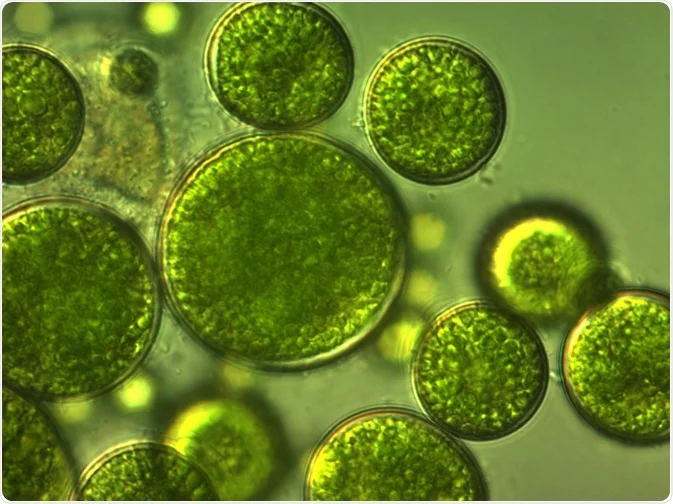
Quick answer: Select the dryer from feed form after dewatering. Pumpable microalgae concentrates often suit spray drying; pastes and thin layers suit multi-zone belt / low-temperature systems; seaweed pieces/strips suit band dryers. Always define residual moisture and maximum product temperature against your quality tests.
1. Microalgae vs Seaweed — Different Drying Problems
| Type | Typical harvest form | Main drying challenges |
|---|---|---|
| Microalgae (e.g. spirulina, chlorella, other strains) | Dilute culture → concentrate / paste | High water load, pigment/protein sensitivity, powder hygiene |
| Macroalgae / seaweed | Fronds, strips, chips after cutting | Piece thickness, salt content, colour, even drying of layered beds |
A manufacturer who quotes one “algae dryer” without asking which biomass you have is not designing your process.
2. The Dewatering-First Rule
Thermal dryers evaporate water — the most expensive step.
| Step | Purpose |
|---|---|
| Harvest / separation | Recover biomass from culture or seawater |
| Washing (as required) | Reduce salts/impurities |
| Mechanical dewatering | Filtration, centrifugation, pressing — cut moisture before heat |
| Thermal drying | Reach storage-stable residual moisture |
Buyer metric: kg water evaporated per kg dry product. Improving dewatering often saves more cost than buying a slightly more efficient dryer.
3. Quality Risks in Algae Drying
| Risk | Typical cause | Control direction |
|---|---|---|
| Pigment loss (e.g. phycocyanin, carotenoids) | High product temperature, long hot residence | Staged/low-temp profiles; validate with assays |
| Protein / functional damage | Overheating | Max product temperature in RFQ |
| Off-odours / scorched notes | Hot spots, deposits, over-dry fines | Cleaning, airflow balance, moisture targets |
| Salt surface issues (seaweed) | Incomplete wash; migration during drying | Wash control; moderate profiles |
| Moisture variation | Uneven layer or unstable spray | Feed uniformity; zone control |
| Rehydration / mould in storage | High residual moisture or poor packing | Spec moisture + barrier packaging |
4. Dryer Technologies for Algae Biomass
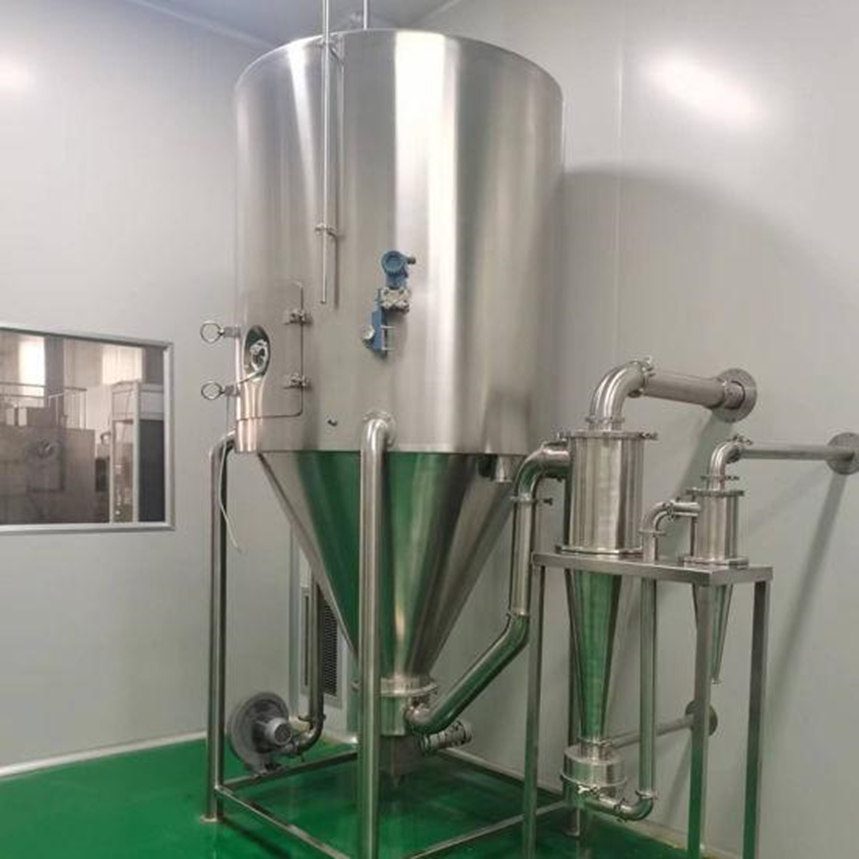
Spray dryers
- Fit: Pumpable microalgae slurry/concentrate → powder
- Strengths: Continuous powder, scalable
- Limits: Cost rises sharply if solids are low; outlet temperature must protect quality
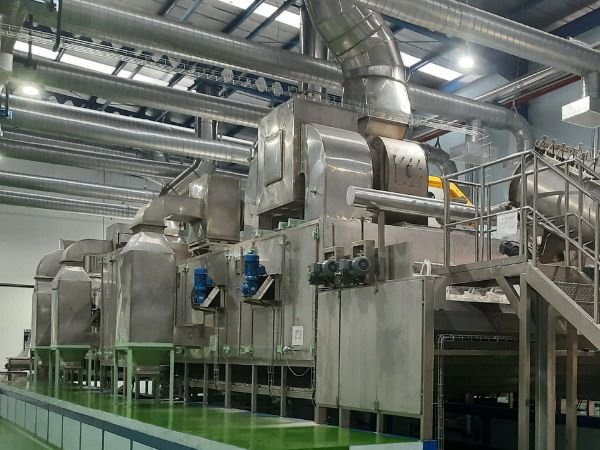
Multi-zone band / mesh-belt dryers
- Fit: Pastes, pre-formed layers, seaweed pieces/chips, flake-style products
- Strengths: Gentle handling, independent zone temperatures, continuous industrial capacity
- Limits: Needs even spreading and permeable beds
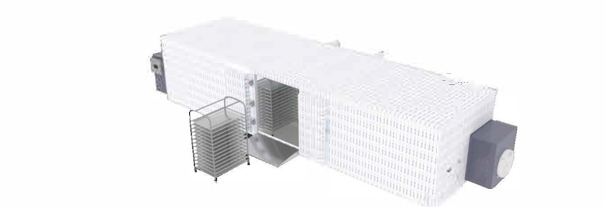
Heat pump / low-temperature dryers
- Fit: High-value, heat-sensitive biomass at moderate capacity
- Strengths: Efficient moisture removal at limited temperature
- Limits: Capacity and temperature ceiling; power availability
Thin-layer / specialised contact systems
- Fit: High-value purees and colour-critical products
- Limits: Layer uniformity and scale-up discipline
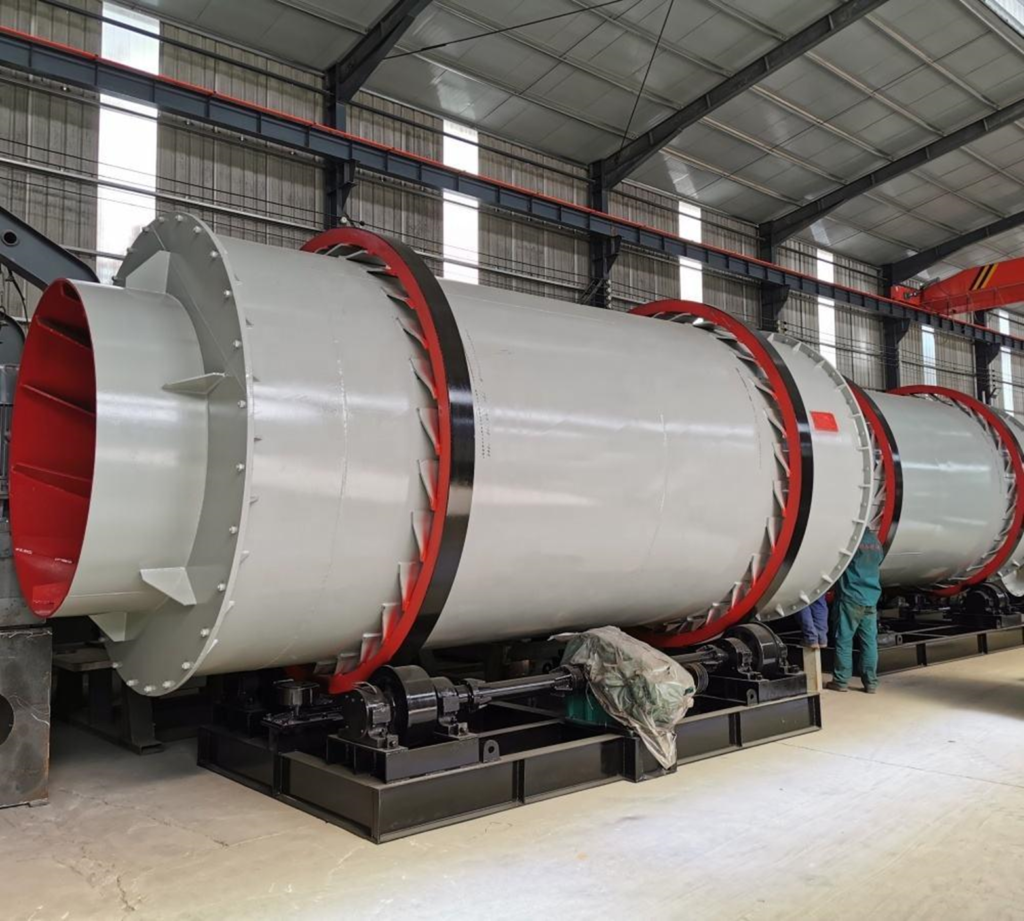
Rotary dryers
- Fit: More robust seaweed or lower-sensitivity bulk biomass
- Limits: Attrition and temperature control for premium food/nutraceutical grades
Tray / cabinet systems
- Fit: Pilot plants, small farms, multi-product R&D
- Limits: Labour and uniformity at scale
5. Selection Matrix
| Your situation | First technology to evaluate |
|---|---|
| Microalgae concentrate, powder product | Spray dryer (after maximising solids) |
| Microalgae paste, colour-critical flakes | Multi-zone belt or low-temp thin-layer |
| Seaweed strips / chips for food | Band dryer with zoned temperatures |
| Small seasonal volume | Tray/cabinet or small belt |
| Highest thermal sensitivity, premium price | Heat pump / vacuum or specialised low-temp routes |
6. Residual Moisture, Cooling and Packaging
Dried algae remain hygroscopic to varying degrees. Stability depends on:
- Residual moisture target (from your buyer/lab method)
- Cooling before packing
- Barrier packaging and storage humidity
Over-drying does not fix poor packaging — it only adds thermal damage and energy cost.
7. RFQ Checklist for Algae Dryer Manufacturers
- Algae type — microalgae strain or seaweed species
- Feed form after dewatering — slurry solids %, paste, pieces
- Inlet moisture / solids and target residual moisture
- Maximum product temperature and critical assays (colour, protein, actives)
- Product form — powder, flakes, chips
- Capacity (wet or dry basis — state which)
- Salt content / wash requirements (especially seaweed)
- Food-grade materials and cleaning method
- Heat source — electric, steam, gas, heat pump
- Site utilities and hygiene zoning
8. How to Evaluate Manufacturers
| Check | Positive signal |
|---|---|
| Separates microalgae vs seaweed design | Real process understanding |
| Insists on dewatering data | Energy-literate engineering |
| Discusses product temperature, not only air temperature | Quality protection |
| Hygienic design detail | Food/nutraceutical readiness |
| Trial on your biomass | Reduces scale-up risk |
| Capacity tied to moisture/solids | Comparable quotations |
Red flags: One agricultural rotary quoted for premium spirulina powder; no hygiene discussion; capacity without solids basis.
9. Energy Efficiency Without Quality Loss
- Dewater first
- Raise slurry solids within process limits before spray drying
- Use multi-zone finish temperatures instead of one harsh setpoint
- Control residual moisture to specification
- Maintain clean heat exchangers and balanced airflow
- Consider heat pump assistance only inside suitable temperature/capacity windows
10. How GTI Dryers Supports Algae Projects
GTI Dryers designs continuous drying systems for food and heat-sensitive agro biomass, including multi-zone band/mesh-belt dryers, spray-related solutions, and low-temperature concepts where process data support them.
For algae applications we:
- Map microalgae vs seaweed feed forms to technology
- Prioritise product temperature and residual-moisture discipline
- Align hygiene construction with food/nutraceutical use
- Propose assumption-based systems from your harvest and dewatering data
Geographic Note
Algae production is expanding in India, Southeast Asia, China, Europe and coastal regions worldwide. Climate affects both culture and post-drying storage. Local manufacturing and service support reduce downtime during harvest peaks; export buyers still require documented residual moisture and food-safety practices.
Frequently Asked Questions
What is the best dryer for algae?
The best dryer matches your biomass type and feed form: spray for pumpable microalgae concentrates; belt for pastes and seaweed pieces; low-temperature systems when quality limits demand them.
Can spirulina and seaweed use the same dryer?
Only if feed form and temperature limits truly align. Most factories specify different configurations.
Why is algae drying so energy intensive?
Because harvested biomass is mostly water. Mechanical dewatering quality dominates energy cost.
How do we protect colour during drying?
Limit product temperature and hot residence time, use staged drying, and verify with colour or pigment assays on trial product.
What should I send GTI?
Algae type, feed form and solids/moisture, target residual moisture, capacity, max product temperature and product form.
Next Step
If you need an algae dryer manufacturer for microalgae or seaweed, share your post-harvest and dewatering data. GTI will recommend a spray, belt or low-temperature drying approach suited to your quality and capacity goals.
Request an algae drying assessment with your process data.
Contact the GTI Technical Team:
Website: gtidryers.com
Email: mktg@gtidryers.com
Phone / WhatsApp: +91 9330077417