
Soda ash (sodium carbonate, Na₂CO₃) is produced as light ash or dense ash for glass, detergents, chemicals and other industries. After crystallisation and solid–liquid separation, the wet solid must be dried to a specified residual moisture without creating excess dust, lumps or off-spec bulk density.
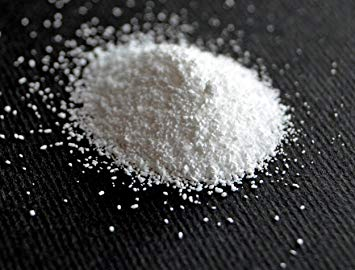
This page helps buyers evaluate a soda ash dryer manufacturer: what the process requires, which dryer types fit, and what to check before ordering.
Quick answer: Most industrial soda ash drying duties use continuous rotary dryers on centrifuge or filter cake, sized on evaporation load at stated inlet and outlet moisture. Light ash needs careful dust control; dense ash needs stable temperature and residence time for consistent density and moisture. Define product grade and moisture target before comparing quotations.
1. What Soda Ash Dryers Must Achieve
| Requirement | Why it matters |
|---|---|
| Target residual moisture | Storage, handling, customer specs, caking risk |
| Stable bulk density | Especially for dense ash grades sold by volume/weight behaviour |
| Particle integrity | Limit excessive fines and dust |
| Continuous capacity | Match crystalliser / centrifuge output including peaks |
| Energy discipline | Drying is a major utility consumer in the soda ash train |
| Emission control | Fine soda ash dust needs proper separation |
2. Feed Forms in Soda Ash Plants
| Feed | Typical source | Drying notes |
|---|---|---|
| Centrifuge cake | Monohydrate or related process solids | Common rotary dryer feed; moisture varies with machine performance |
| Filter cake | Alternative dewatering | May be wetter or stickier — confirm handling |
| Hydrated solids | Process-dependent | Free moisture + hydrate water — target product form must be clear |
| Damp powder | Partial drying upstream | Finish drying / conditioning only |
Always separate process water from any water of crystallisation goals. The dryer RFQ should state the product identity (e.g. anhydrous dense ash) and analytical residual moisture method.
3. Light Ash vs Dense Ash — Why the Dryer Matters
| Grade | Handling implication for drying |
|---|---|
| Light soda ash | Lower bulk density, more dusty, sensitive to over-attrition and air velocity |
| Dense soda ash | Higher density grades used widely in glass; moisture and temperature history affect consistency |
Some density development is process-wide (not only the dryer). Still, dryer temperature, residence time and mechanical action influence final handling properties and fines.
4. Preferred Dryer Technologies
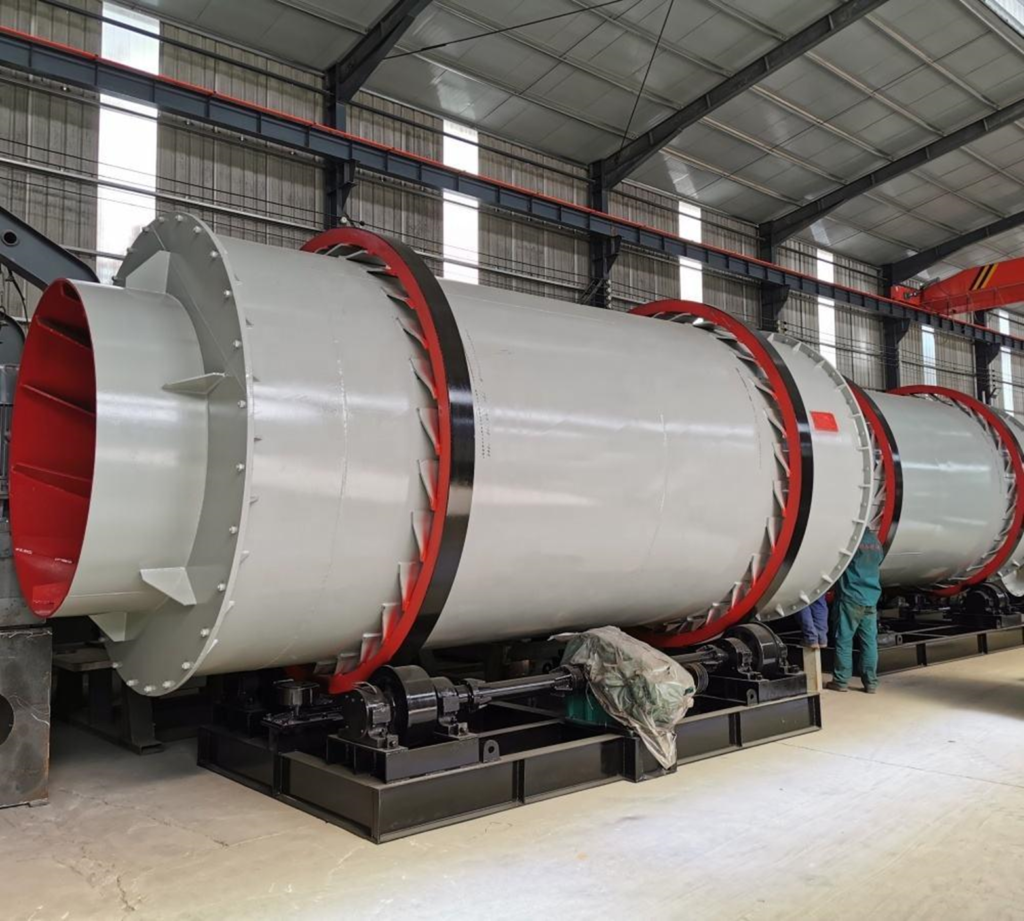
Rotary dryers (most common industrial choice)
- Why they fit: High continuous throughput, robust with bulk inorganic solids, proven on soda ash trains worldwide
- Design focus: Flight arrangement, co-current vs counter-current, seal quality, dust pickup, discharge temperature
- Direct vs indirect: Direct rotary is common where product purity allows contact with process gas; indirect when gas contact must be limited
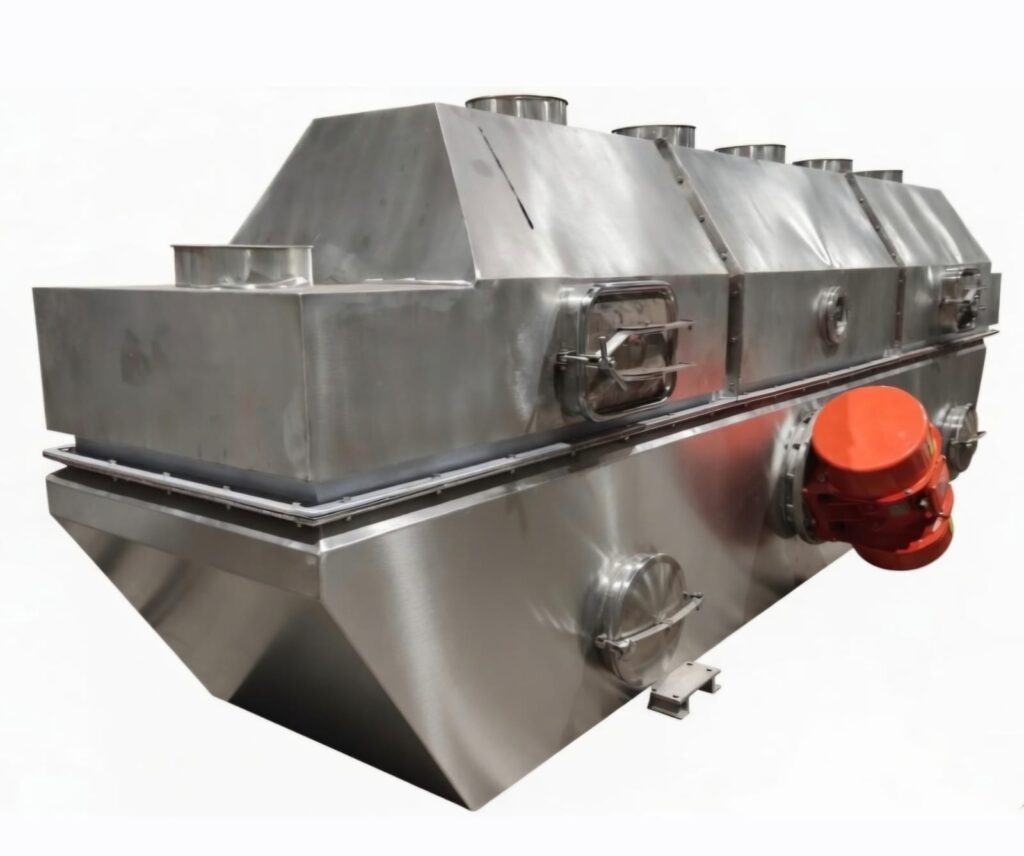
Fluid bed dryers
- Why consider: Good temperature uniformity for free-flowing particles
- Limits: Feed must fluidise; wet sticky cake may need back-mix or pre-conditioning
Other options (situational)
- Flash-type systems: For more dispersible damp solids after evaluation
- Contact dryers: Special cases, lower tonnage or specific constraints
For classic high-tonnage soda ash cake, rotary remains the default shortlist item; alternatives must beat it on a stated process constraint.
5. Process Problems and Practical Fixes
| Problem | Likely cause | Direction |
|---|---|---|
| Wet discharge / high residual moisture | Undersized evaporation, short residence, wetter cake than design | Recalculate load; check centrifuge performance |
| Lumping / discharge blockage | Sticky intermediate moisture, poor flights, cold spots | Temperature profile, flight design, feed stability |
| Excess dust and losses | High gas velocity, over-drying, worn internals | Velocity and seal review; bag filter capacity |
| Variable bulk density | Unstable feed moisture or temperature history | Stabilise upstream; tighten dryer control |
| High fuel use | Over-drying, leakage, excess air | Moisture target discipline; maintenance of seals |
| Corrosion / scaling | Process liquors, impurities, wet–dry zones | Materials and cleaning access |
6. How to Size the Duty (Buyer Logic)
Evaporation load drives dryer size:
W=F×100−MfMi−Mf
- W = kg water/h removed
- F = kg/h wet feed
- Mi = inlet moisture % (wet basis)
- Mf = target outlet moisture %
Use peak cake rate and peak moisture from the centrifuge, not only averages. State whether capacity is on wet cake or dry product basis.
7. RFQ Checklist for Soda Ash Dryer Manufacturers
- Product grade — light / dense / specialty
- Feed form — centrifuge cake, filter cake, moisture range
- Target residual moisture and test method
- Capacity — continuous and peak (basis stated)
- Particle size and bulk density targets
- Heat source — gas, coal, steam, hot air generator
- Direct vs indirect preference and purity constraints
- Dust emission limits and bag filter expectations
- Layout limits and integration with cooler / screening / conveying
- Materials of construction for process contact
8. Evaluating a Soda Ash Dryer Manufacturer
| Check | Good signal |
|---|---|
| Asks for moisture in/out and grade | Process-led design |
| Explains rotary configuration for your duty | Not a one-drawing-fits-all |
| Includes dust separation in the discussion | Operable plant, not only a drum |
| Documents assumptions on capacity | Comparable bids |
| References inorganic salt / soda-type duties | Relevant experience |
| Commissioning and spare parts plan | Continuous plant reality |
Red flags: Quote without moisture basis; ignores light-ash dust behaviour; no discussion of seals, flights or exhaust cleaning.
9. Energy and Operating Cost Levers
- Hold residual moisture to specification — do not over-dry
- Maintain centrifuge performance (every % moisture in cake is dryer fuel)
- Control excess air and leakage at seals
- Keep flights and discharge free of buildup
- Consider heat recovery only where gas cleanliness and economics allow
10. How GTI Dryers Supports Soda Ash Drying Projects
GTI Dryers designs and manufactures continuous industrial dryers, including rotary, fluid bed and related systems for inorganic chemicals and bulk solids.
For soda ash applications we:
- Size from evaporation load and stated moistures
- Select rotary or alternative technology from feed behaviour and grade
- Address dust recovery and integration with upstream dewatering
- Provide clear scope and assumptions for buyer comparison
Geographic Note
Soda ash plants operate in many regions with different fuel mixes and emission rules. Rotary drying practice is global; local fabrication in India supports domestic projects and export equipment supply. Always recalculate capacity with local cake moisture and ambient conditions.
Frequently Asked Questions
What dryer is most used for soda ash?
Continuous rotary dryers are the standard industrial choice for wet soda ash cake at scale.
Can fluid bed dryers be used?
Yes when the solid fluidises and capacity/economics fit. Wet sticky cake may need conditioning.
What moisture should dried soda ash have?
Follow your product specification and customer requirements. Put the numeric target and method in the RFQ.
Why is my dryer making too much dust?
High gas velocity, over-drying, attrition and undersized powder separation are common causes.
What data should I send GTI?
Grade (light/dense), feed moisture range, target moisture, capacity, heat source and dust limits.
Next Step
If you need a soda ash dryer manufacturer for a new line or a replacement, share cake moisture, product grade and capacity. GTI will propose a rotary or alternative continuous drying solution based on your process data.
Request a soda ash drying assessment with your process data.
Contact the GTI Technical Team:
Website: gtidryers.com
Email: mktg@gtidryers.com
Phone / WhatsApp: +91 9330077417