
Magnesium carbonate (MgCO₃) and related basic carbonates / hydromagnesite-type products are widely produced by precipitation and filtration. The dryer must remove water without destroying the carbonate (unless calcination to oxide is the real goal), handle sticky or light dusty solids, and meet residual-moisture and bulk-density targets for downstream use.
This page is a practical guide for buyers evaluating a magnesium carbonate dryer manufacturer: what drives equipment choice, which technologies fit which feeds, and what to specify before you request quotations.
Quick answer: Match the dryer to feed form first. Wet filter cake often suits spin-flash / mechanical dispersion or carefully designed contact systems; free-flowing granules may suit fluid bed; robust bulk solids may suit rotary. Set a clear maximum product temperature so drying does not unintentionally start calcination. Control dust for light “light magnesium carbonate” grades.
1. Know Your Product and Your Goal
| Product intent | What the dryer must do |
|---|---|
| Dry magnesium carbonate / basic carbonate | Remove free moisture (and sometimes hydrate water) while keeping carbonate chemistry |
| Light, high-surface-area grades | Preserve structure; manage very low bulk density and dust |
| Feed to MgO calciner | Partial drying only — residual moisture and particle form set for the kiln |
| Pharmaceutical / food / specialty grades | Moisture, purity, colour, and hygienic contact materials |
“Magnesium carbonate dryer” is not one machine. Target residual moisture, max product temperature, and feed form define the system.
2. Feed Forms You Will Actually Dry
| Feed form | Typical origin | Drying challenge |
|---|---|---|
| Filter cake / paste | Precipitation + filtration | Stickiness, high moisture, poor permeability |
| Washed cake | After impurity wash | Variable moisture, residual soluble salts |
| Granulated / extruded cake | Pre-formed for drying | Needs gentle or staged drying |
| Powder (already dry-ish) | Milled or prior drying | Dust, re-wetting, residual moisture trim |
| Slurry | If not filtered | Usually dewater first; spray only if process requires powder from liquid |
Avoid re-slurrying a filter cake only to spray-dry it unless particle morphology from spray drying is required — you pay to evaporate water you already filtered.
3. Temperature: Drying vs Calcination
Magnesium carbonate materials can lose CO₂ at elevated temperature (calcination toward MgO), with behaviour depending on compound form (true carbonate vs basic carbonate vs hydrate), particle size and gas atmosphere.
Buyer rule:
State whether the product must remain carbonate or is only being dried ahead of a separate calciner.
- Remain carbonate: enforce a conservative maximum product temperature and residence time; validate with lab TGA/quality tests.
- Pre-calciner drying: optimise moisture for safe, efficient kiln feed — not maximum dryness at any temperature.
Do not copy a temperature from another mineral dryer without checking your grade.
4. Technology Options for Magnesium Carbonate
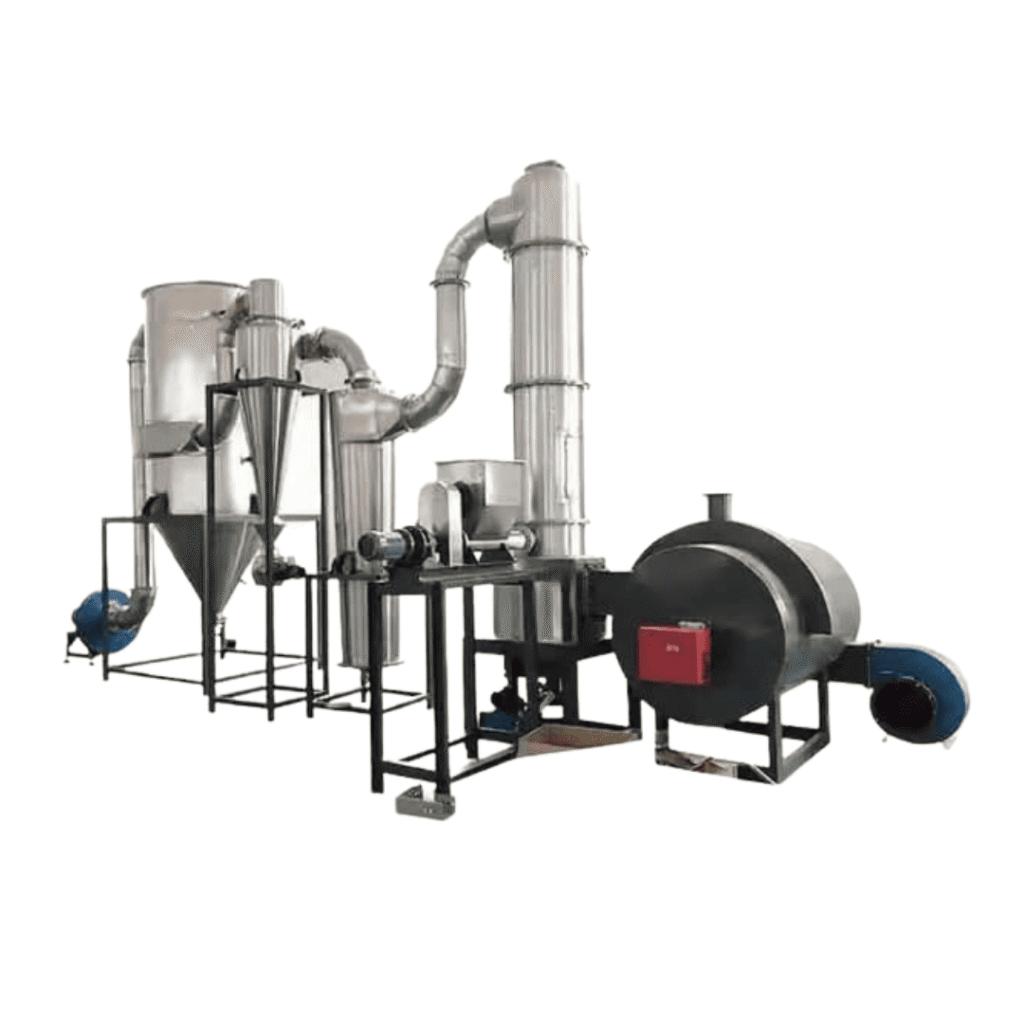
Spin-flash / mechanical dispersion dryers
- Best when: Wet filter cake or paste must become powder without re-slurry
- Strengths: Dispersion of sticky cake, short residence, continuous operation
- Watch: Temperature control, abrasion, fine dust recovery
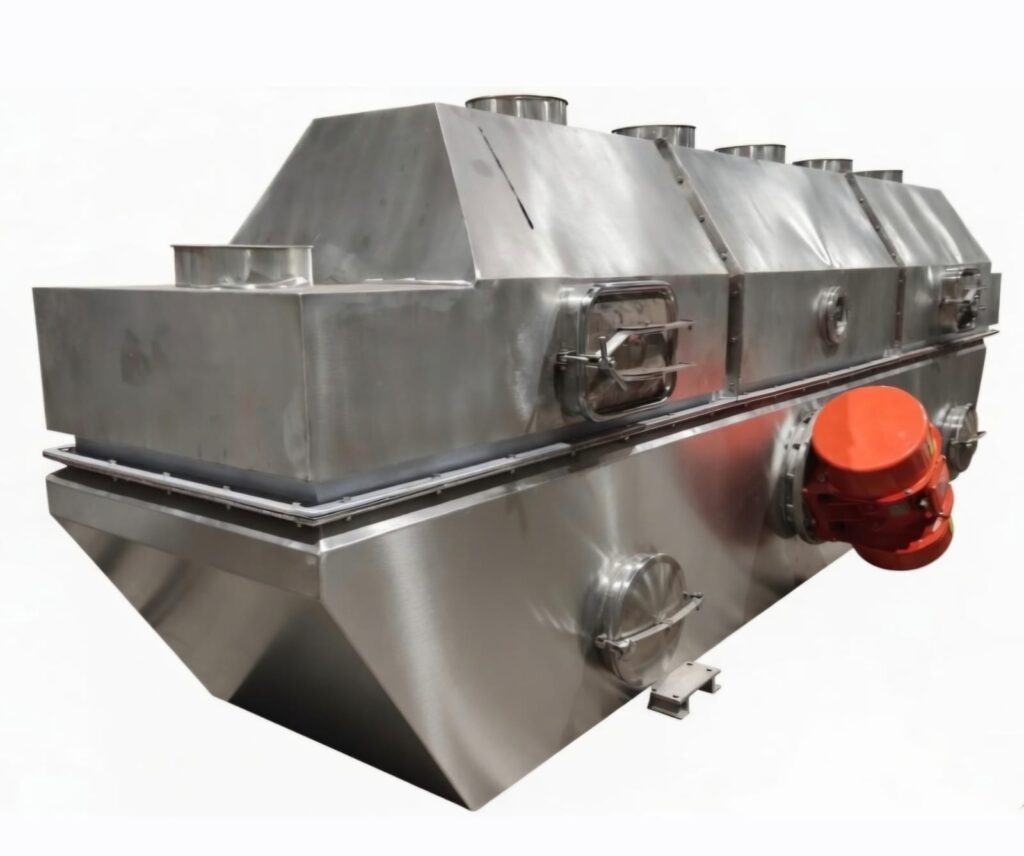
Fluid bed / vibratory fluid bed
- Best when: Particles fluidise cleanly (granules or conditioned solids)
- Strengths: Uniform moisture, good heat transfer
- Watch: Cake feeds that channel or defluidise; light powders that elutriate
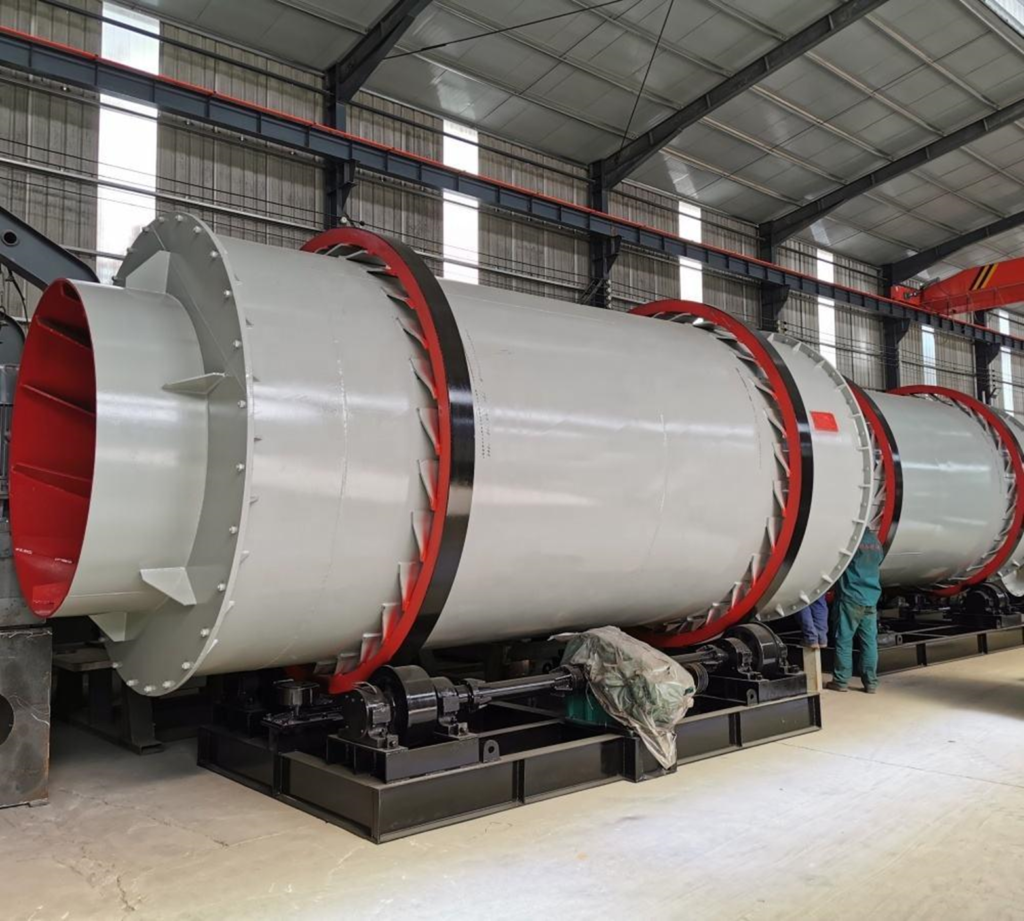
Rotary dryers (direct or indirect)
- Best when: Higher tonnage of robust solids and temperature profile is acceptable
- Strengths: Capacity, continuous bulk handling
- Watch: Dust, attrition of light grades, product temperature in direct-fired systems
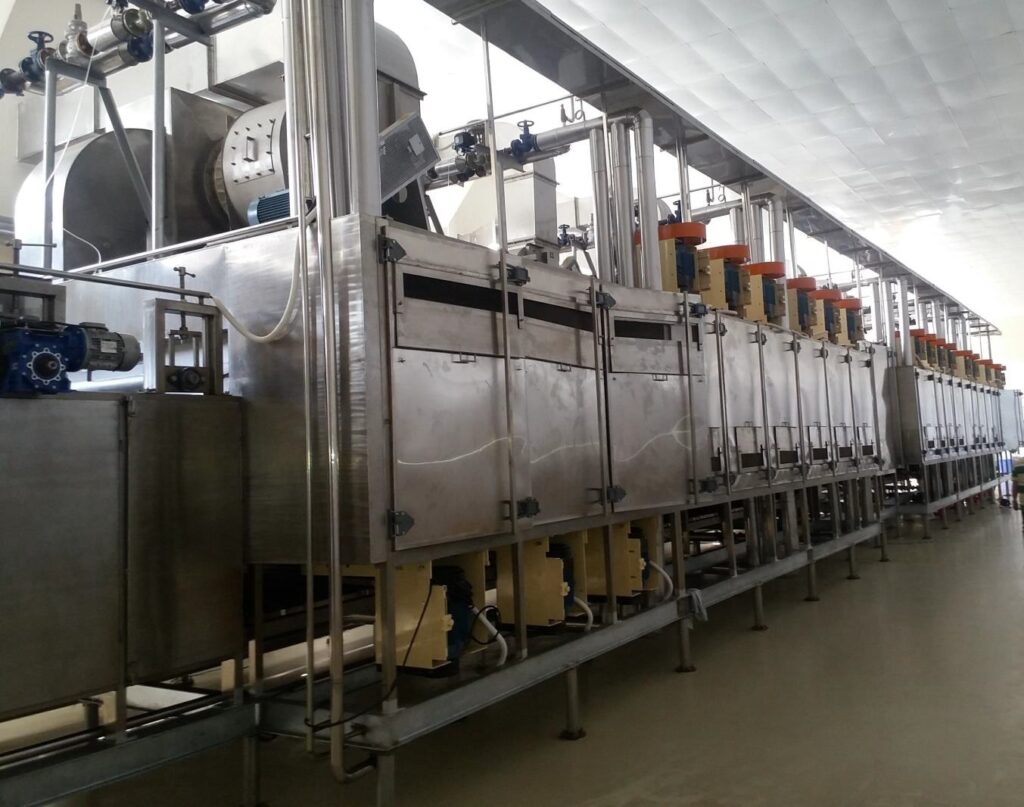
Band / mesh-belt dryers
- Best when: Pre-formed pieces, extrudates or layered permeable beds
- Strengths: Gentle handling, multi-zone control
- Watch: Fine powders that fall through mesh; impermeable sticky sheets
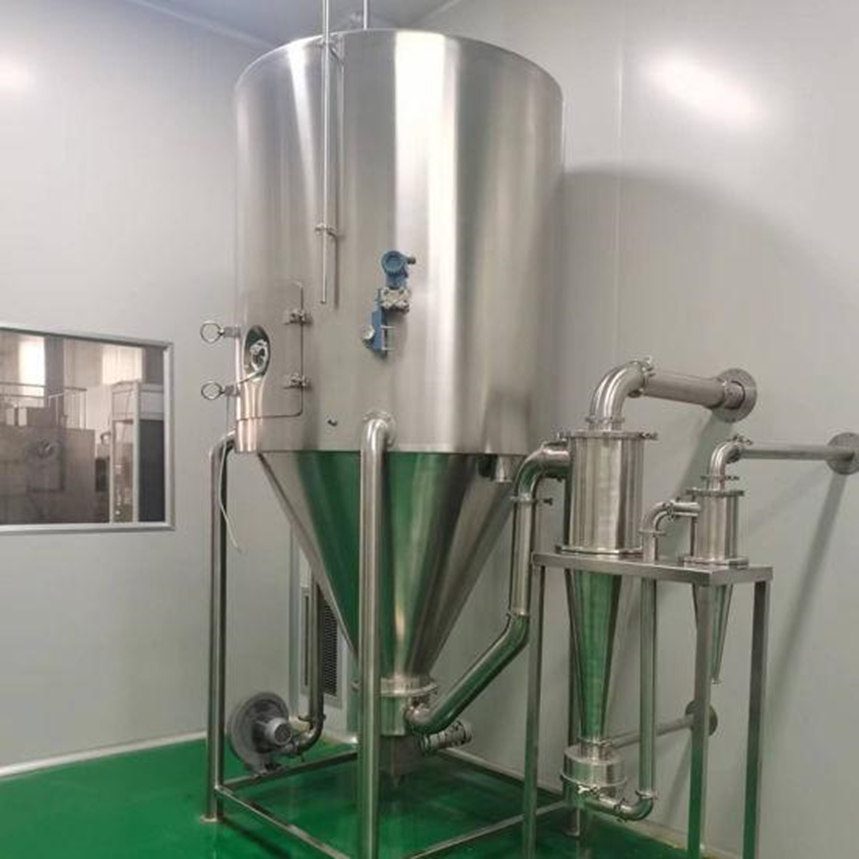
Spray dryers
- Best when: Feed is truly pumpable slurry/solution and spray morphology is required
- Watch: Energy cost of evaporating large water loads; deposits
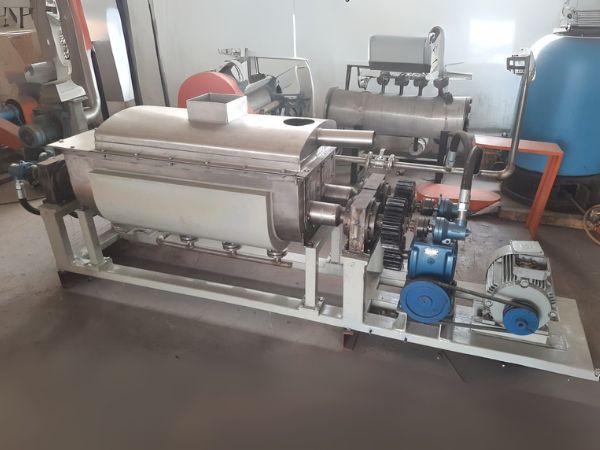
Contact / paddle systems
- Best when: Sticky pastes need indirect heat and long controlled residence
- Watch: Torque, discharge, vapour handling
5. Problem–Solution Map for Buyers
| Problem | Typical cause | Direction |
|---|---|---|
| Cake clogs dryer | Wrong technology for sticky high-moisture feed | Spin-flash or contact; improve upstream dewatering |
| Product starts to calcine / loses CO₂ | Temperature or residence too high | Lower product temperature; verify with analysis |
| Very dusty product, high losses | Light bulk density, over-dispersion, weak separation | Improve cyclones/bag filters; review rotor/air velocity |
| Uneven residual moisture | Channeling, poor mixing, unstable feed | Fix fluidization/loading; stabilise filter cake moisture |
| Bulk density off-spec | Over-milling in dryer or wrong particle formation | Adjust dispersion intensity; consider granulation path |
| High energy use | Excess inlet moisture; over-drying | Better filtration; enforce moisture target |
6. Dust, Hygiene and Emissions
Light magnesium carbonate grades generate fine dust. Specify:
- Cyclone + bag filter (or equivalent) sized for the powder
- Explosion/dust-hazard assessment where applicable
- Enclosure of conveyors and packaging
- For food/pharma grades: SS contact parts, cleanable design, documentation
7. RFQ Checklist for a Magnesium Carbonate Dryer Manufacturer
- Chemical form (MgCO₃, basic carbonate, hydromagnesite-type, etc.)
- Feed form (cake moisture %, slurry solids %, powder)
- Target residual moisture
- Maximum product temperature (and whether calcination must be avoided)
- Capacity (kg/h feed or product — state which)
- Particle size / bulk density targets
- Abrasiveness and corrosion notes
- Heat source (steam, gas, thermic fluid)
- Emission and dust limits
- Food/pharma hygiene needs if any
8. How to Evaluate Manufacturers
| Check | Why it matters |
|---|---|
| Asks cake vs powder and temperature limit | Correct technology family |
| Does not push re-slurry by default | Energy and process sense |
| Dust collection in scope discussion | Operability and compliance |
| Capacity tied to moisture in/out | Comparable quotes |
| Materials of construction stated | Chlorides/impurities may be present from brine routes |
| Pilot or trial path | Sticky cakes and light powders need proof |
Red flags: One standard dryer for every magnesium salt; no temperature/calcination discussion; capacity without moisture basis.
9. How GTI Dryers Approaches Magnesium Carbonate Duties
GTI Dryers designs and manufactures continuous industrial dryers — including spin-flash / dispersion systems for wet cakes, fluid-bed/VFBD, rotary, and band systems — and selects from feed form and product limits.
For magnesium carbonate projects we:
- Separate drying from calcination goals
- Prioritise cake-capable technologies when filtration produces paste
- Address dust recovery and residual-moisture targets
- Propose assumption-based designs from your process data
Geographic Note
Magnesium carbonate is produced from brine, magnesite and synthetic precipitation routes in multiple regions. Indian manufacturers can supply dryers for domestic chemical plants and export projects; specify standards, documentation and packing for the destination market. Ambient humidity affects hygroscopic behaviour in storage after drying.
Frequently Asked Questions
What dryer is best for magnesium carbonate filter cake?
Often a spin-flash / mechanical dispersion dryer or a contact system — after confirming temperature limits. Fluid bed only if the feed can be conditioned to fluidise.
Can I use a rotary dryer?
Yes for some robust bulk duties if product temperature and dust are controlled. Light, high-value grades may need gentler or more controlled systems.
Will drying convert my carbonate to MgO?
If product temperature and time are too high, unwanted decomposition can begin. Set and verify a maximum product temperature when carbonate must be preserved.
What residual moisture should I target?
Use your customer or process specification. Over-drying wastes energy and can increase dustiness.
What data should I send GTI?
Feed form and moisture, target moisture, max product temperature, capacity, bulk density/particle goals and heat source.
Next Step
If you are selecting a magnesium carbonate dryer manufacturer, share your feed form and whether the product must remain carbonate. GTI will recommend a suitable continuous drying approach — spin-flash, fluid bed, rotary or other — based on process data rather than a one-size catalogue unit.
Request a magnesium carbonate drying assessment with your process data.
Contact the GTI Technical Team:
Website: gtidryers.com
Email: mktg@gtidryers.com
Phone / WhatsApp: +91 9330077417