
Insect Frass Drying: Moisture, Heat Treatment and Dryer Choice for Organic Fertiliser
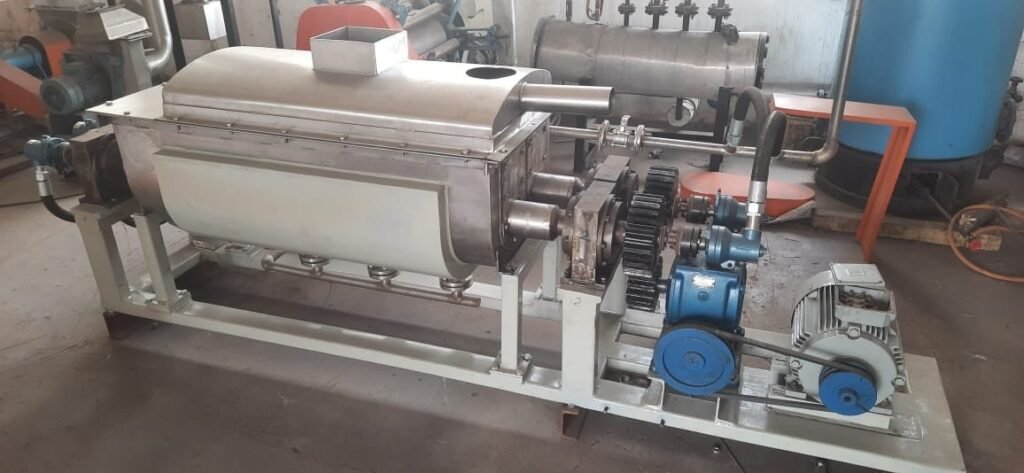
Short answer: Insect frass is the mixture of insect excrement, feeding substrate and insect remains left after rearing. To sell it as an organic fertiliser it is usually dried or conditioned to a stable moisture, and in the EU it must also meet a heat treatment of at least 70 °C for 60 minutes. Moisture […]
Spray Dryer Wall Deposits: Causes, Sticky-Point Checks and Fixes for Chemical and Polymer Powders
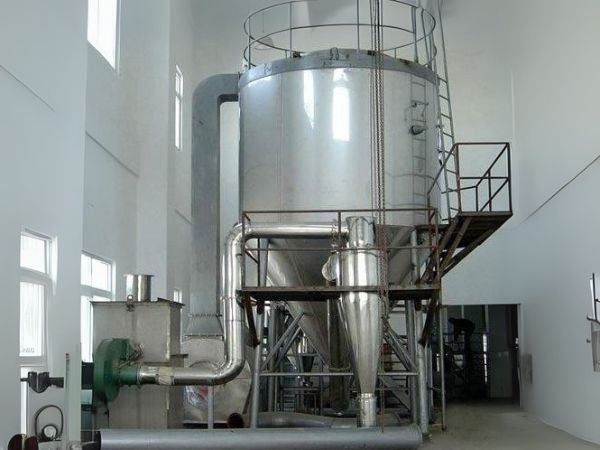
Short answer: Spray dryer wall deposits form when particles reach the chamber wall still wet or soft, above their sticky point. The usual fixes are lowering product temperature or moisture at the wall, adjusting atomisation and air flow so droplets do not reach the wall, and cooling or cleaning surfaces. Confirm the cause with a […]
Vibratory Fluid Bed Dryer Air Flow and Heat Balance: Is Capacity Limited by Heat or Humidity? (Worked Example)
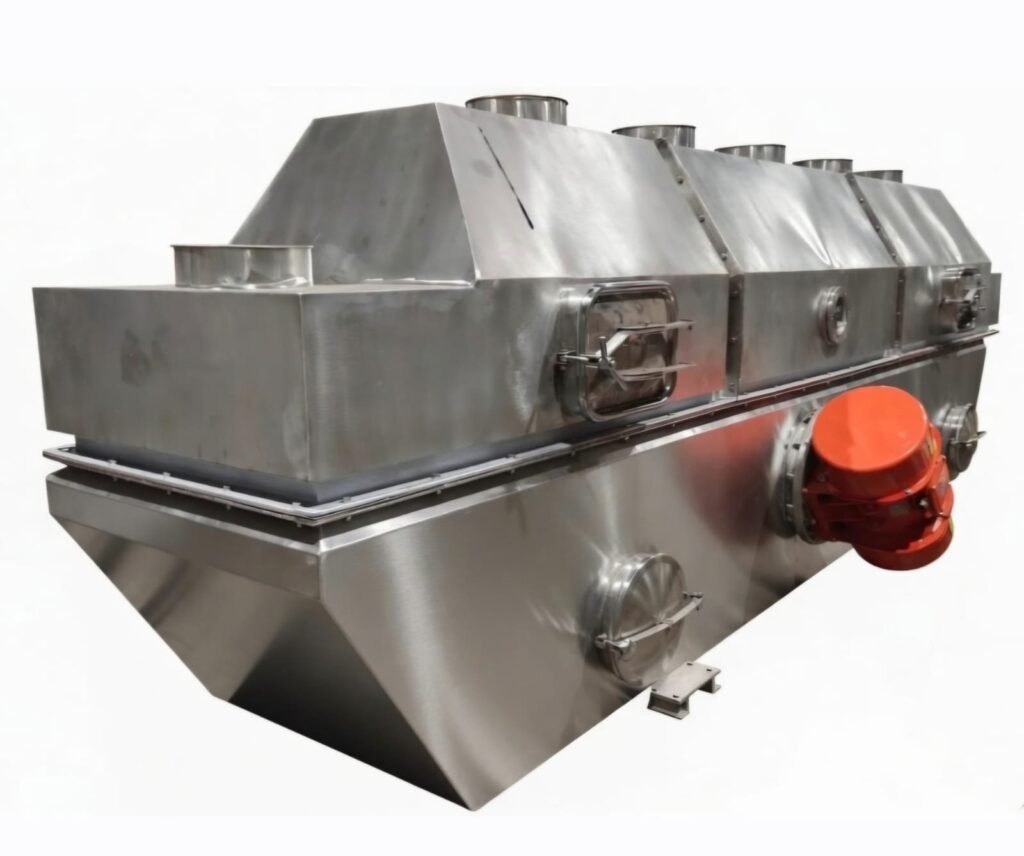
Short answer: In a vibratory fluid bed dryer, fluidisation sets the air volume: bed area multiplied by the chosen air velocity. Capacity is then limited either by the heat that air can carry in, or by the moisture it can carry out. In the worked example below, heat is the limit, so inlet temperature and […]
Belt Dryer vs Rotary Dryer: How to Choose for Granules, Minerals and Chemical Solids
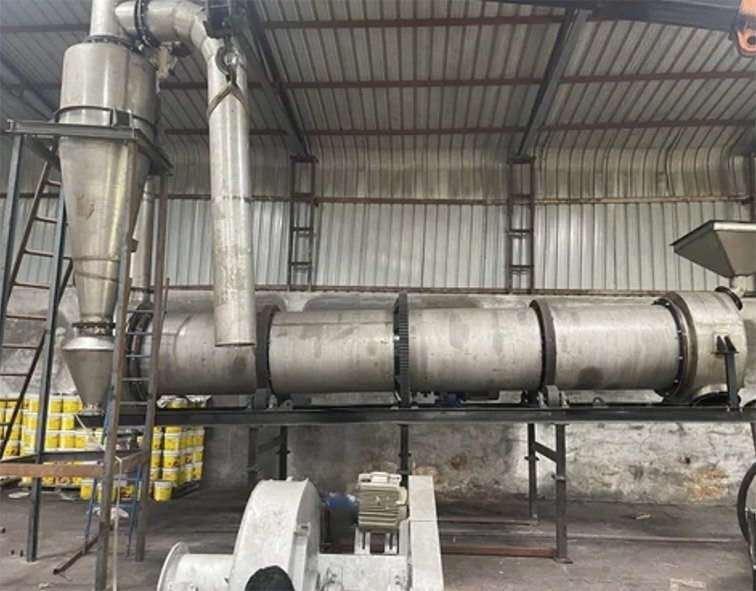
Short answer: Choose a rotary dryer for robust, free-flowing bulk solids at high tonnage that tolerate tumbling. Choose a belt dryer when the product is fragile, shape-sensitive or needs long, zoned drying with little handling. The deciding facts are attrition, residence time control, feed variability and required temperature profile, and they should be confirmed in […]
Preforming Filter Cake for a Belt Dryer: Extrusion, Bed Permeability and Moisture Load
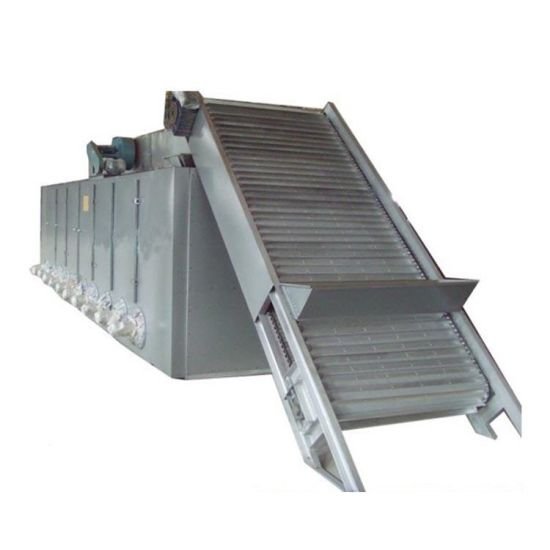
Short answer: Wet filter cake usually cannot go onto a belt dryer as a solid slab, because hot air cannot pass through it. It is first preformed, typically extruded into short strands or granules, so the bed becomes permeable. Strand diameter, bed depth and the cake’s starting moisture then decide belt area, drying time and […]
Industrial Sand Drying Systems: How to Choose the Right Dryer for Silica Sand, Foundry Sand and M-Sand Processing?
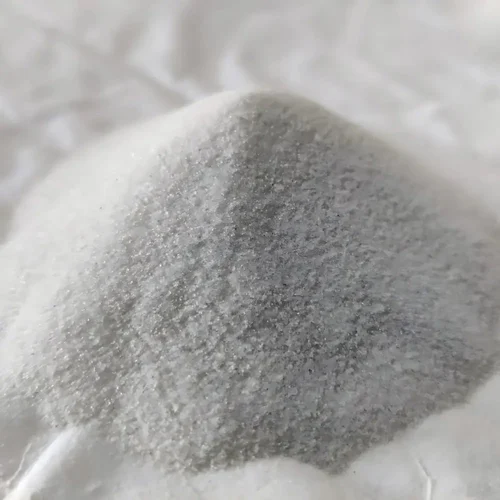
Why Is Industrial Sand Drying Important? Sand is widely used in glass manufacturing, foundries, construction, ceramics, filtration, chemicals and other industrial applications. However, naturally sourced, washed or processed sand often contains moisture that can affect product quality and downstream operations. Excess moisture can cause: An industrial sand dryer reduces moisture to the required level, helping […]
Salt Dryer: How Fluid Bed & Rotary Dryers Prevent Caking and Produce Free-Flowing Salt

Industrial and food-grade salt (NaCl) leaves centrifuges or washers with surface moisture that quickly causes caking in silos, jumbo bags and consumer packs. A properly specified salt dryer — typically a fluid bed or rotary dryer, often with cooling — drives residual moisture into a band where crystals remain free-flowing. This guide explains why salt […]
Pharmaceutical Powder Dryer: How Vacuum Tray, Fluid Bed & Spray Dryers Ensure Purity and Stability
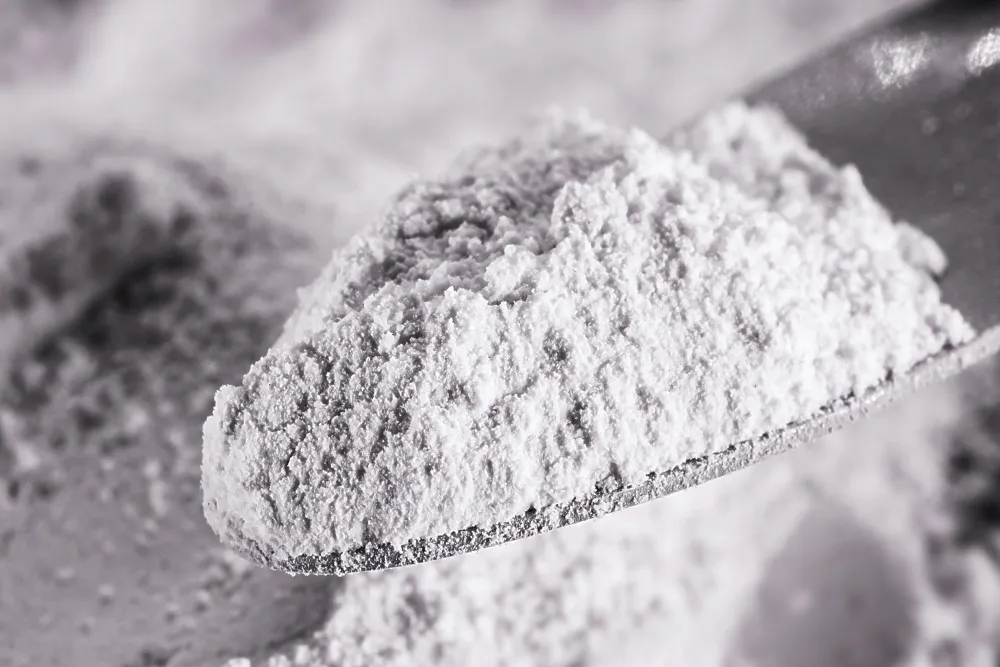
Pharmaceutical powders — APIs, intermediates, co-processed excipients and spray-dried dispersions — only remain pure and stable when drying respects thermal limits, residual solvent targets, containment and cleanability. A pharmaceutical powder dryer is therefore selected by feed form and quality risk, not by catalogue familiarity alone. Three technologies appear most often: This guide explains how each […]
Pharmaceutical Granule Dryer: How Fluid Bed Dryers Ensure Uniform Moisture Control for Tablet Manufacturing
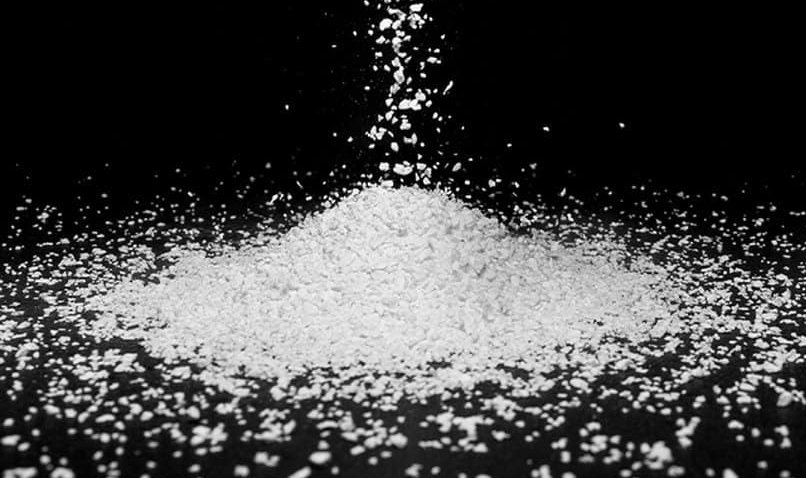
In oral solid dose (OSD) manufacturing, wet granules must be dried to a tight residual-moisture band before milling, blending and compression. Moisture that is too high, too low or uneven between granules shows up later as tablet weight variation, hardness drift, sticking, capping risk and stability problems. The standard pharmaceutical granule dryer for this duty […]
Herbal Extract Dryer: How Spray Drying & Vacuum Technology Preserve Active Compounds in Plant Extracts

Herbal and botanical extracts are valued for marker compounds — polyphenols, glycosides, alkaloids, essential-oil fractions, bitters and other actives — not only for bulk powder. Aggressive drying can darken product, flatten aroma and cut assayed potency even when residual moisture looks acceptable. A fit-for-purpose herbal extract dryer strategy uses spray drying and/or vacuum technology to […]