
API Drying Systems: How Vacuum Tray, Fluid Bed & ANFD Ensure Quality and GMP Compliance
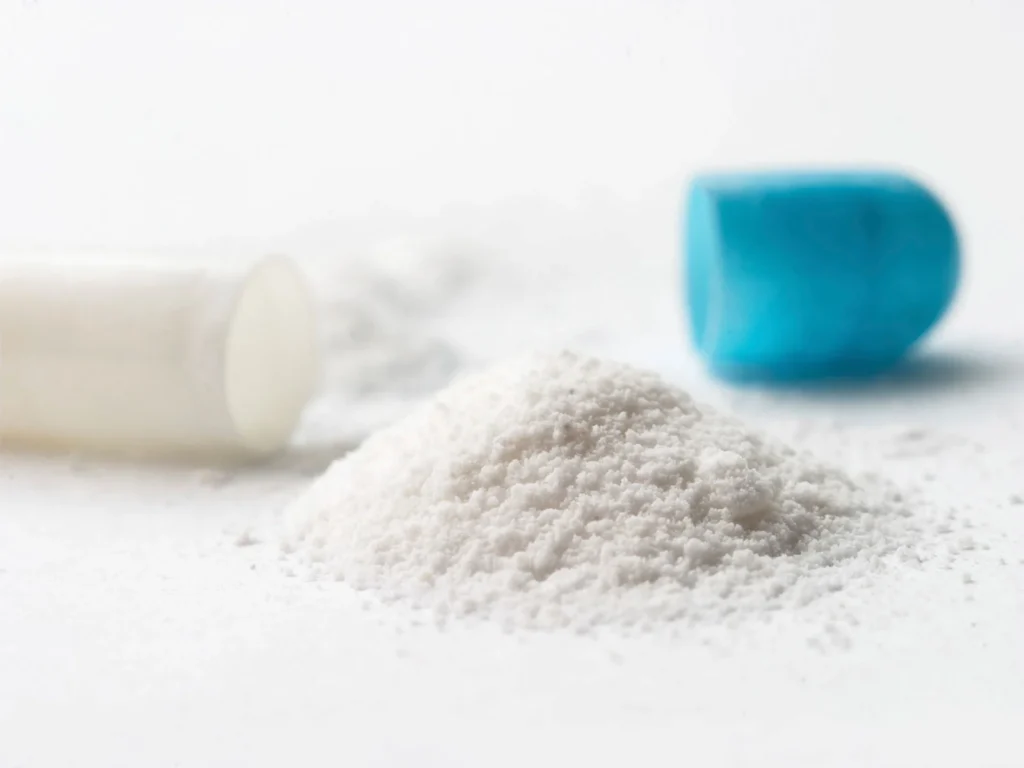
API drying is a controlled unit operation, not a simple moisture-removal step. Residual solvent, residual moisture, crystal form, potency and impurity profiles must stay within specification while the equipment, documentation and cleaning regime support GMP expectations. Three technologies dominate many solid-API trains: This guide explains when each ensures quality, how GMP discipline enters equipment selection, […]
Black Mass Drying in Lithium-Ion Battery Recycling: Process Requirements and Dryer Selection
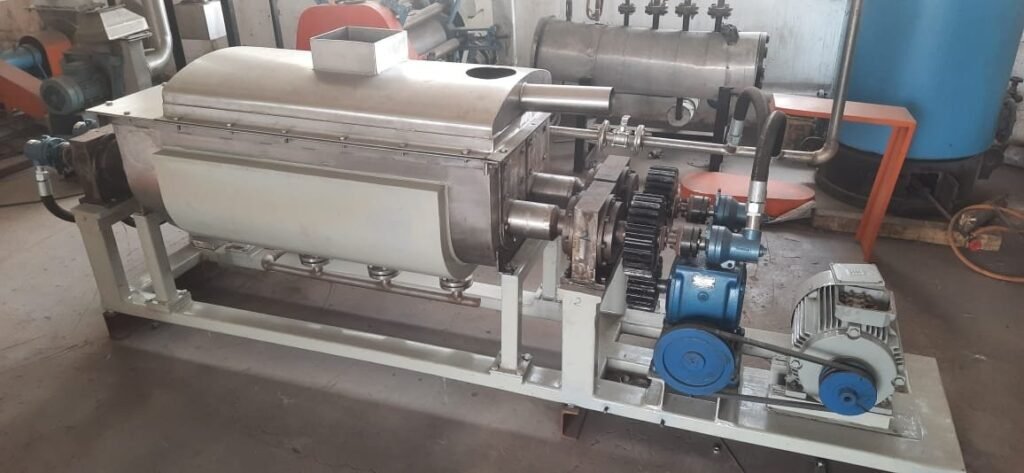
Short answer: Black mass drying removes residual electrolyte solvents, and any process water, from shredded lithium-ion battery material before hydrometallurgical or pyrometallurgical recovery. It is usually done at low temperature in an inert or vacuum environment, with solvent vapour condensed and off-gas treated. Indirect, agitated dryers are the main candidates, but the design must follow […]
Flash Dryer Troubleshooting: Wet Product, Wall Deposits, Fines Loss and Unstable Temperatures
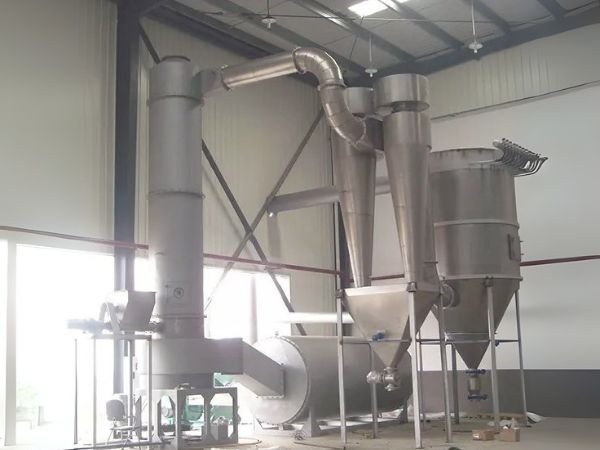
Short answer: Most flash dryer problems trace back to unstable or poorly dispersed feed, too little air or heat for the actual evaporation load, sticky material passing through its sticky moisture range, or worn and blinded collection equipment. Check feed rate and moisture first, then air flow and temperatures, then deposits and collectors. Last updated: […]
Fluid Bed Dryer Air Velocity Calculation: Minimum Fluidisation, Terminal Velocity and Bed Area
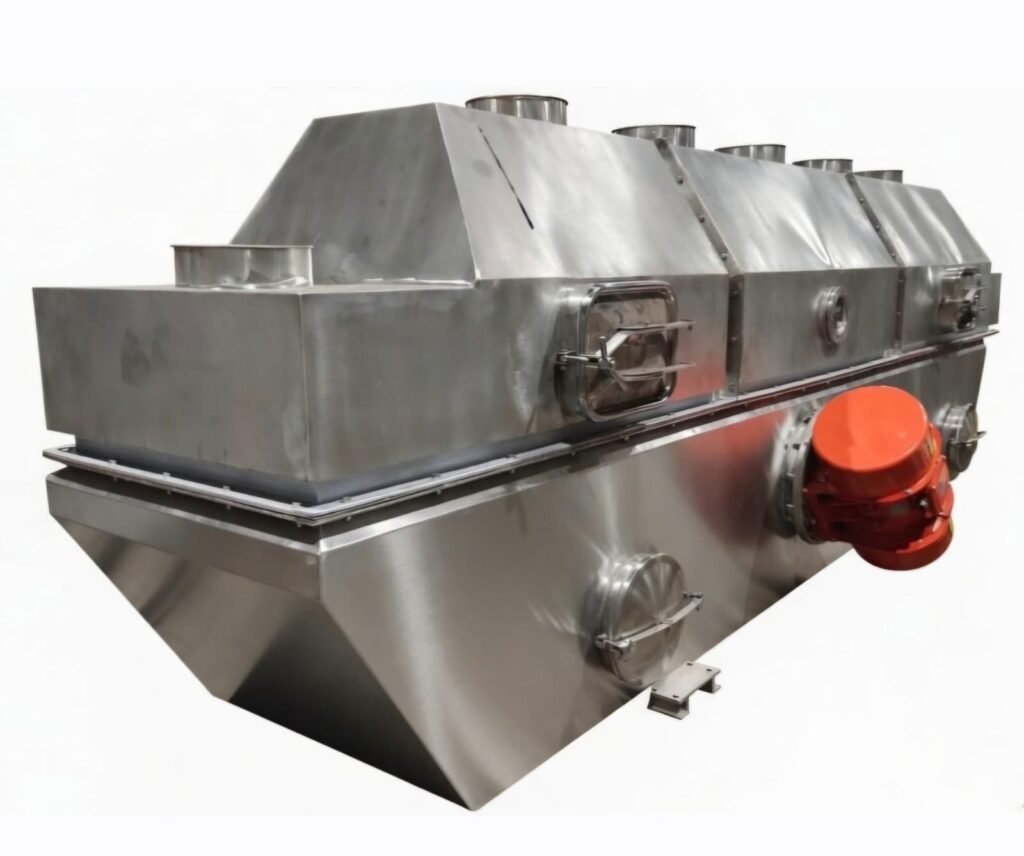
Short answer: Fluid bed dryer air velocity must sit above the minimum fluidisation velocity of the particles and below the terminal velocity of the smallest particles you want to keep. Estimate the first with the Wen and Yu correlation and the second with a drag correlation, then check that the air needed for drying gives […]
Industrial Belt Dryer Cost: What Drives Price and Operating Cost, and How to Compare Quotations
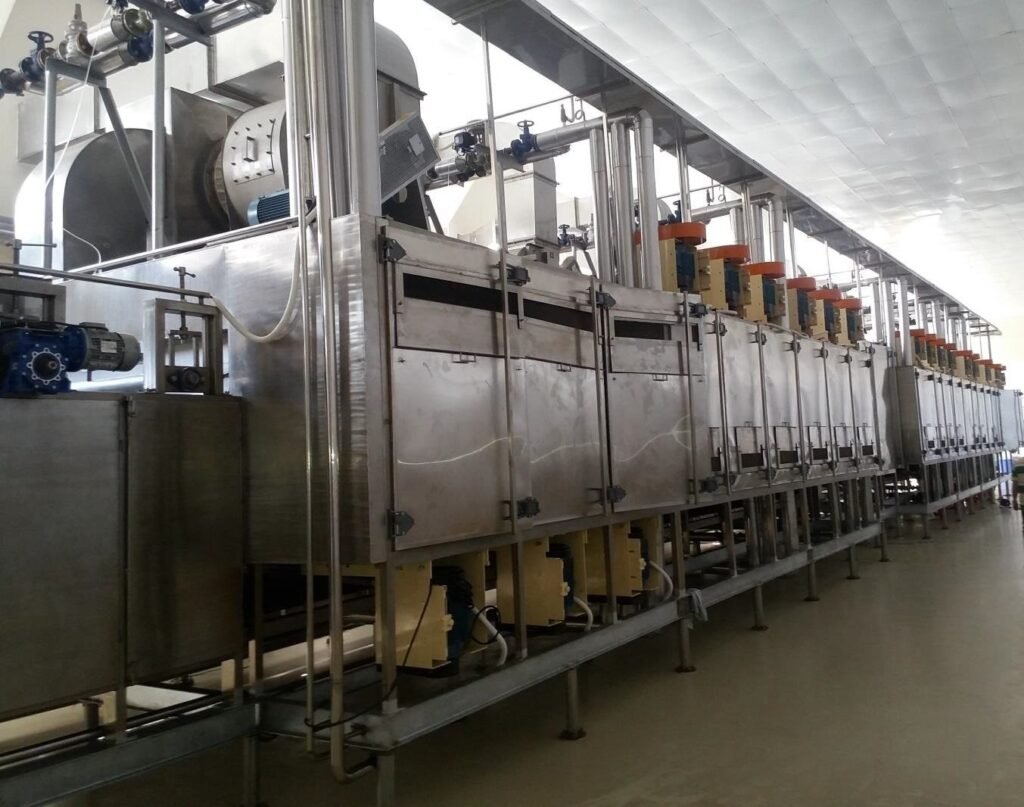
Short answer: Industrial belt dryer cost is driven mainly by effective belt area, which comes from capacity and drying time, followed by materials of construction, heating system, number of zones and tiers, emission and safety equipment, and scope of supply. Operating cost is dominated by thermal energy per kg of water evaporated, then fan power […]
How to Size a Belt Dryer: Belt Area, Bed Depth, Residence Time and Airflow (Worked Example)
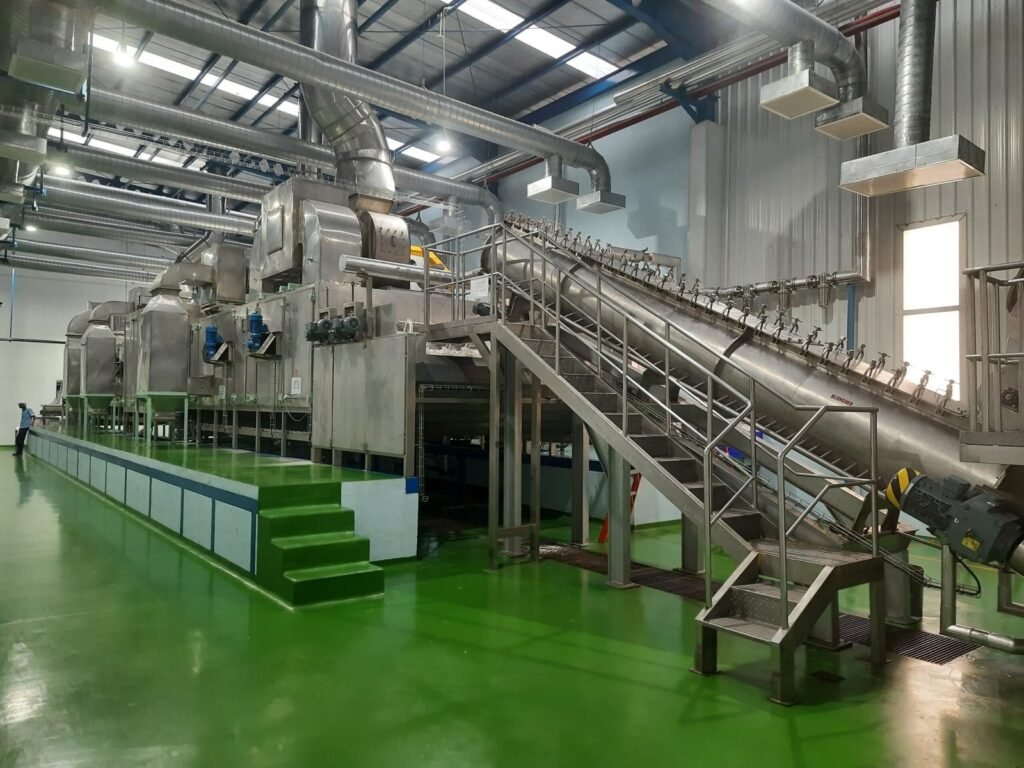
Short answer: To size a belt dryer, run a mass balance to find the water to evaporate, take drying time from trials on your material, and divide the material held on the belt (feed rate × residence time) by the allowable bed loading in kg/m². That gives effective belt area. Width, length and speed follow; […]
Industrial Insect Larvae Drying: How to Choose the Right Dryer for BSFL, Mealworms and Commercial Insect Production

1. Why Is Industrial Drying Important in Insect Production? Commercial insect farming produces high-moisture larvae that require controlled drying before storage, milling, oil extraction or further processing. Without an appropriate drying process, manufacturers may face: An industrial insect larvae dryer helps control moisture removal, improve product consistency and prepare the material for downstream processing. The […]
How to Choose an Industrial Dryer for Insect Protein Powder: Whole Larvae, Defatted Meal or Protein Slurry?

Insect protein production involves more than drying harvested larvae. Depending on the processing method, manufacturers may need to dry whole larvae, defatted insect meal or a liquid protein slurry. Each material has different moisture levels, physical properties and drying requirements. Selecting an unsuitable dryer can result in high energy consumption, poor moisture uniformity, product sticking, […]
Industrial BSFL Drying Systems: How to Choose the Right Dryer for Insect Protein Production?
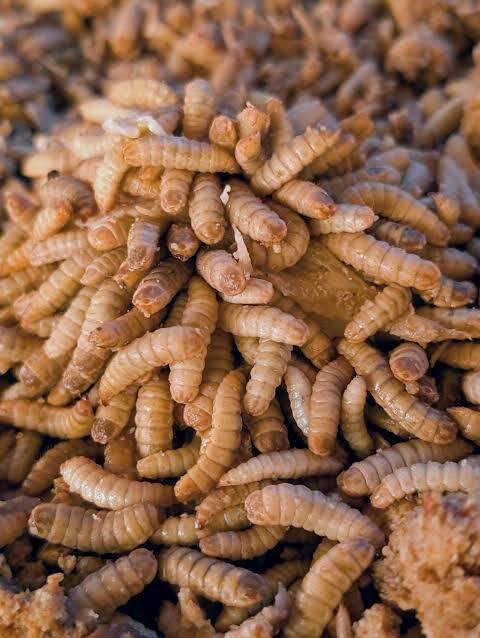
Black Soldier Fly Larvae (BSFL) are increasingly used in insect protein production for aquaculture, poultry feed, pet food and other animal nutrition applications. However, freshly harvested larvae contain significant moisture, making proper drying essential for storage, handling and further processing. For commercial insect protein manufacturers, selecting the right industrial BSFL drying system is important for […]
Industrial Starch Drying Systems for Cassava, Potato, Corn & Modified Starch
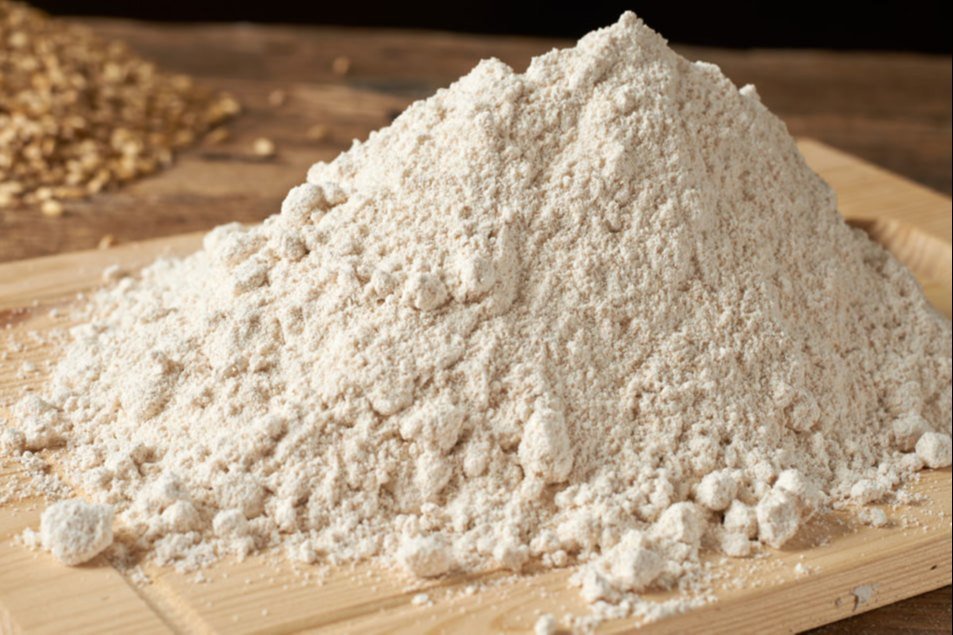
Industrial starch drying converts washed, dewatered starch into a stable powder for food, paper, textile and modified-starch plants. Whether the feedstock is cassava (tapioca), potato, corn (maize) or a modified starch, residual moisture, colour and particle integrity must meet customer specifications without gelatinising or scorching the product. This guide helps buyers select and specify starch […]