
Drying PDM Granules: Dryer Selection for Potash Derived from Molasses at Indian Distilleries
Short answer: Potash Derived from Molasses (PDM) is made from the potash-rich ash left when molasses distilleries concentrate and incinerate their spent wash. To sell it as granular fertiliser, the ash is granulated, usually with a liquid binder. PDM granule drying must then bring the wet granules within India’s Fertiliser Control Order (FCO) limit of […]
Rotary Atomiser vs Pressure Nozzle vs Two-Fluid Nozzle: Choosing a Spray Dryer Atomiser
Short answer: The right spray dryer atomiser depends on your feed, powder specification and capacity. Choose a rotary atomiser when you need high, flexible throughput from a wide range of feeds, including abrasive or particle-laden slurries that would block small orifices, and when the plant can accept a wide drying chamber. Choose a pressure nozzle […]
Mushroom Dryer Selection Guide: Drying Button, Oyster and Shiitake Mushrooms for Slices and Powder
Short answer: Choose a mushroom dryer by product form and quality target, not by capacity alone. Sliced button, oyster or milky mushrooms for retail packs or soup mixes are usually dried with forced hot air in a tray/cabinet or continuous belt dryer at moderate temperatures, with blanching or anti-browning pretreatment where colour matters. A heat […]
Condensation in Dryer Exhaust Ducts, Cyclones and Bag Filters: A Dew Point Troubleshooting Guide
Short answer: Dryer exhaust condensation is a common cause of wet powder in ducts, damp or blinded filter bags, rust streaks on cyclones and dripping from the stack. The mechanism is simple: some surface in the exhaust path is colder than the dew point of the dryer’s exhaust air. The fix starts with numbers. Calculate […]
Biomass Pellet Drying Systems: Complete Guide for Wood & Biofuel Pellet Plants
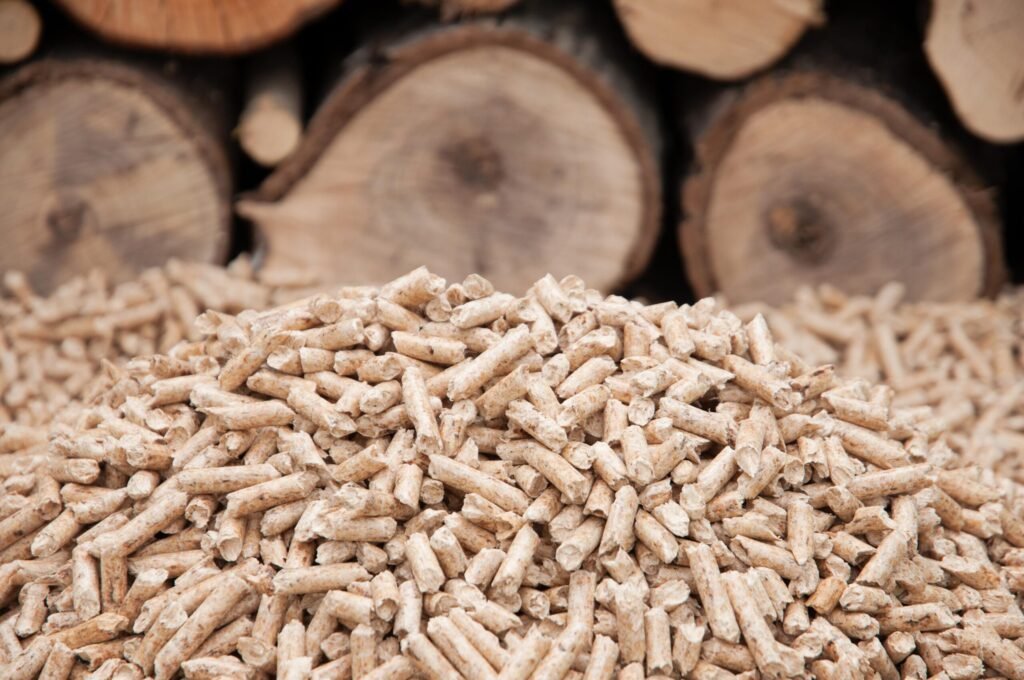
In a wood or biofuel pellet plant, the dryer is often the largest thermal consumer and the most critical bottleneck before the pellet mill. Feedstock that is too wet will not compress reliably; feedstock that is over-dried wastes fuel and can increase fire risk. A properly engineered biomass pellet drying system stabilises moisture, protects downstream […]
How Industrial Dryers Improve Fish Feed Pellet Quality and Storage Stability
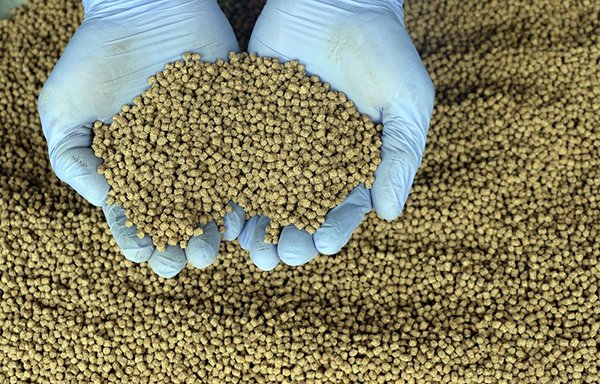
In aquafeed plants, fish feed pellet quality is judged on durability, fines, floatability (for floating feeds), oil retention after coating and shelf behaviour in bags or bins. Extrusion or pelleting sets structure; industrial drying and cooling lock in residual moisture and product temperature so pellets survive handling and storage. This page explains how dryers and […]
How Industrial Dryers Improve Poultry Feed Pellet Durability and Storage Stability
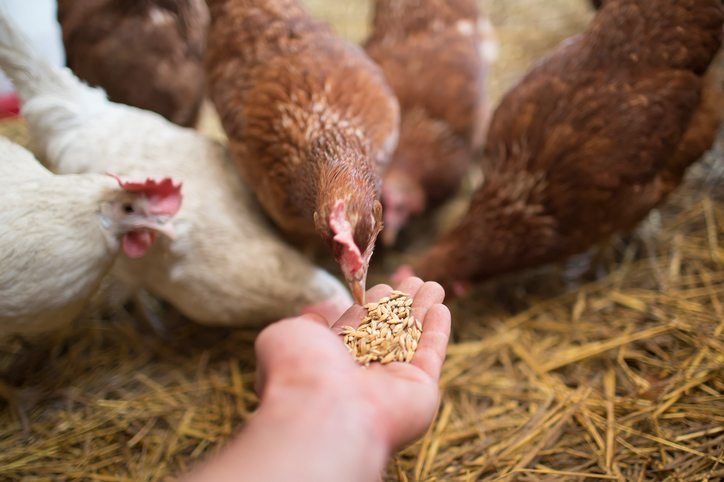
In poultry feed mills, pellet durability and storage stability decide how much product arrives intact at the farm — and how long it stays safe in bins. Presses and dies set pellet shape; moisture and temperature after the press often decide whether pellets survive conveying, bagging and storage. Industrial dryers and coolers are the process […]
Banana Processing Plant Guide: Dried Chips, Green Banana Flour and Banana Powder Lines
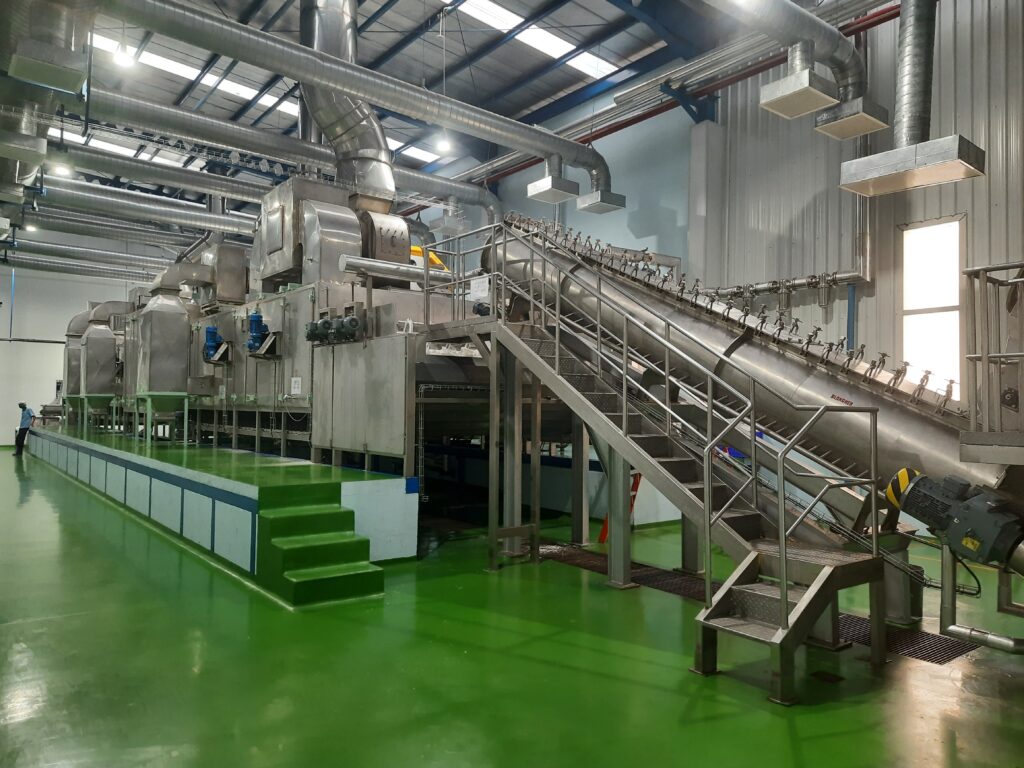
A banana processing plant can make four very different products: dried banana slices or chips, fried banana chips, green banana flour and ripe banana powder. They start from fruit at different ripeness, use different thermal steps and need different machinery. The first job in any banana project is to decide which of the four you […]
Tomato Dehydration and Powder Processing Plant: Routes, Dryers and Machinery
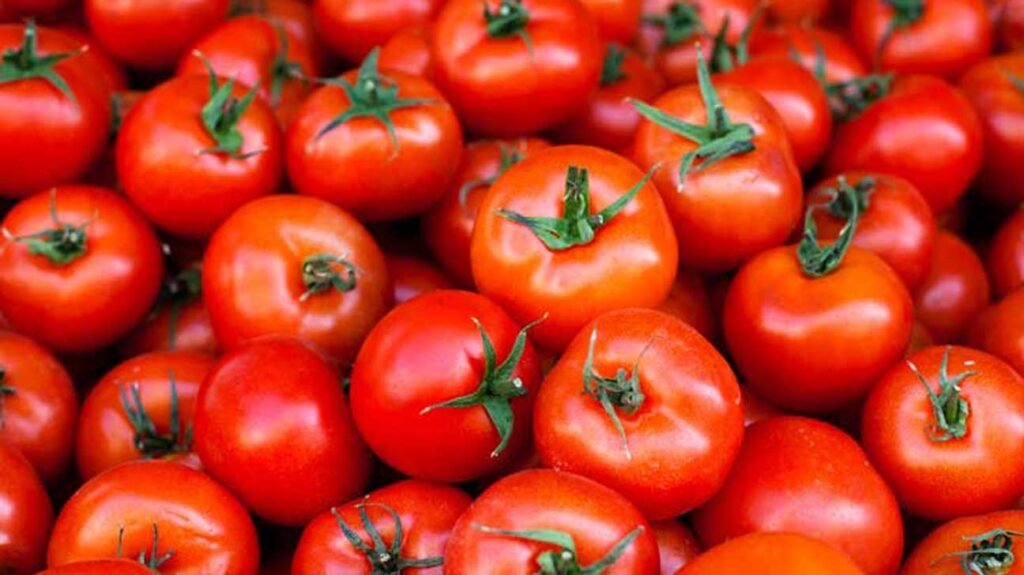
A tomato dehydration plant turns fresh tomatoes into dried pieces, flakes or tomato powder. Before choosing any machine, decide which of two process routes you need, because they use different equipment and give different products. Quick answer: In the slice-and-mill route, prepared tomato pieces are dried on a continuous band (mesh-belt) dryer or in a […]
How to Run a Dryer Energy Audit: Measuring Specific Energy Consumption and Finding the Losses
Short answer: A dryer energy audit measures how much energy your dryer uses for each kilogram of water it removes, then splits that energy into the useful part (evaporating water) and the losses (hot exhaust, heating the product, heat lost through the dryer body, and losses in the steam or heater system). You need four […]