
In a wood or biofuel pellet plant, the dryer is often the largest thermal consumer and the most critical bottleneck before the pellet mill. Feedstock that is too wet will not compress reliably; feedstock that is over-dried wastes fuel and can increase fire risk. A properly engineered biomass pellet drying system stabilises moisture, protects downstream equipment and supports pellet durability and storage.
This complete guide covers process goals, technology options, safety, sizing and how to specify a manufacturer package for pellet producers.
Quick answer: Dry chips, sawdust or mixed biomass to the moisture band required by your pellet mill — typically a controlled residual moisture suitable for densification and storage. Continuous rotary dryers dominate industrial wood pellet lines; flash dryers suit finer fractions. Design on peak wet-basis evaporation load and integrate dust/fire protection from the start.
1. Where Drying Sits in the Pellet Plant
Text
Raw biomass (logs, residues, agri waste)
        ↓
Size reduction (chipper, hammer mill — sequence varies)
        ↓
**Drying system** (rotary / flash / belt as applicable)
        ↓
Fine grinding (if required) → Conditioning → Pellet mill
        ↓
Cooler → Screening → Storage / bagging
Some plants dry before final hammer milling; others dry finer sawdust directly. The drying system must match your particle path, not a generic flowchart.
2. Why Pellet Plants Invest in Industrial Dryers
| Without controlled drying | With a proper drying system |
|---|---|
| Unstable pellet mill amps and frequent stops | Steady feed moisture to the press |
| Soft pellets, high fines | Better durability and handling |
| Mould and heating in bulk storage | Safer storage moisture band |
| Excess boiler fuel per tonne pellets | Lower water load in the thermal system |
| Seasonal production collapse | Peak moisture designed into capacity |
3. Feedstock Types and Drying Behaviour
| Feedstock | Drying notes |
|---|---|
| Wood sawdust | High fines, dust hazard, fast response to hot gas |
| Wood chips | Larger particles; longer internal diffusion time |
| Mixed forest residues | Bark, grit, variable moisture — wear and fire load |
| Rubber wood / plantation residues | Regional supply; treat as woody biomass with local moisture peaks |
| Agricultural biomass (selected) | Often lighter, different ash and fouling behaviour — validate separately |
Never size a dryer on a single bag sample. Use min / normal / peak moisture from real production months.
4. Target Moisture for Pelleting
Pellet mills require feedstock in a specified residual moisture band for binding, density and durability. The exact number depends on:
- Species and particle size
- Die specification and press type
- Whether steam conditioning is used
- Final pellet moisture after cooler
Buyer practice: Take the moisture target from your pellet mill OEM and quality team, then write it into the dryer RFQ with the test method. Avoid “dry as much as possible.”
After the pellet mill, a pellet cooler further stabilises temperature (and slightly moisture) for storage — distinct from the main biomass dryer.
5. Core Equipment in a Biomass Pellet Drying System
| Block | Function |
|---|---|
| Feed metering | Steady wet biomass into the dryer |
| Hot gas generation | Biomass furnace, gas burner, or dual-fuel hot air system |
| Dryer body | Rotary drum, flash duct, or belt chamber |
| Product discharge | Controlled outlet to conveyor/silo |
| Cyclones / multiclones | Primary solids recovery |
| Fine filtration (as required) | Emission compliance |
| Fans & ducts | Process air movement |
| Controls & interlocks | Temperature, feed, fire-safety logic |
| Ash / grit handling | Where furnaces and dirty fuels are used |
A “dryer” quotation that omits gas generation, separation and interlocks is only a partial system.
6. Technology Comparison for Pellet Plants
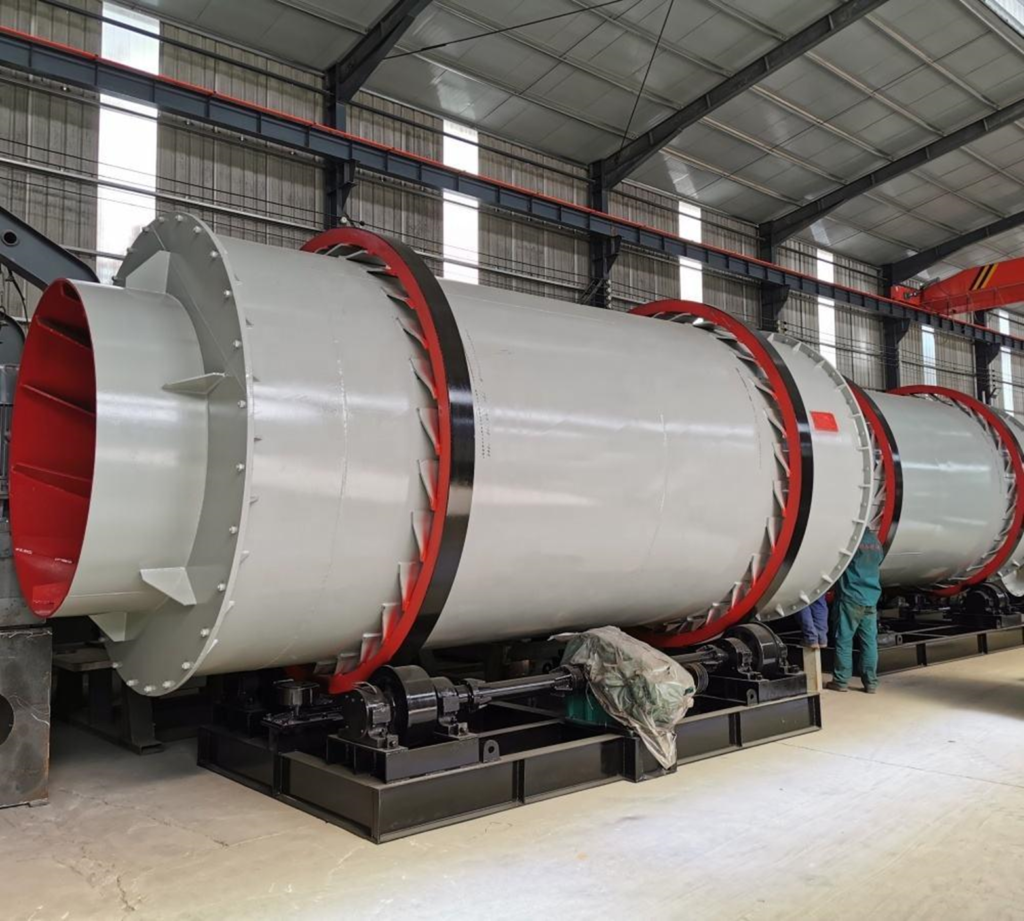
Rotary dryers (industry standard for many wood pellet lines)
- Strengths: High capacity, handles chips and mixed sawdust, continuous duty
- Design focus: Drum size, flights, co-current operation, residence time, inlet temperature limits, seals
- Best when: Industrial t/h rates and mixed particle sizes
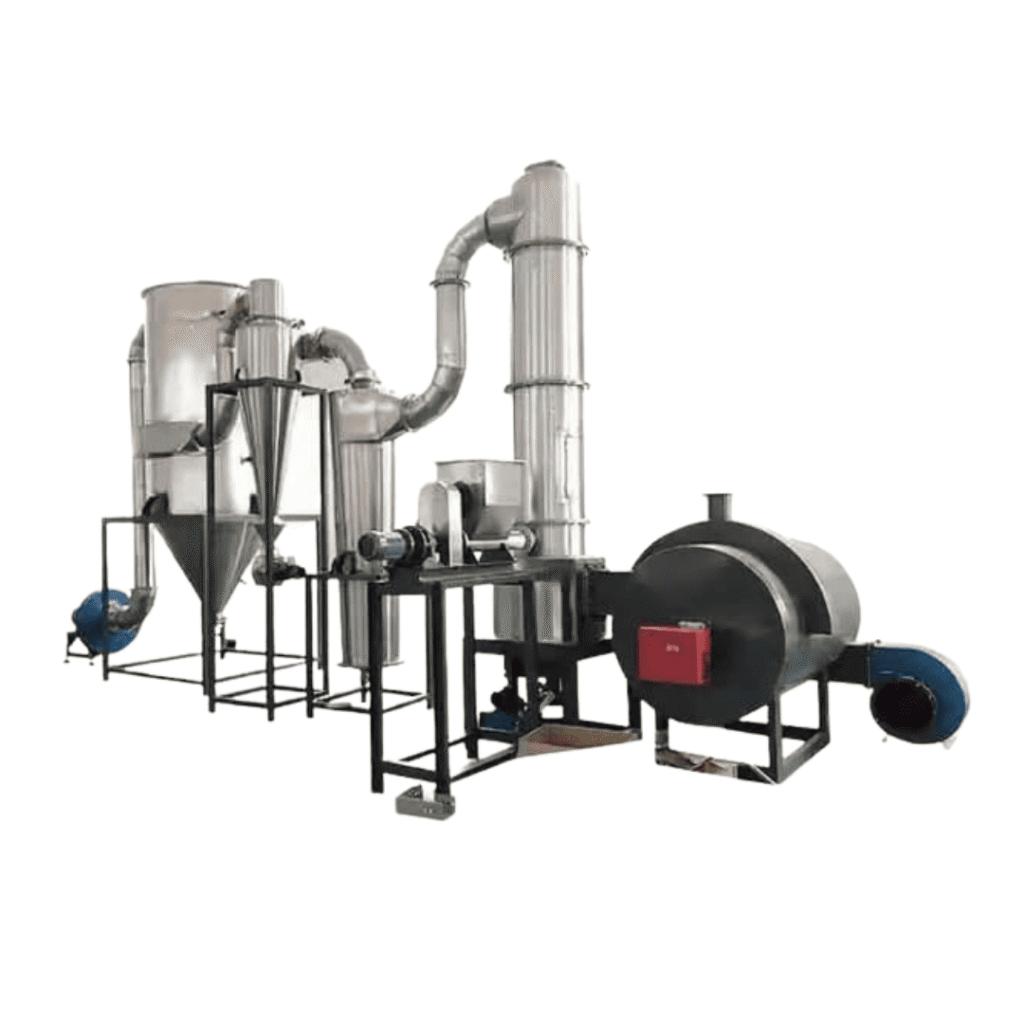
Flash / pneumatic dryers
- Strengths: Short residence, compact for fine sawdust
- Best when: Particle size is relatively uniform and dispersible
- Watch: Fan power, abrasion, temperature spikes on fines
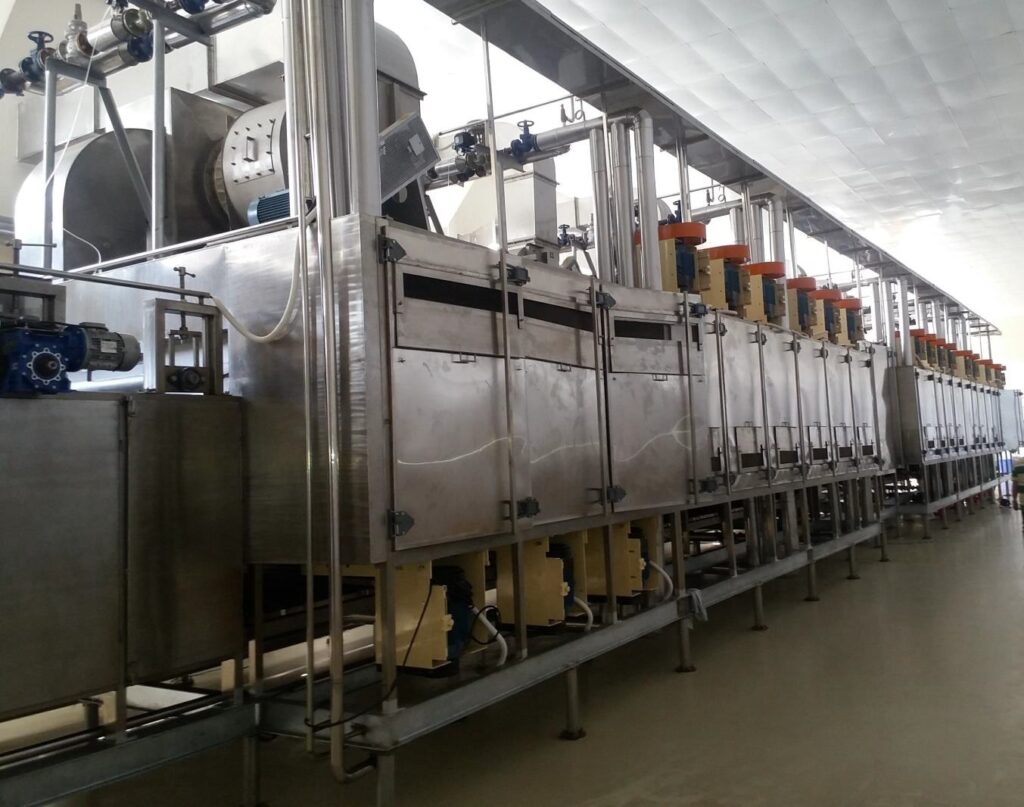
Belt / conveyor dryers
- Strengths: Lower temperature profiles, gentle treatment
- Best when: Coarser materials or special quality constraints
- Watch: Footprint; fines through mesh; capacity vs area
Multi-stage systems
- Coarse drying then finish drying
- Dryer + cooler before storage of dried feedstock
Only add stages when moisture path or energy recovery justifies complexity.
7. Fire and Explosion Protection (Mandatory Discussion)
Dry biomass dust is combustible. Pellet plant drying systems should address:
| Topic | Expectation |
|---|---|
| Temperature monitoring | Inlet/outlet gas and process limits |
| Spark detection / suppression | Where risk assessment requires |
| Interlocks | Trip heat/feed on fan failure or high temperature |
| Clean-out access | Ducts, cyclones, drop-out points |
| Housekeeping design | Reduce accumulation zones |
| Emergency procedures | Integrated with plant safety plan |
Buyers should reject offers that never mention combustible dust in biomass service.
8. Sizing the Drying System Correctly
Evaporation load (wet basis):W=F×100−MfMi−Mf
- W = kg water/h
- F = wet feed kg/h
- Mi = inlet moisture %
- Mf = outlet moisture % toward the pellet mill
Peak wet feed × peak moisture sizes the drum, furnace and fans. Average annual moisture undersizes the plant for monsoon or green-wood campaigns.
Also define:
- Operating hours per day
- Whether the dryer feeds one or multiple presses
- Buffer silo volume between dryer and mills
9. Problem–Solution Map for Pellet Producers
| Problem | Likely cause | Direction |
|---|---|---|
| Pellet mill unstable / high amps | Feed moisture swing | Dryer control + blending of wet/dry streams |
| Soft pellets / high fines | Moisture still high or over-dry brittle feed | Tighten outlet moisture band |
| Dryer bottleneck | Sized on average moisture | Redesign on peak evaporation |
| High thermal energy cost | Over-drying, leakage, very wet yard inventory | Moisture targets; covered storage; maintenance |
| Fires / trips | Dust buildup, weak interlocks | Safety package + cleaning access |
| Emission complaints | Undersized cyclones/filters | Upgrade separation scope |
10. Energy Optimisation Without Hurting Pellets
- Dry only to the mill’s moisture window
- Improve yard drainage and covered storage to cut inlet moisture
- Maintain flights, seals and insulation
- Control excess air
- Use biomass heat from bark/fines only with proper combustion and spark management
- Avoid running extreme inlet temperatures to “catch up” capacity — that raises fire risk and product variability
11. RFQ Checklist — Biomass Pellet Drying Systems
- Feedstock list (species, chips/sawdust/mix)
- Particle size distribution
- Inlet moisture min / normal / peak
- Target moisture to pellet mill
- Capacity wet t/h and/or dry t/h (state basis)
- Pellet plant output goal (t/h pellets)
- Heat source preference (biomass furnace, gas, dual)
- Emission limits
- Fire-safety standards expected
- Layout / building constraints
- Scope: dryer only vs furnace + dryer + cyclones + controls
- Installation and commissioning requirements
12. How to Evaluate Drying System Suppliers
| Check | Positive signal |
|---|---|
| Designs on peak wet-basis load | Realistic capacity |
| Asks pellet moisture window | Process integration |
| Includes hot gas and separation in discussion | System thinking |
| Addresses combustible dust | Suitable for biomass |
| Clear exclusions (civil, silos, mills) | Honest scope |
| References wood/biomass drying | Relevant experience |
Red flags: Agricultural dryer reused without fire design; capacity in t/h with no moisture; furnace undersized relative to evaporation load.
13. How GTI Dryers Supports Wood & Biofuel Pellet Plants
GTI Dryers designs continuous industrial drying systems for biomass and bulk solids, including rotary and flash configurations used ahead of densification processes.
For biomass pellet drying projects we:
- Calculate evaporation load from real feedstock moisture data
- Select rotary vs flash (or belt) from particle size and capacity
- Define system scope around dryer, heat source interface and powder separation
- Incorporate practical temperature interlocks and cleaning access in design discussions
- Align outlet moisture with pellet mill requirements
Geographic Note
Wood and agro-biomass pellet plants operate across India, Southeast Asia, Europe and other regions with different fuels and emission rules. Local wet seasons drive dryer size more than nameplate brochure capacity. Indian manufacturing supports domestic pellet projects and export equipment supply with service access for continuous plants.
Frequently Asked Questions
What is a biomass pellet drying system?
The integrated equipment that reduces moisture in wood or biomass feedstock to the band required for pellet milling — typically including hot gas generation, dryer, separation and controls.
Which dryer is best for wood pellet plants?
Continuous rotary dryers are the most common industrial choice for chips and mixed sawdust. Flash dryers suit finer uniform sawdust.
What moisture should biomass be dried to before pelleting?
Use your pellet mill and product specification. State the target and method in the RFQ.
Why do pellet plant dryers catch fire?
Combustible dust, accumulations, and insufficient temperature/feed interlocks. Safety design and housekeeping are mandatory.
What should I send GTI?
Feedstock type, particle size, moisture range, target moisture, t/h capacity, heat source and emission/safety requirements.
Next Step
If you are building or upgrading a wood or biofuel pellet plant, treat drying as a complete system — not a standalone drum. Share your feedstock and capacity data with GTI for a biomass pellet drying system assessment sized on real evaporation load.
Request a biomass pellet drying system assessment with your process data.
Contact the GTI Technical Team:
Website: gtidryers.com
Email: mktg@gtidryers.com
Phone / WhatsApp: +91 9330077417