
Best Industrial Dryer for Food & Agro Processing in India

India’s food and agro-processing sector is one of the world’s largest and most diverse. From spice and herb dehydration to onion and garlic powder, desiccated coconut, fruit and vegetable products and other ingredients, continuous industrial drying is a core process step that determines product colour, flavour, residual moisture, shelf life and export acceptability. There is […]
Best Dryer for Pharmaceutical Granules & OSD Manufacturing

In oral solid dosage (OSD) manufacturing, wet granulation is only one stage of the process. The wet granules that leave the high-shear granulator or fluid-bed granulator still contain significant moisture and must be dried to a controlled residual-moisture level before milling, blending, lubrication and compression or capsule filling. The drying step directly influences granule porosity, […]
Best Dryer for Biomass, Wood Chips & Pellet Plants
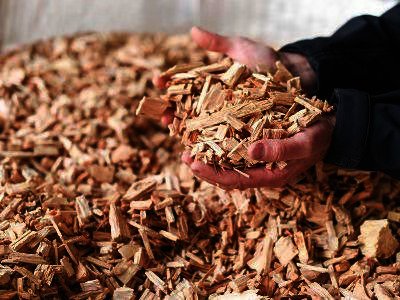
In biomass fuel and wood-pellet production, drying is one of the highest-impact process steps. Fresh wood chips, sawdust, shavings and many agricultural residues typically contain 30–60 % moisture. Pellet mills and most combustion systems require a much narrower residual-moisture window — commonly in the 8–15 % range depending on the process and product standard. Selecting […]
Best Dryer for ETP Sludge, Municipal Sludge & Zero Liquid Discharge Plants
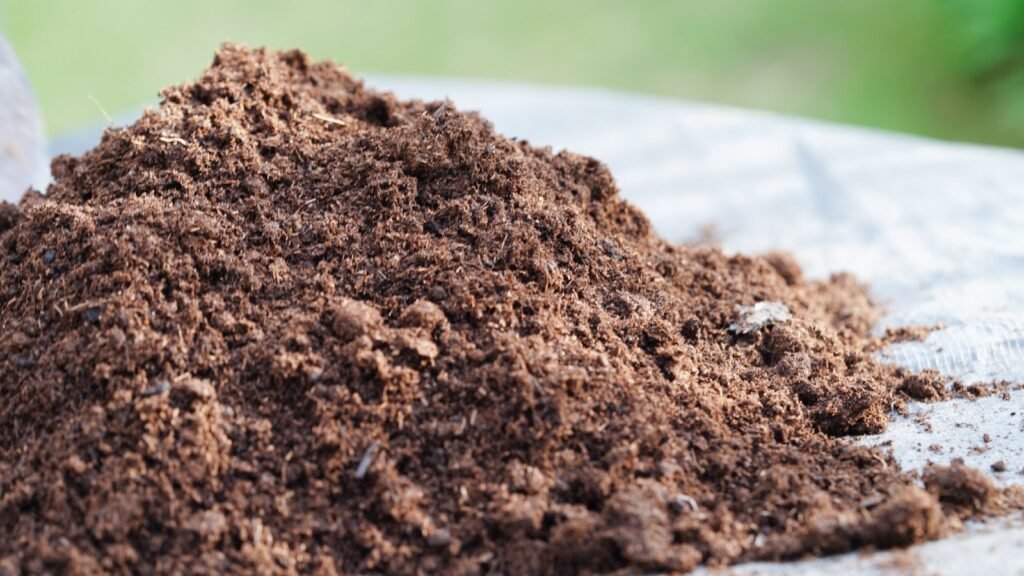
Effluent Treatment Plants (ETPs), municipal sewage treatment plants and Zero Liquid Discharge (ZLD) systems all generate wet solids that must be further dried. The objectives are the same in principle — reduce volume, improve handling, lower transport and disposal cost, and meet regulatory or recovery requirements — yet the sludge itself is not the same. […]
Best Dryer for Battery Materials (pCAM, NMC, LFP, Anode Materials)
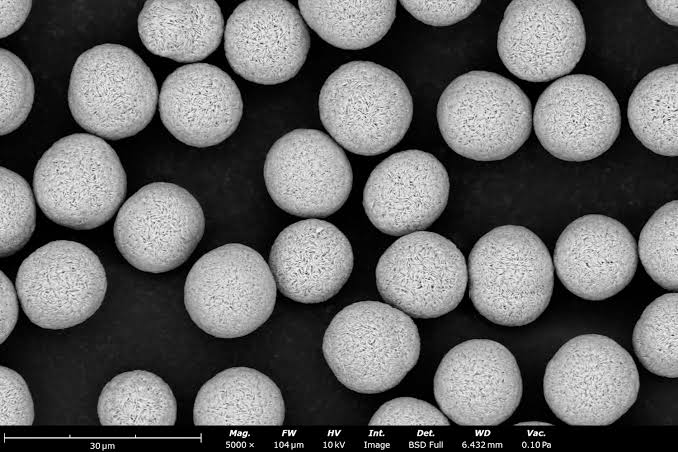
In lithium-ion battery manufacturing, drying is not a simple moisture-removal step. For precursor cathode active material (pCAM), NMC intermediates, LFP-related materials and certain anode powders, the dryer must deliver controlled residual moisture while protecting particle morphology, purity and, in many cases, oxidation state. Selecting the wrong dryer can introduce metallic contamination, collapse or agglomerate particles, […]
Direct vs Indirect Rotary Dryer: Pros, Cons & When to Choose Each
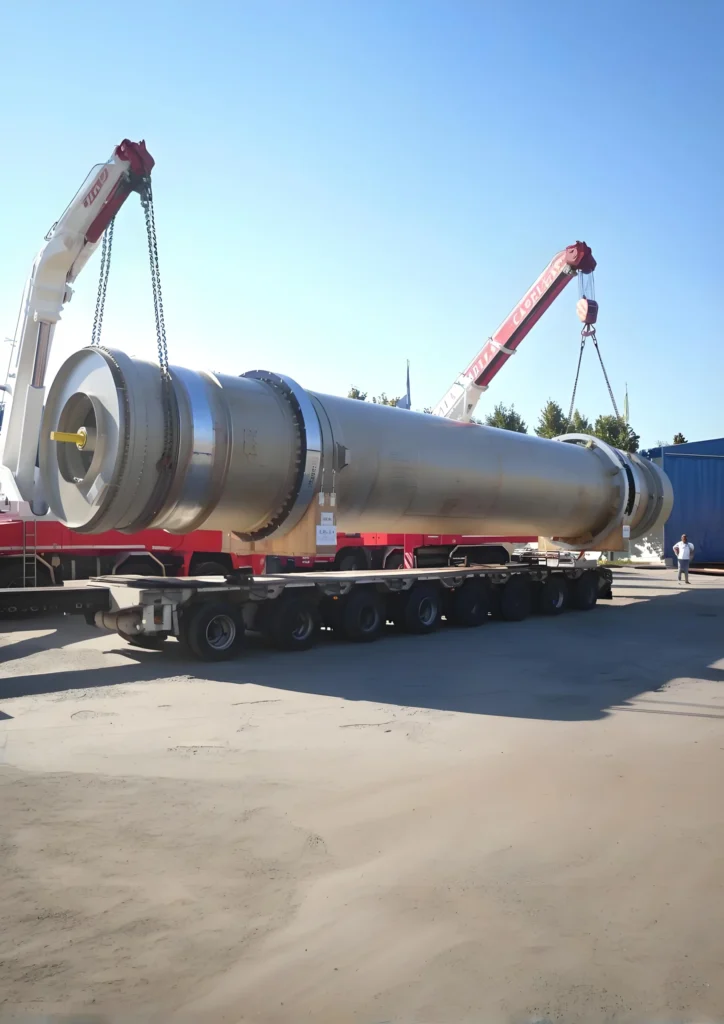
Rotary dryers are among the most widely used continuous systems for bulk solids, minerals, biomass, chemicals and many agricultural materials. Once a plant decides that a rotary dryer is the right technology family, a second critical choice appears: direct heating or indirect heating. The two configurations look similar from the outside — a rotating drum […]
Band Dryer vs Mesh Belt Dryer vs Vibratory Fluid Bed Dryer – Detailed Engineering Comparison
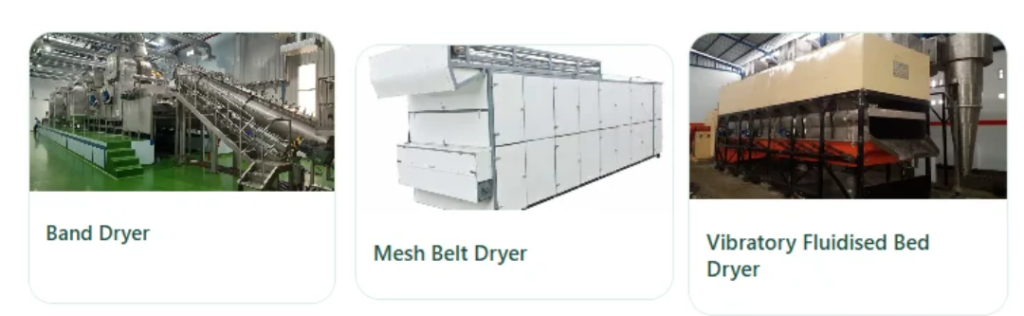
Band dryers, mesh-belt dryers and vibratory fluid-bed dryers (VFBD) are three continuous technologies frequently evaluated when plants need relatively gentle drying with good control of residence time and product temperature. They are not interchangeable. This page provides a practical engineering comparison so process teams can match the correct system to their feed and product requirements. […]
Industrial Dryer Selection Guide 2026: Matching Dryer Type to Material Moisture, Heat Sensitivity & Capacity
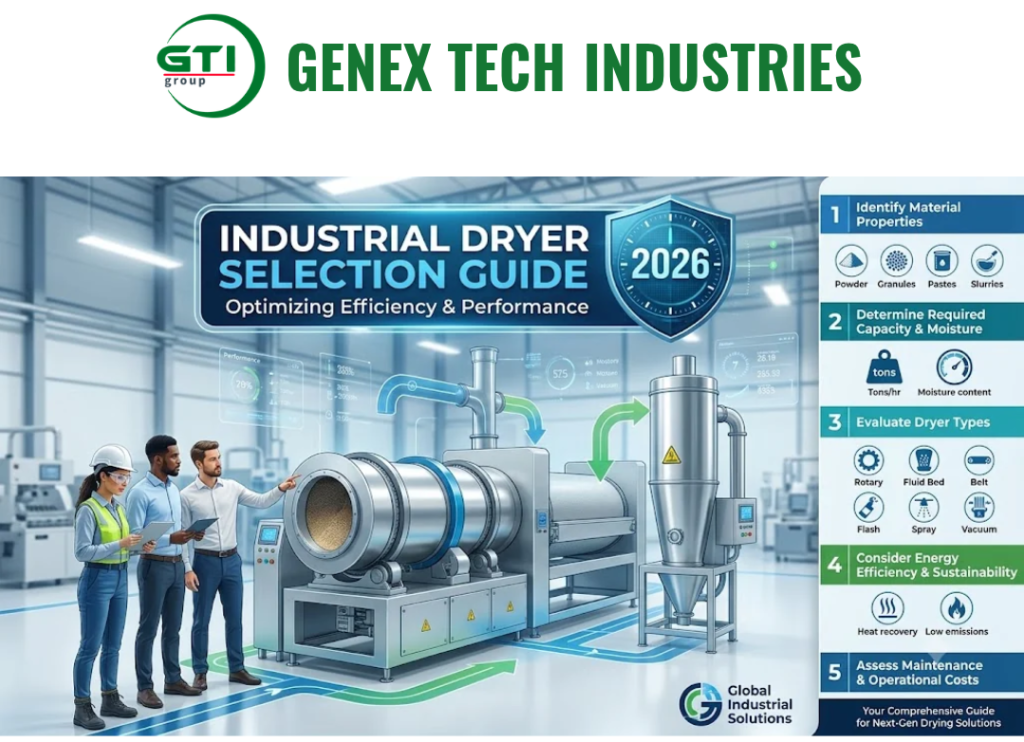
Choosing the right industrial dryer is rarely a matter of comparing nameplates. The correct technology is the one that reliably removes the required amount of moisture, respects the thermal limits of the product, and delivers the needed throughput — without creating new problems of attrition, stickiness, dust or excessive energy use. This 2026 selection guide […]
How to Select the Right Industrial Dryer: Complete Decision Guide Based on Feed Type
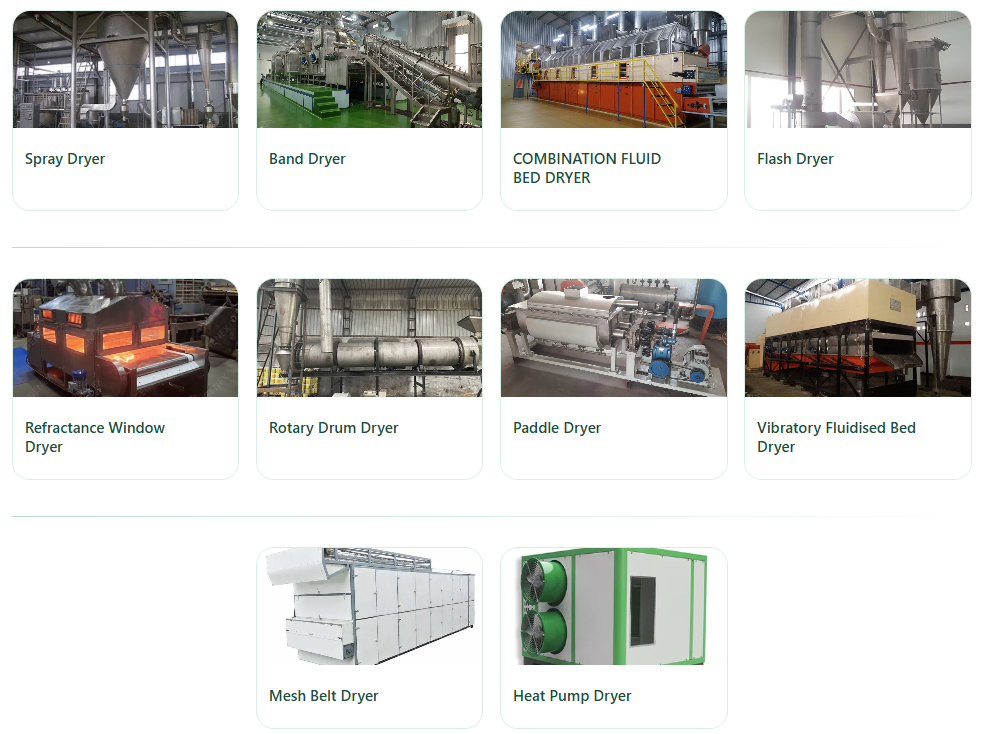
Selecting an industrial dryer is one of the highest-impact equipment decisions a process plant makes. The wrong choice does not merely cost more money — it creates ongoing operational problems: blockages, re-slurrying, product degradation, high energy use, dust issues or inability to meet residual-moisture specifications. The single most reliable way to avoid these problems is […]
Rotary Dryer vs Fluid Bed Dryer vs Band Dryer – Which One Should You Choose?
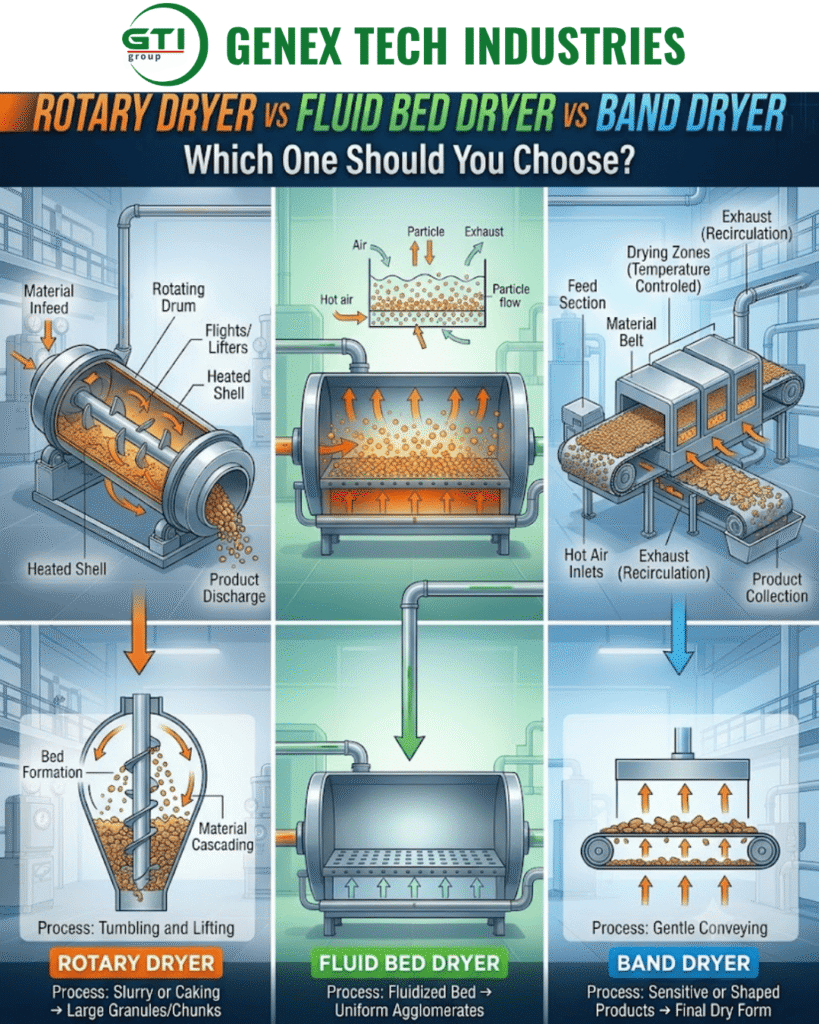
Rotary dryers, fluid-bed dryers and band (belt/mesh-belt) dryers are three of the most widely used continuous drying technologies in industry. All three can remove moisture from solids at industrial scale, yet they move the product, control residence time and protect product quality in fundamentally different ways. Selecting the wrong one produces uneven moisture, excessive fines, […]