
Continuous Mesh Belt Dryer Buying Guide: Energy Efficiency, Multi-Layer Design & Manufacturer Selection for Vegetables & Spices

Buyers evaluating continuous mesh-belt dryers for vegetable and spice lines typically face the same set of practical questions: continuous versus batch, single-layer versus multi-layer, which heat source, how temperature is controlled for quality retention, what throughput is realistic, and how to judge total cost of ownership and manufacturer capability. This guide answers those questions in […]
Top Belt Dryer Manufacturers in 2026: Global Leaders, Strengths & How to Choose for Food Processing
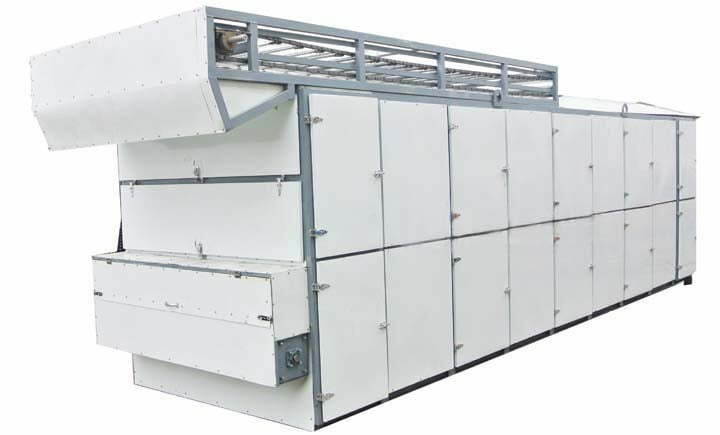
Buyers searching for the best belt dryer (also called band dryer, mesh-belt dryer or continuous conveyor dryer) manufacturers usually want two things: a realistic view of who supplies these systems globally, and a clear method to choose the right partner for food, spice, vegetable or agro processing. This page is written as a problem-solving guide. […]
How Continuous Belt Dryers Optimize Ginger, Garlic & Onion Dehydration: Process, Benefits & Buyer Guide
Industrial buyers searching for ginger, garlic or onion dehydration solutions face a clear production problem: how to convert high-moisture fresh produce into stable, export-grade slices, flakes or powder without destroying colour, flavour or active compounds, while achieving continuous capacity that sun drying and small tray systems cannot deliver. Ginger, garlic and onion are widely used […]
Industrial Rotary & Band Dryers for Biomass and Fiber-Based Materials
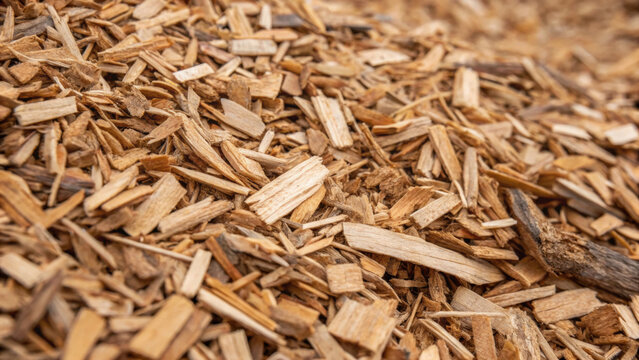
GTI Dryers (Genex Tech Industries) designs and manufactures advanced continuous drying systems—particularly rotary drum dryers and band/mesh-belt dryers—used by pulp-related biomass processors, renewable energy plants, agro-industries, and fiber-based material facilities around the world. The solutions stand out for several reasons: GTI systems deliver consistent high performance and stable moisture control throughout the process—not just peak […]
Why Your Spray Dryer is Producing Sticky Powder or Wall Deposits – Causes & Solutions
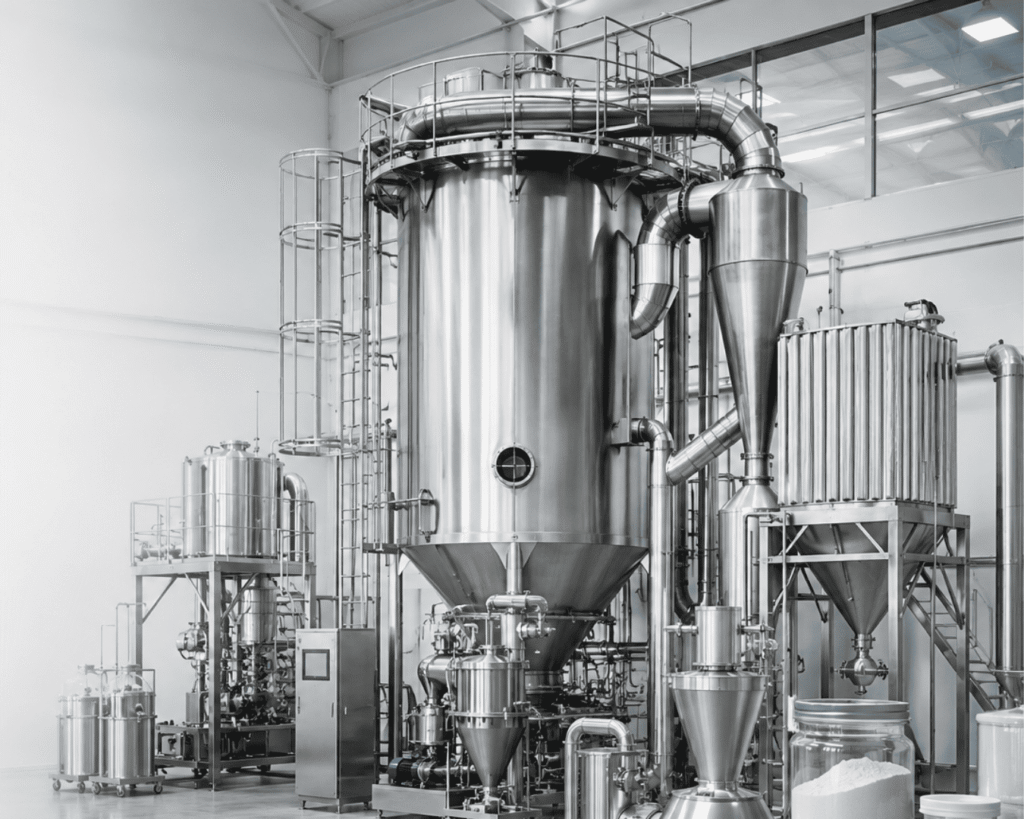
Sticky powder and chamber wall deposits are among the most common and costly operating problems in industrial spray dryers. They reduce effective capacity, increase cleaning frequency, create residual-moisture variation and can force higher operating temperatures that damage heat-sensitive products. From a process-engineering perspective these symptoms are rarely random. They usually result from a combination of […]
Common Problems in Industrial Dryers and How to Solve Them (Caking, Overheating, High Energy Use, Product Degradation)
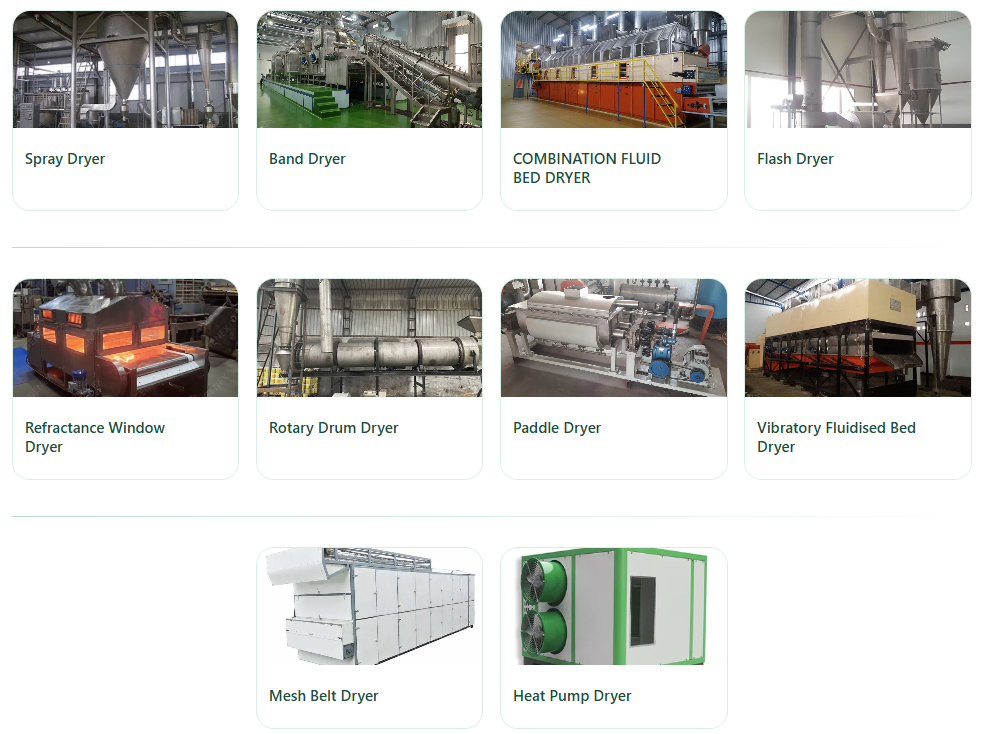
Industrial dryers are expected to deliver consistent residual moisture, stable product quality and predictable energy consumption. When they do not, the symptoms — caking, overheating, high energy bills or product degradation — are often treated as isolated equipment faults. In reality, most of these problems share common roots: feed–technology mismatch, incorrect operating parameters, poor moisture […]
Best Industrial Dryer for Tea Processing: CTC, Orthodox, Green & Specialty Tea
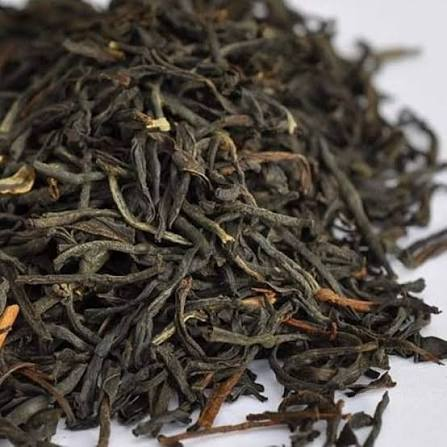
In tea manufacturing, drying is the stage that arrests oxidation (or completes enzyme deactivation in green tea), reduces moisture to a stable level, and locks in the colour, aroma and liquor characteristics expected by buyers. Typical final moisture targets for made tea are in the region of 2–3 %, but the exact specification depends on […]
Best Industrial Dryer for Heat-Sensitive Materials (Pharma, Enzymes, Herbal Extracts, Probiotics)

Heat-sensitive materials lose commercial value when drying conditions exceed their thermal or oxidative limits. Active pharmaceutical ingredients, enzymes, herbal extracts, probiotics and many nutraceutical ingredients require moisture or solvent removal while product temperature, residence time and atmosphere remain tightly controlled. There is no single “gentle” dryer that suits every heat-sensitive product. Selection must start from […]
Best Dryer for Sticky Filter Cakes, Pastes & High-Moisture Slurries
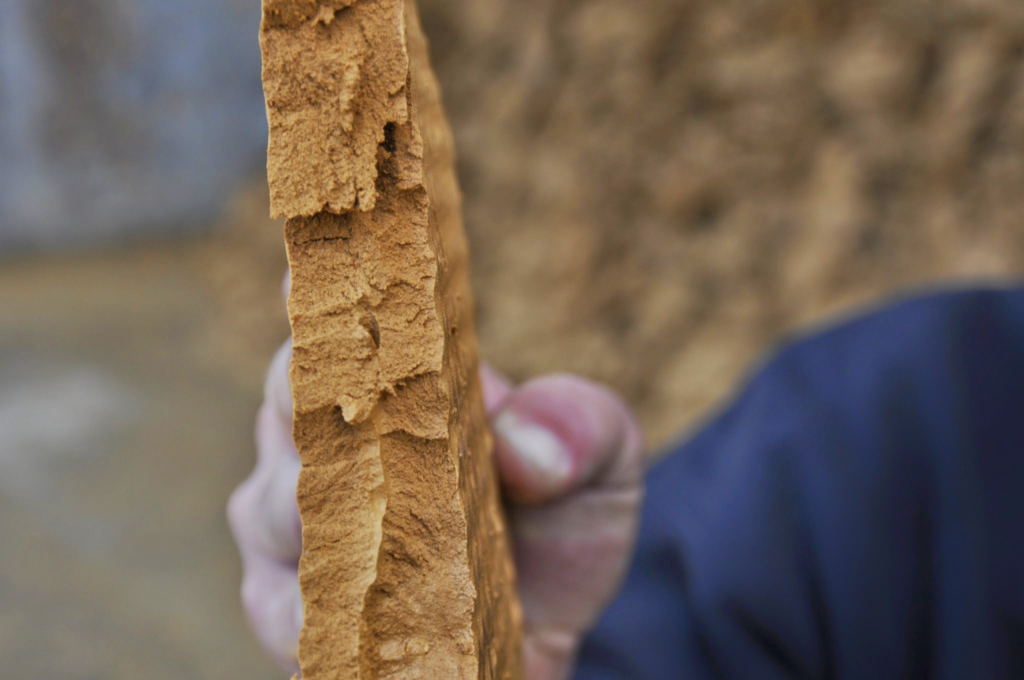
Sticky filter cakes, cohesive pastes and high-moisture slurries are among the most difficult feeds in industrial drying. They do not fluidise, they resist simple conveying, and they often contain enough free or bound water to create severe wall deposits if the wrong technology is applied. Many plants respond by adding water to turn a cake […]
Best Dryer for Chemical Industry: Pigments, Dyes, Salts & Inorganic Chemicals

In the chemical industry, drying is rarely a simple moisture-removal step. Pigments, dyes, industrial salts and bulk inorganic chemicals leave upstream processes as filter cakes, crystals, granules or slurries. The dryer must deliver a free-flowing powder with controlled residual moisture while protecting particle size, colour, purity and downstream handling properties. Selecting the wrong technology creates […]