
Vibratory Fluid Bed Dryer Air Flow and Heat Balance: Is Capacity Limited by Heat or Humidity? (Worked Example)
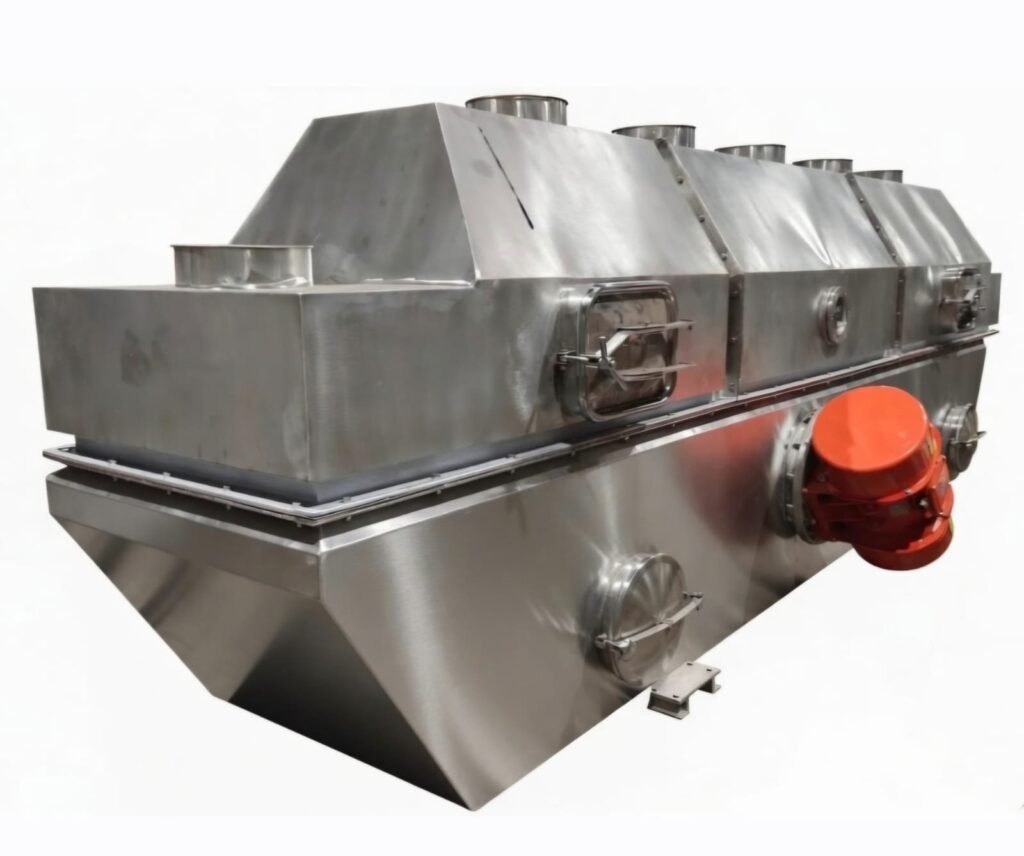
Short answer: In a vibratory fluid bed dryer, fluidisation sets the air volume: bed area multiplied by the chosen air velocity. Capacity is then limited either by the heat that air can carry in, or by the moisture it can carry out. In the worked example below, heat is the limit, so inlet temperature and […]
Pulsed Electric Field Pretreatment Before Drying: What 2025 Research Shows and What It Means for Dryer Selection
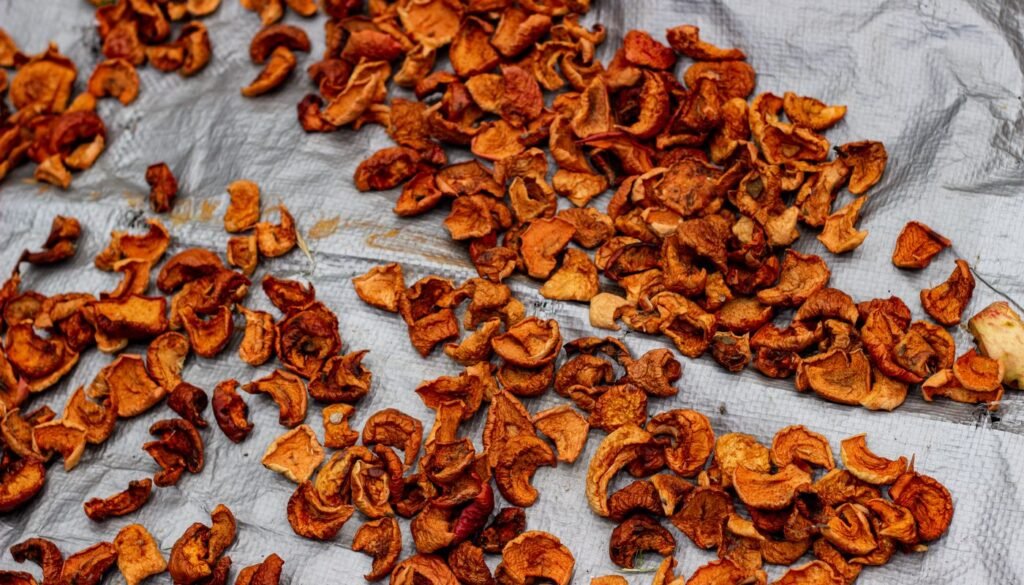
Short answer: Pulsed electric field (PEF) pretreatment passes very short, high-voltage pulses through fruit or vegetable tissue to open cell membranes before drying. Recent research shows that it can shorten hot-air drying time for some products, but the effect is not universal, depends on the product and drying temperature, and the pretreatment itself uses electrical […]
How to Run a Dryer Energy Audit: Measuring Specific Energy Consumption and Finding the Losses
Short answer: A dryer energy audit measures how much energy your dryer uses for each kilogram of water it removes, then splits that energy into the useful part (evaporating water) and the losses (hot exhaust, heating the product, heat lost through the dryer body, and losses in the steam or heater system). You need four […]
Drying with Geothermal, Solar and Waste Heat: Which Industrial Dryers Can Use Low-Temperature Heat?
Short answer: Geothermal hot water, solar-heated water and industrial waste heat can all run a dryer, but only a dryer that works at moderate air temperatures. These sources usually deliver heat below about 100°C, so they suit low-temperature convective dryers such as belt, band, tray and tunnel dryers for fruit, vegetables, herbs, seaweed, fish and […]