
ETP Sludge Dryer Machine Manufacturer Sri Lanka
Industrial wastewater treatment generates sludge that can retain a significant amount of moisture even after mechanical dewatering. For industries operating ETPs, this wet sludge can create challenges related to storage, transportation, handling, disposal and further treatment.
An industrial ETP sludge dryer provides a controlled thermal drying stage to remove additional moisture and produce a more stable, easier-to-handle material.
GTI Dryers designs and manufactures customized industrial sludge drying systems based on sludge characteristics, feed capacity, initial moisture, required final moisture and available heat source. GTI’s waste and environmental drying portfolio includes belt, rotary, fluidized-bed, paddle and flash drying technologies.
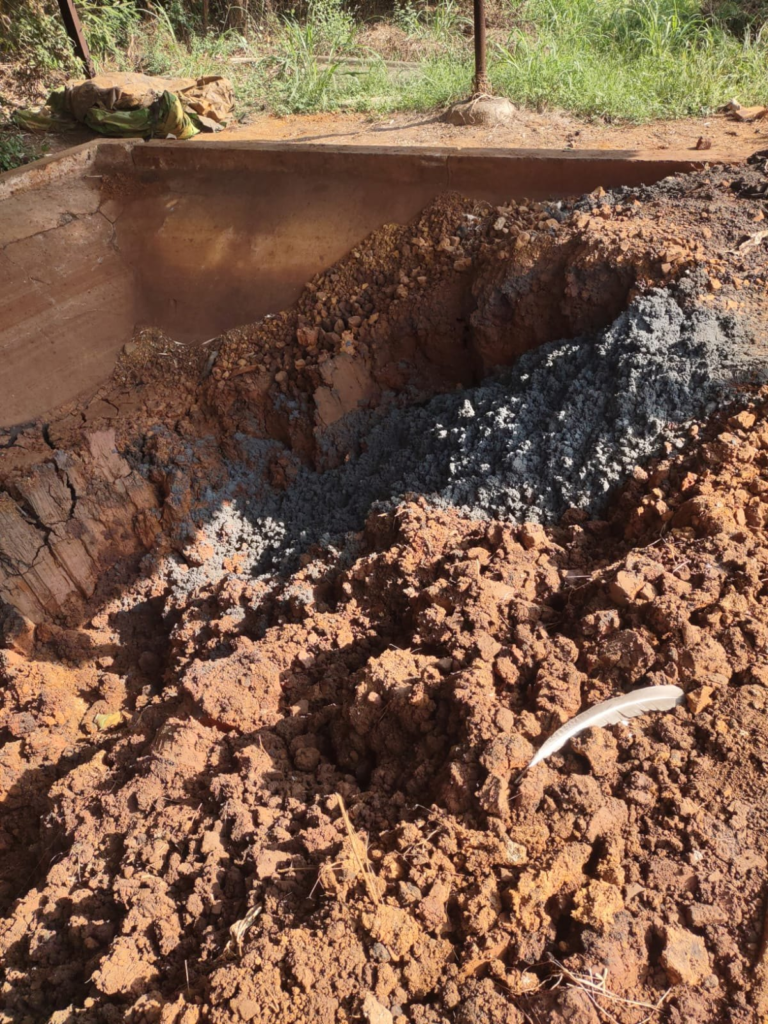
Why ETP Sludge Drying Is Important for Sri Lankan Industries
Sri Lankan industries with wastewater-treatment systems may need effective sludge-management solutions as part of their overall environmental and production processes.
Thermal sludge drying can help with:
- Moisture reduction
- Lower wet-sludge handling requirements
- Easier transportation and storage
- Improved solids handling
- More consistent downstream processing
- Potential recovery or reuse routes
- Reduced volume of material requiring final management
The Central Environmental Authority (CEA) regulates environmental protection in Sri Lanka under the National Environmental Act framework. CEA information also highlights the importance of controlling wastewater discharges, air emissions and waste disposal through appropriate environmental measures and Best Practicable Environmental Options/Best Available Technology.
The exact environmental requirements for an ETP sludge project depend on the industry, waste characteristics, location and intended final disposal or recovery route.
Industrial Applications for ETP Sludge Dryers in Sri Lanka
A customized sludge dryer can be evaluated for wastewater-treatment sludge generated by industries such as:
Food & Beverage Processing
Food-processing wastewater treatment can generate organic-rich sludge with high moisture content. Drying can improve handling and reduce the amount of wet material requiring transportation or further processing.
Textile Industry
Textile ETP sludge may contain fibres, dyes, chemicals and inorganic solids. Dryer selection should consider material composition, stickiness, heat sensitivity and exhaust requirements.
Rubber Industry
Rubber-processing wastewater can generate sludge with varying organic and inorganic characteristics. The appropriate drying technology depends on the actual sludge composition and moisture profile.
Tea & Agro-Processing
Agro-industrial wastewater treatment can produce high-moisture sludge or process residues. Drying may be considered where moisture reduction is required before further handling, disposal or recovery.
Chemical & Pharmaceutical Industry
Chemical and pharmaceutical ETP sludge can be complex and may contain inorganic compounds, process residues or other constituents. An enclosed and controlled drying system can be considered where appropriate.
Pulp & Paper Industry
Paper-mill sludge may contain cellulose fibres, fillers, clay, calcium carbonate and other process residues. Depending on its properties, paddle, belt, band or rotary drying can be evaluated.
Which Dryer Is Suitable for ETP Sludge?
There is no universal sludge dryer for every industrial application. Dryer selection should be based on feed behaviour, solids concentration, moisture, capacity and final requirements.
| Dryer Technology | Typical Consideration |
| Paddle Dryer | Sticky, pasty, filter-cake and difficult-to-handle sludge |
| Belt / Band Dryer | Continuous drying and high-volume applications |
| Rotary Dryer | Robust applications where the material characteristics permit |
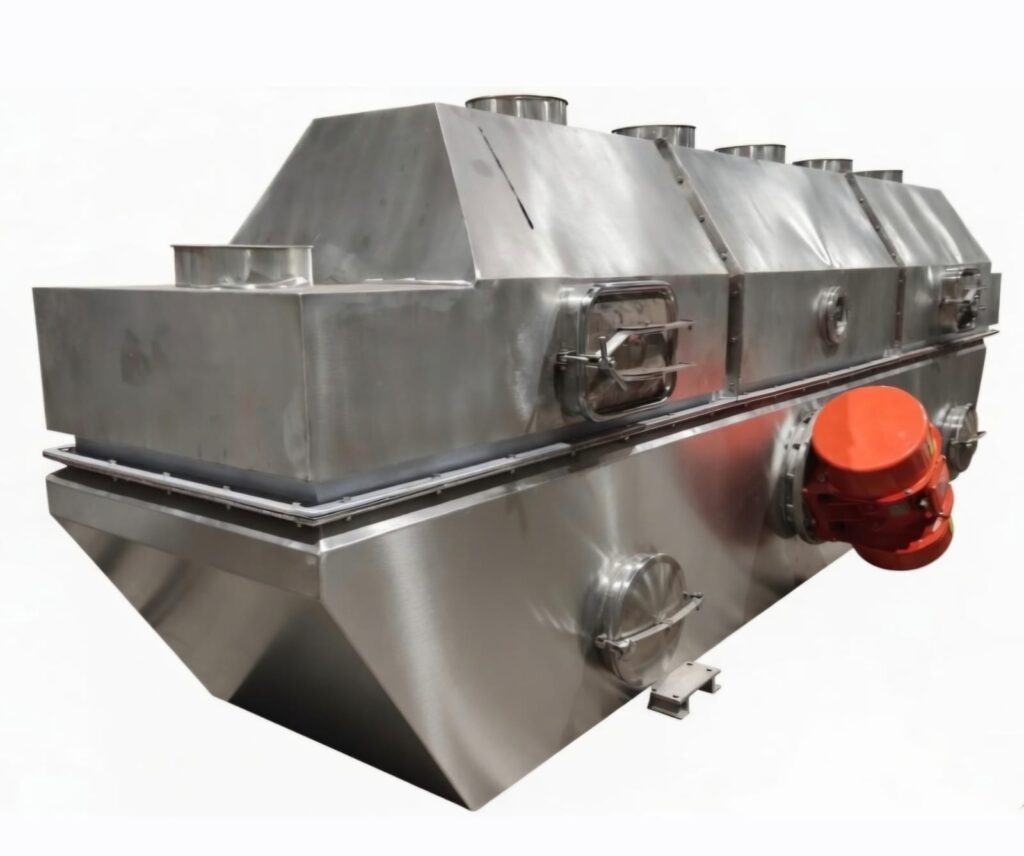
| Fluidized Bed Dryer | Free-flowing or suitably conditioned particulate material |
For sticky or pasty dewatered sludge, an indirect paddle dryer can be considered because heat is transferred through heated shafts and paddles while the material is continuously mixed.
GTI paddle dryers are designed for materials including wet cakes, filter cakes, slurries, pastes and industrial/ETP sludge.
How Does an ETP Sludge Dryer Work?
A typical industrial sludge-drying process can follow:
ETP → Sludge Separation → Mechanical Dewatering → ETP Sludge Dryer → Cooling → Storage → Recovery / Disposal
Mechanical dewatering may use a filter press, centrifuge, belt press or screw press before thermal drying.
The dryer then removes additional moisture using controlled thermal energy.
Depending on the sludge and project requirements, the complete system may include:
- Sludge feeding system
- Screw conveyors
- Dryer
- Heating system
- Vapour outlet
- Condenser
- Dust filtration
- Odour-control equipment
- Cooling system
- Automated temperature and moisture control
GTI’s environmental drying systems are designed around controlled temperature, airflow, residence time and material moisture characteristics.
Energy-Efficient Industrial Sludge Drying
Energy performance is an important consideration when designing an ETP sludge dryer because a large amount of thermal energy can be required to evaporate water.
GTI evaluates project-specific parameters such as:
- Wet sludge capacity
- Initial moisture percentage
- Target final moisture
- Water evaporation load
- Available heat source
- Operating hours
- Heat recovery possibilities
- Dryer residence time
- Insulation
- Vapour handling
- Automation requirements
For suitable sludge applications, indirect drying can provide controlled heat transfer with lower process-air requirements. GTI paddle dryers transfer heat through heated surfaces and can be integrated with vapour condensation and odour-control arrangements.
Actual energy consumption should always be calculated from the specific sludge and operating conditions rather than from a generic machine specification.
Sri Lanka Environmental Considerations for Industrial Sludge
When developing an ETP sludge drying project in Sri Lanka, the dryer should be considered as part of the overall environmental-management system rather than as an isolated machine.
The Central Environmental Authority maintains regulations covering environmental protection and industrial effluent quality management, including requirements associated with prescribed activities and environmental protection licensing.
Therefore, an industrial project should evaluate:
- Sludge source and composition
- Waste classification
- Industrial effluent characteristics
- Air emissions and vapour management
- Odour control
- Final sludge disposal or recovery
- Applicable Environmental Protection Licence requirements
- Site-specific environmental approvals
Industrial ETP sludge should not automatically be treated as municipal sewage sludge or assumed to be suitable for agricultural use. Its characteristics and final-use/disposal route must be assessed for the individual project.
Why Choose GTI Dryers for Sri Lanka?
GTI Dryers provides customized industrial drying solutions for demanding applications involving sludge, wet cakes, slurries, organic waste and other high-moisture materials.
GTI capabilities include:
- Industrial ETP sludge dryer design
- Paddle dryer systems
- Belt and band dryer systems
- Rotary drying systems
- Fluidized-bed drying systems
- Thermal calculations
- Dryer sizing and selection
- Process integration
- Automation and control
- Plant-layout support
- Installation and commissioning assistance
- Technical consultation
GTI’s waste and environmental drying systems are engineered for moisture reduction, improved handling, volume minimization and potential resource-recovery applications.
Engineered in India. Designed for Sri Lanka and the World.
Information Required for an ETP Sludge Dryer Quote
To evaluate an ETP sludge drying project in Sri Lanka, send GTI:
- Wet sludge capacity: kg/hr or tonnes/day
- Initial moisture: %
- Required final moisture: %
- Sludge source: food, textile, chemical, pharmaceutical, paper, rubber, etc.
- Feed condition: filter cake, paste, slurry or particulate
- Feed temperature: °C
- Available heat source: steam, thermal oil, hot air, waste heat, etc.
- Operating hours: hours/day
- Final disposal/recovery route
- Plant location in Sri Lanka
Using these details, GTI can evaluate the water evaporation load, thermal duty, dryer capacity and appropriate dryer configuration.
Sri Lanka Keywords
To target both international buyers and Sri Lankan industrial searches, the page can naturally incorporate English and local terminology.
English Keywords
- ETP sludge dryer Sri Lanka
- industrial sludge dryer Sri Lanka
- wastewater sludge dryer Sri Lanka
- ETP sludge drying system Sri Lanka
- industrial wastewater drying system Sri Lanka
- sludge drying equipment Sri Lanka
- industrial sludge dryer Colombo
- ETP sludge dryer manufacturer Sri Lanka
- wastewater treatment sludge dryer Sri Lanka
- industrial sludge drying system Sri Lanka
Sinhala Keywords
- කාර්මික මඩ වියළන යන්ත්රය
- අපජල මඩ වියළීම
- අපජල පිරිපහදු මඩ වියළන යන්ත්රය
- කාර්මික අපජල මඩ වියළන පද්ධතිය
Tamil Keywords
- தொழில்துறை கழிவு நீர் சேறு உலர்த்தி
- கழிவுநீர் சுத்திகரிப்பு சேறு உலர்த்தும் இயந்திரம்
- தொழில்துறை சேறு உலர்த்தும் அமைப்பு
FAQs – ETP Sludge Dryer Sri Lanka
What is an ETP sludge dryer?
An ETP sludge dryer is an industrial thermal drying system used to remove additional moisture from sludge generated during industrial wastewater treatment.
Which dryer is suitable for ETP sludge?
The suitable dryer depends on sludge properties. Paddle dryers can be considered for sticky or pasty sludge, while belt, band, rotary or fluidized-bed systems may be suitable for other material conditions.
Can GTI manufacture an ETP sludge dryer for Sri Lanka?
Yes. GTI Dryers designs customized industrial drying systems according to sludge capacity, moisture content, material characteristics, final moisture requirements and available heat sources.
Can an ETP sludge dryer handle chemical sludge?
Potentially, yes. Chemical sludge requires application-specific evaluation of composition, hazardous characteristics, temperature sensitivity and final disposal or recovery requirements.
What information is needed for a dryer quotation?
The most important information is wet sludge capacity, initial moisture, required final moisture, sludge type and available heat source. Additional information about feed condition and final disposal/recovery is also useful.
Get an ETP Sludge Dryer Solution for Your Sri Lanka Project
Planning an ETP sludge drying system in Sri Lanka?
Send GTI Dryers your wet sludge capacity, initial moisture, target final moisture, sludge type and available heat source.
Our engineering team can evaluate the application and recommend an appropriate paddle dryer, belt dryer, band dryer, rotary dryer or other drying configuration based on your process requirements.
GTI Dryers — Engineered Drying Solutions from India for Global Industries.
Contact GTI Dryers for technical consultation and a customized ETP sludge dryer proposal for Sri Lanka.