
ETP Sludge Dryer Machine Manufacturer in the Philippines
The Philippines has a diverse industrial sector covering food and beverage, chemicals, pharmaceuticals, palm and coconut processing, pulp & paper, textiles, mining, manufacturing and other process industries.
These industries can generate wastewater-treatment sludge containing a high percentage of moisture. After mechanical dewatering, thermal drying can be considered when further moisture reduction is required for transportation, storage, handling, recovery, thermal treatment or disposal.
GTI Dryers designs and manufactures customized industrial drying systems for ETP sludge, industrial wastewater sludge, sewage sludge and other high-moisture materials. Depending on the application, technologies include paddle, belt, band, rotary and fluidized-bed drying systems.
For a Philippine industrial project, the appropriate dryer should be selected based on the actual sludge characteristics, capacity, initial moisture, required final moisture, available heat source and final treatment objective.
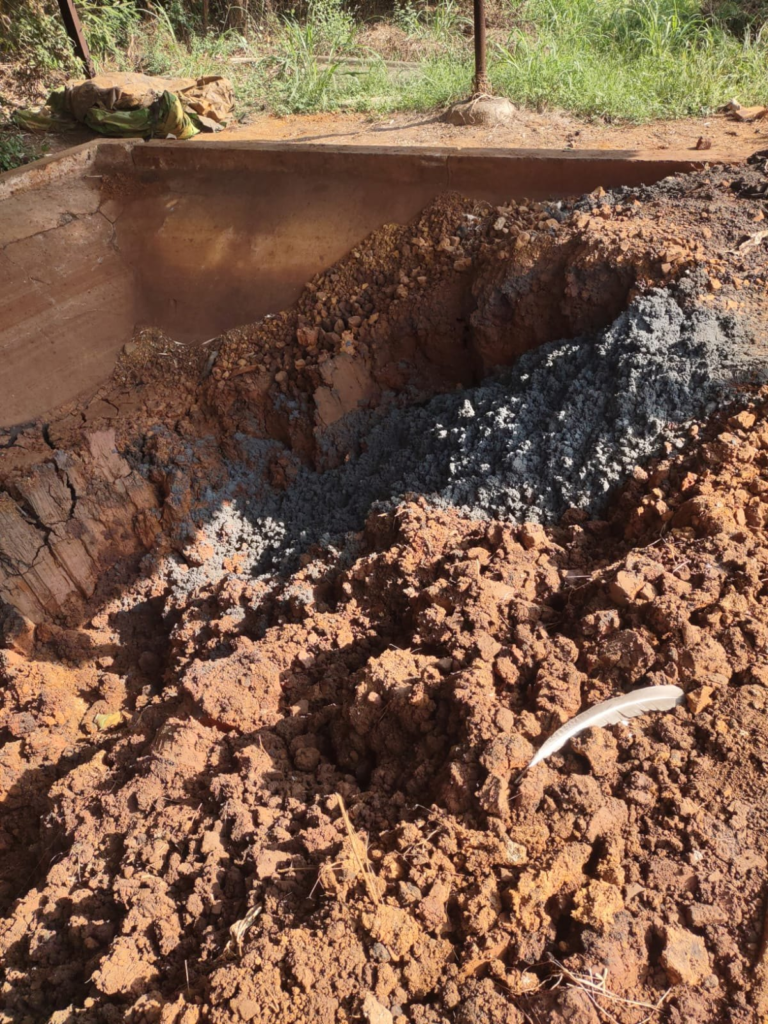
What Is an ETP Sludge Dryer?
An ETP sludge dryer is an industrial thermal drying system designed to remove residual moisture from sludge generated during an Effluent Treatment Plant or industrial wastewater treatment process.
A typical process is:
Industrial Wastewater → ETP → Sludge Separation → Mechanical Dewatering → ETP Sludge Dryer → Cooling → Storage / Recovery / Disposal
Mechanical dewatering may use:
- Filter press
- Centrifuge
- Belt press
- Screw press
The thermal dryer then removes additional water from the dewatered sludge to achieve the required final moisture.
The result can be a lighter, more stable and easier-to-handle material, depending on the final moisture requirement and downstream process.
Why ETP Sludge Drying Is Important in the Philippines
High-moisture sludge can create several challenges for industrial facilities:
- High transportation weight
- Large storage requirements
- Difficult handling
- Sticky or pasty material behaviour
- Variable moisture content
- Increased disposal requirements
- Odour-management challenges
- Difficulty feeding downstream thermal processes
- Limited opportunities for recovery or reuse
Thermal drying can reduce the amount of water contained in dewatered sludge and improve its handling characteristics.
For some projects, drying can also be evaluated as part of a broader waste minimization, resource recovery or energy-recovery strategy, depending on the composition and approved final management route.
ETP Sludge Dryer Technologies for the Philippines
There is no single dryer suitable for every type of ETP sludge. GTI evaluates the material characteristics and process requirements before recommending a drying technology.
1. Industrial Paddle Dryer for ETP Sludge
A paddle dryer can be considered for sticky, pasty, viscous and filter-cake-like sludge.
It uses indirect heat transfer through heated shafts and paddles while continuously mixing and conveying the material.
Key advantages
- Indirect heat transfer
- Enclosed drying process
- Efficient heat transfer
- Suitable for sticky and pasty materials
- Low process-air requirement
- Controlled moisture removal
- Steam or thermal-oil heating options
- Compact industrial configuration
GTI’s paddle dryers are designed for applications including ETP sludge, industrial sludge and hazardous slurry waste.

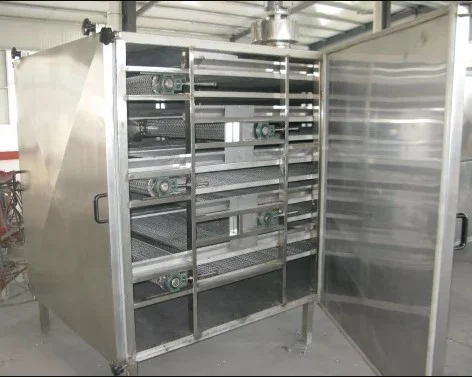
2. Belt / Band Sludge Dryer
A continuous belt or band dryer can be evaluated when dewatered sludge can be consistently fed and distributed across the drying surface.
Multiple drying zones can be designed to control:
- Temperature
- Airflow
- Residence time
- Moisture removal
- Final moisture
This configuration can be considered for continuous and higher-throughput industrial applications.
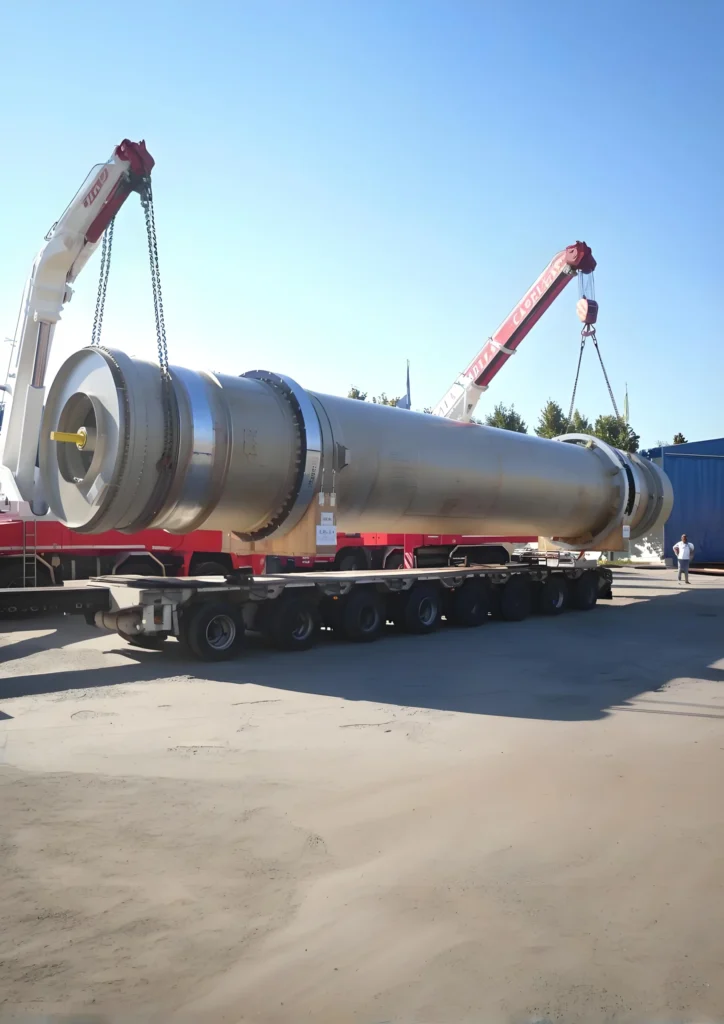
3. Rotary Sludge Dryer
A rotary dryer can be considered for robust continuous applications where the sludge characteristics allow effective conveying and drying.
The system can be engineered according to:
- Wet feed capacity
- Initial moisture
- Final moisture
- Material characteristics
- Heating method
- Residence time
- Exhaust requirements
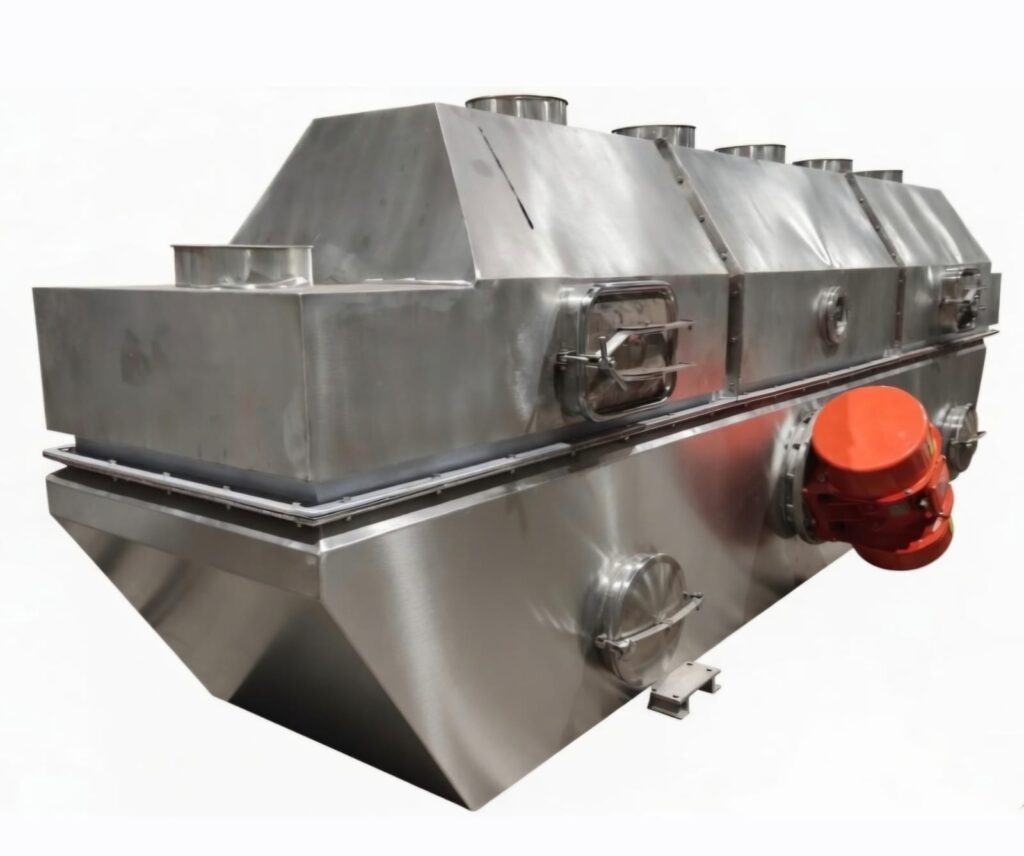
4. Fluidized Bed Dryer
A fluidized-bed dryer may be considered where the sludge has suitable particle characteristics or can be conditioned into a free-flowing form.
Potential benefits include:
- High heat-transfer rates
- Uniform drying
- Continuous operation
- Controlled moisture reduction
However, highly sticky or pasty ETP sludge should be evaluated before specifying this technology.
How Does an ETP Sludge Dryer Work?
A typical industrial process is:
Dewatered Sludge → Controlled Feeding → Thermal Drying → Moisture Evaporation → Vapour / Exhaust Treatment → Cooling → Dried Sludge Handling
1. Mechanical Dewatering
The sludge is first mechanically dewatered to reduce the water load entering the thermal dryer.
2. Controlled Feeding
A hopper, screw feeder, conveyor or suitable pumping system transfers the material to the dryer.
3. Thermal Drying
Heat is transferred directly or indirectly depending on the selected dryer technology.
4. Moisture Evaporation
Water is evaporated under controlled process conditions.
5. Vapour, Odour & Exhaust Management
Depending on the sludge composition, the system may require:
- Condenser
- Filtration
- Scrubber
- Odour-control system
- Dust-control system
- Exhaust treatment
6. Cooling & Discharge
The dried sludge can then be cooled and transferred to storage, recovery, thermal treatment or disposal.
How to Select an ETP Sludge Dryer in the Philippines
Selecting a sludge dryer based only on tonnes/day is not sufficient.
GTI recommends evaluating:
| Design Parameter | Why It Matters |
| Wet sludge capacity | Determines dryer throughput |
| Initial moisture | Determines evaporation load |
| Target final moisture | Determines drying duty |
| Sludge composition | Influences drying behaviour |
| Stickiness | Helps determine dryer technology |
| Feed condition | Determines feeding arrangement |
| Available heat source | Influences thermal design |
| Operating hours | Determines equipment sizing |
| Exhaust characteristics | Determines vapour treatment |
| Final treatment route | Defines target moisture |
| Plant space | Influences system layout |
| Automation level | Determines control requirements |
Important Engineering Point
There is no universal ETP sludge drying temperature, residence time or final moisture specification.
The actual operating conditions should be established from the sludge characteristics, production capacity and final treatment objective.
Where drying behaviour is uncertain, laboratory or pilot testing can help determine drying rate and thermal requirements.
Energy-Efficient Sludge Drying for Philippine Industry
Energy consumption is an important consideration in industrial sludge drying.
GTI can evaluate:
- Indirect heat transfer
- Heat recovery
- Optimized airflow
- Thermal insulation
- Residence-time control
- Automated temperature control
- Moisture monitoring
- Steam heating
- Thermal-oil heating
- Available waste-heat integration
- Vapour-management systems
For suitable sticky or pasty sludge, an indirect paddle dryer can be considered because heat is transferred through heated surfaces with relatively low process-air requirements.
Actual energy consumption should be calculated from the feed moisture, target moisture, throughput, evaporation load and available heat source.
ETP Sludge Dryer Applications in the Philippines
GTI drying systems can be evaluated for wastewater-treatment sludge generated by:
Food & Beverage Industry
Food-processing facilities can generate high-moisture organic wastewater sludge requiring further treatment or controlled handling.
Chemical Industry
Chemical plants may produce industrial sludge containing organic or inorganic process residues.
Pharmaceutical Industry
Pharmaceutical facilities can require controlled and enclosed processing of wastewater-treatment solids.
Palm & Coconut Processing
The Philippines has significant palm, coconut and food-processing activities where industrial wastewater treatment can generate high-moisture residues.
Textile Industry
Textile wastewater treatment can produce sludge containing fibres, dyes, pigments and other process residues.
Pulp & Paper Industry
Paper and pulp wastewater sludge can contain fibres, fillers, minerals and organic matter.
Mining & Mineral Processing
Mining and mineral-processing facilities can generate high-moisture residues that may require specialized drying or further processing.
General Manufacturing
Industrial manufacturing plants can generate ETP sludge through wastewater-treatment operations.
GTI’s environmental drying portfolio covers industrial sludge, chemical sludge, textile sludge, pharmaceutical sludge and food-processing sludge, with multiple drying technologies for different material characteristics.
Philippine Environmental & Waste-Management Considerations
An ETP sludge-drying project in the Philippines should begin with correct identification of the source, composition and applicable waste classification.
Philippine environmental regulation includes requirements administered through the Department of Environment and Natural Resources (DENR) and its Environmental Management Bureau (EMB). Industry-specific effluent standards and other environmental requirements continue to be part of the regulatory framework.
Project-specific considerations can include:
- Waste classification
- Applicable DENR/EMB requirements
- Environmental permitting
- Air emissions
- Odour control
- Dust management
- Exhaust treatment
- Worker safety
- Storage requirements
- Final recovery or disposal route
- Site-specific environmental controls
Industrial ETP sludge should not automatically be classified as hazardous or non-hazardous solely because it comes from an ETP. Its source, composition and applicable regulatory classification should be established for the individual project.
For Philippine installations, GTI provides the industrial drying equipment and process-engineering solution, while project-specific environmental approvals and compliance should be confirmed with the relevant Philippine authorities and qualified local environmental consultants.
Why Choose GTI Dryers for the Philippines?
GTI Dryers focuses on application-specific industrial drying engineering rather than supplying one standard machine for every sludge application.
GTI capabilities include:
- Customized ETP sludge dryer design
- Industrial paddle dryers
- Belt and band dryers
- Rotary dryers
- Fluidized-bed systems for suitable materials
- Dryer selection and sizing
- Heat and mass-balance evaluation
- Feeding and discharge integration
- PLC/HMI-based automation
- Plant layout support
- Installation and commissioning assistance
- International technical support
GTI’s waste-drying systems are designed around the customer’s material characteristics, moisture levels, throughput, heat source and final process requirements.
GTI Dryers
Engineered Drying Solutions from India for the Philippines & Global Industries
What Information Is Required for an ETP Sludge Dryer Quotation?
Philippine industrial buyers can send GTI:
- Wet sludge capacity: kg/hr or tonnes/day
- Initial moisture: %
- Required final moisture: %
- Sludge source: food, chemical, pharmaceutical, textile, paper, mining, etc.
- Sludge composition: if available
- Feed condition: slurry, filter cake, paste or granules
- Feed temperature
- Available heat source
- Operating hours/day
- Final recovery, treatment or disposal route
- Plant location in the Philippines
- Available installation space
- Required automation level
These parameters allow GTI engineers to evaluate the water evaporation load, thermal duty, dryer capacity and appropriate dryer configuration.
ETP Sludge Dryer Manufacturer Philippines – FAQs
Which dryer is suitable for ETP sludge in the Philippines?
The appropriate technology depends on moisture, composition, stickiness, feed condition, throughput and target final moisture. Paddle, belt/band and rotary dryers can be evaluated for different applications.
Is a paddle dryer suitable for sticky ETP sludge?
A paddle dryer can be suitable for many sticky, pasty and filter-cake-like materials because it provides indirect heat transfer with continuous mixing. Final selection should be based on actual material characteristics.
Can GTI Dryers manufacture ETP sludge dryers for the Philippines?
Yes. GTI Dryers designs and manufactures customized industrial drying systems for international projects, including industrial sludge and wastewater-treatment applications.
Can an ETP sludge dryer be installed after a filter press?
Yes. A typical arrangement can be:
ETP → Sludge Separation → Filter Press → Dewatered Sludge Cake → Thermal Dryer → Cooling → Final Handling
The dryer should be designed around the actual filter-cake properties.
Can waste heat be used for ETP sludge drying?
Potentially, yes. Existing process or waste heat can be evaluated according to its temperature, availability, consistency and integration requirements.
What information is needed for a sludge dryer quotation?
The most important starting information is wet-feed capacity, initial moisture, target final moisture, sludge type, feed condition, available heat source and final treatment/disposal route.
GTI Dryers
Are you planning an ETP sludge drying system in the Philippines for a food-processing plant, chemical factory, pharmaceutical facility, textile plant, paper mill, coconut-processing facility, mining operation or other industrial wastewater facility?
GTI Dryers can evaluate your application based on:
Sludge Type → Initial Moisture → Capacity → Evaporation Load → Heat Source → Final Moisture → Dryer Selection
Send GTI:
Wet Sludge Capacity + Initial Moisture + Target Final Moisture + Sludge Type + Available Heat Source
to begin a customized technical evaluation and quotation.
GTI Dryers
Industrial Sludge Drying Systems | Paddle Dryers | Belt & Band Dryers | Rotary Dryers
Engineered in India. Designed for the Philippines and the World.