
ETP Sludge Dryer Machine Manufacturer in Japan
Japan’s advanced manufacturing sector generates wastewater sludge from industries including chemicals, pharmaceuticals, food processing, textiles, pulp & paper, electronics and other industrial operations.
Because sludge normally contains a substantial amount of water, simply dewatering it may not be sufficient for every disposal, recovery or downstream treatment requirement.
An industrial ETP sludge dryer can provide additional thermal moisture removal after mechanical dewatering, helping reduce sludge weight and volume while improving handling, storage and downstream processing.
GTI Dryers designs and manufactures customized industrial drying systems for ETP sludge, industrial sludge, sewage sludge and other high-moisture materials. GTI’s waste-drying portfolio includes paddle, belt, rotary and fluidized-bed drying technologies, selected according to the application.
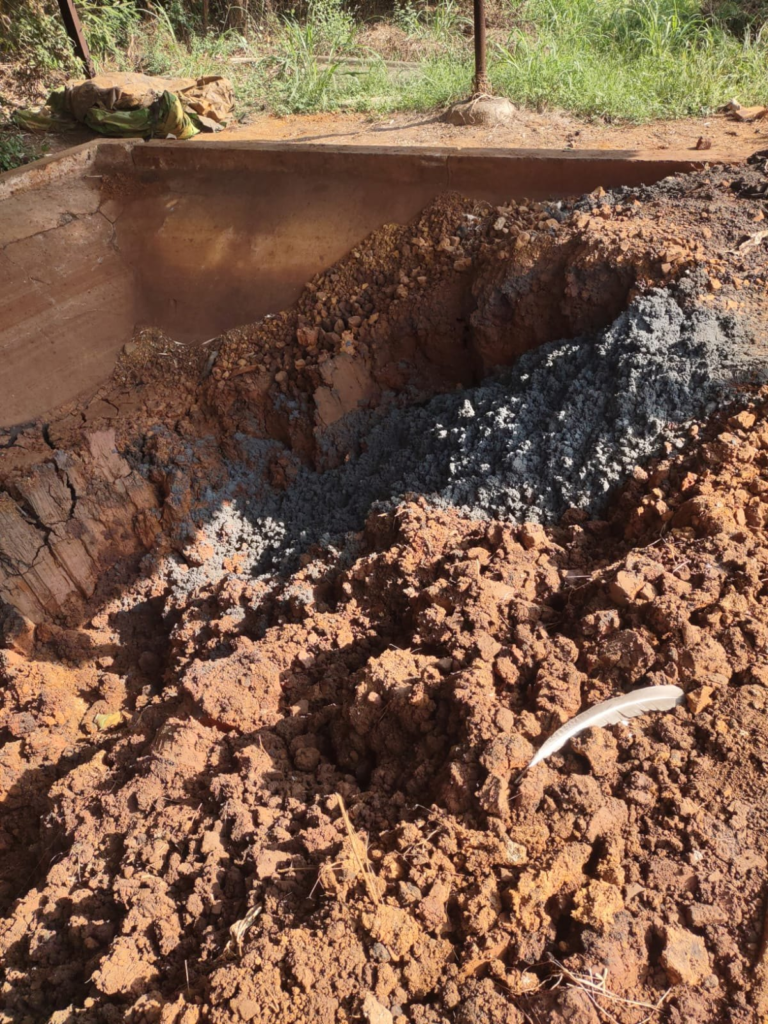
Why ETP Sludge Drying Matters for Japan
Japan has a strong focus on resource circulation, waste reduction and efficient wastewater management.
Japan’s Ministry of Land, Infrastructure, Transport and Tourism (MLIT) is currently promoting greater utilization of sewage-sludge resources, including fertilizer applications and resource-recovery projects. Its current guidance also identifies drying and other treatment routes as part of sludge-resource utilization.
The Ministry of the Environment reports that Japan’s sewage sludge is already utilized in several forms, including fertilizer, energy, cement raw materials and construction materials.
For industrial ETP sludge, the appropriate treatment route depends on its specific composition and classification.
Industrial sludge drying can help with:
- Moisture reduction
- Sludge volume reduction
- Lower transportation weight
- Easier storage and handling
- More consistent downstream feed
- Preparation for thermal treatment
- Potential resource or energy recovery
- Improved process control
What Is an ETP Sludge Dryer?
An ETP sludge dryer is an industrial thermal drying machine designed to remove residual moisture from sludge produced during an Effluent Treatment Plant.
A typical process is:
Industrial Wastewater → ETP → Sludge Separation → Mechanical Dewatering → ETP Sludge Dryer → Cooling → Storage / Recovery / Disposal
Mechanical dewatering can first be performed using equipment such as:
- Filter press
- Centrifuge
- Belt press
- Screw press
The thermal dryer then removes additional moisture according to the required final specification.
Industrial ETP Sludge Dryer Technologies for Japan
Different sludge properties require different drying technologies. GTI evaluates the material before recommending the dryer configuration.
1. Paddle Dryer for ETP Sludge
An indirect paddle dryer can be particularly suitable for sticky, pasty or filter-cake-like sludge.
Heated shafts and paddles transfer heat to the sludge while continuously mixing and conveying the material.
Advantages
- Indirect heat transfer
- Enclosed operation
- Efficient heat transfer
- Suitable for sticky sludge
- Low process-air requirement
- Controlled drying
- Potential integration with steam or thermal oil
GTI specifically identifies ETP sludge and industrial sludge as paddle-dryer applications.
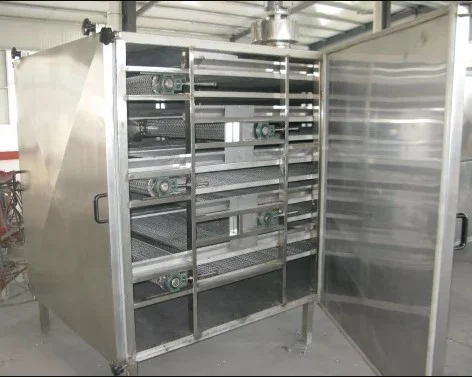
2. Belt / Band Sludge Dryer
A continuous belt or band dryer can be considered for large-volume sludge applications where consistent feeding and distribution are possible.
Multiple drying zones can be designed to control:
- Temperature
- Airflow
- Residence time
- Moisture removal
- Final moisture
This approach can be suitable where continuous processing is required.
3. Rotary Sludge Dryer
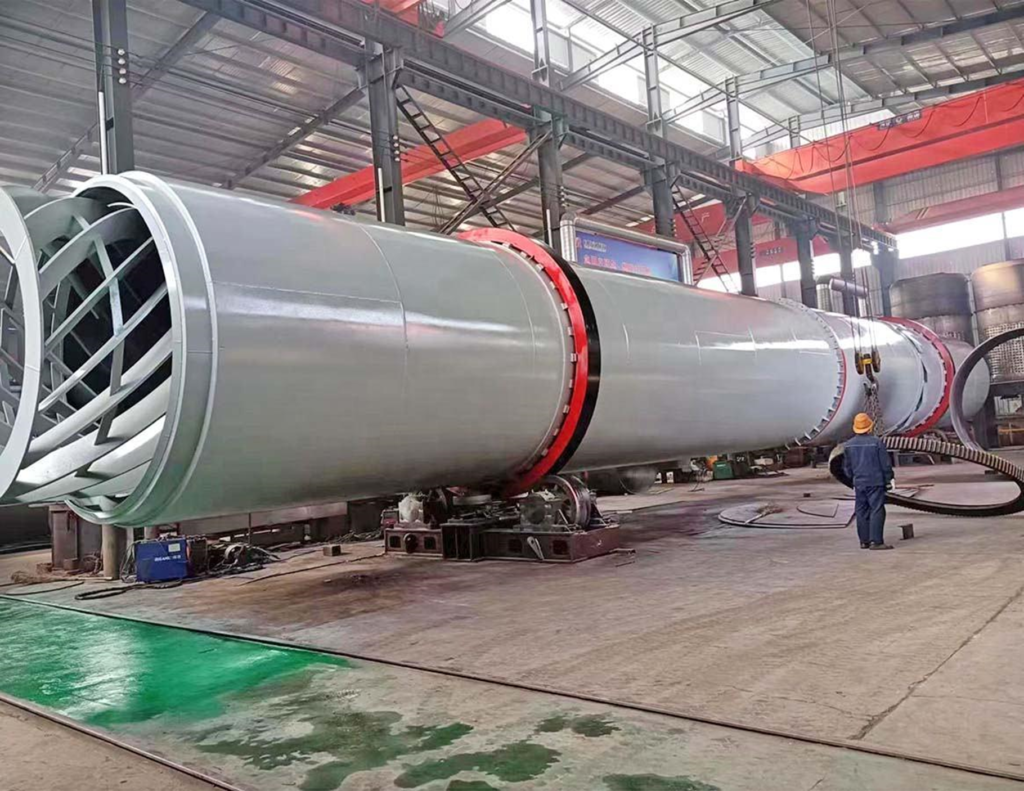
A rotary dryer can be evaluated for robust, high-throughput sludge applications.
The material moves continuously through a rotating drying chamber while heat is transferred through the process gas.
Rotary dryers are generally considered where the sludge characteristics and throughput make this configuration appropriate.
4. Fluidized Bed Dryer
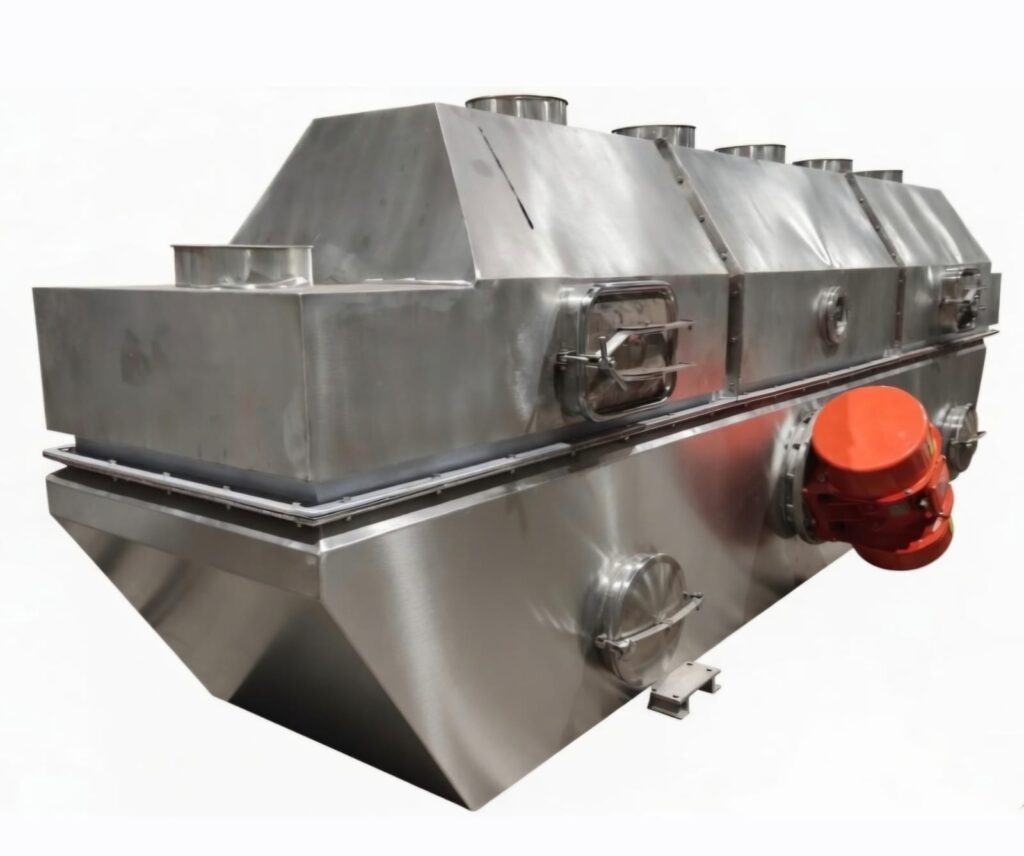
A fluidized-bed dryer can be considered when the sludge has suitable particle characteristics or has been conditioned into a free-flowing form.
Potential advantages include:
- High heat-transfer rates
- Uniform drying
- Continuous operation
- Controlled final moisture
Highly sticky sludge should be evaluated before selecting this technology.
How Does an ETP Sludge Dryer Work?
The basic process is:
Dewatered Sludge → Controlled Feeding → Thermal Drying → Moisture Evaporation → Vapour Treatment → Cooling → Dried Sludge
1. Dewatering
Mechanical dewatering reduces the free-water content before thermal drying.
2. Feeding
A suitable screw feeder, hopper, conveyor or pump transfers the material to the dryer.
3. Thermal Drying
Heat is transferred either directly or indirectly, depending on the selected dryer.
4. Moisture Evaporation
Water is evaporated under controlled process conditions.
5. Vapour & Odour Management
Depending on the sludge composition, the system may require condensation, filtration, scrubbing or odour-control equipment.
6. Cooling & Discharge
The dried material can be cooled and transferred to storage or the next treatment stage.
How to Select an ETP Sludge Dryer in Japan
A dryer should be sized from actual process data rather than only tonnes/day.
| Parameter | Importance |
| Wet sludge capacity | Determines throughput |
| Initial moisture | Determines evaporation load |
| Target final moisture | Determines drying duty |
| Sludge composition | Influences drying behaviour |
| Stickiness | Influences dryer selection |
| Feed form | Determines feeding system |
| Heat source | Determines thermal configuration |
| Operating hours | Determines capacity |
| Exhaust characteristics | Determines vapour treatment |
| Final treatment route | Determines moisture target |
| Available space | Influences plant layout |
| Automation requirement | Determines control system |
Important Engineering Point
There is no universal ETP sludge drying temperature or final moisture level.
Actual drying conditions should be established from the sludge characteristics, production capacity, heat source and final application.
Where necessary, laboratory or pilot testing can help determine drying behaviour and thermal requirements. GTI’s engineering approach includes evaluation of moisture, capacity, material behaviour and utilities before final equipment selection.
Energy-Efficient ETP Sludge Drying for Japan
Energy efficiency is particularly important for industrial thermal drying.
GTI can evaluate the complete thermal process, including:
- Heat-transfer efficiency
- Heat recovery
- Indirect heating
- Airflow optimization
- Insulation
- Residence-time control
- Moisture monitoring
- Automated temperature control
- Steam integration
- Thermal-oil integration
- Available waste-heat sources
For sticky sludge, an indirect paddle dryer can reduce the need for large volumes of process air and provide enclosed heat transfer.
The actual energy requirement should always be calculated from the water evaporation load and available heat source, rather than using a generic energy figure.
ETP Sludge Dryer Applications in Japanese Industries
GTI’s industrial drying technologies can be evaluated for:
Chemical Industry
For chemical wastewater-treatment sludge and process residues.
Pharmaceutical Industry
For controlled drying of wastewater-treatment solids and difficult filter cakes.
Food Processing
For high-moisture organic wastewater sludge.
Textile Industry
For sludge containing fibres, dyes, pigments and other process residues.
Pulp & Paper
For fibre-rich wastewater sludge and paper-processing residues.
Electronics & Advanced Manufacturing
For selected industrial wastewater-treatment solids, subject to composition and process evaluation.
Sludge Drying and Resource Recovery in Japan
Japan is increasingly developing approaches that treat wastewater sludge as a potential resource rather than only a disposal material.
MLIT’s current program promotes the expanded use of sewage-sludge resources as fertilizer and supports analysis, project development and resource-utilization initiatives.
A possible treatment chain can therefore be:
Wastewater Treatment
↓
Sludge Separation
↓
Mechanical Dewatering
↓
Industrial Sludge Dryer
↓
Dried Sludge
↓
Recovery / Thermal Treatment / Disposal
Drying does not automatically make every sludge suitable for reuse. The composition, contaminants, applicable regulations and final-use requirements must be evaluated before selecting the downstream route.
Japanese Environmental & Waste-Management Considerations
Japan’s waste-management framework includes the Waste Management and Public Cleansing Law and other environmental legislation governing waste treatment and recycling.
For an industrial ETP sludge project, important considerations can include:
- Sludge classification
- Waste-management requirements
- Air emissions
- Odour control
- Dust control
- Worker safety
- Exhaust treatment
- Final disposal route
- Resource-recovery requirements
- Local and facility-specific environmental requirements
Industrial ETP sludge should not automatically be treated as municipal sewage sludge. Its composition and regulatory status must be established for the individual facility.
Why Choose GTI Dryers for Japan?
GTI Dryers focuses on customized industrial drying engineering rather than a one-size-fits-all dryer.
GTI capabilities include:
- ETP sludge dryer design
- Industrial paddle dryers
- Belt and band dryers
- Rotary dryers
- Fluidized-bed systems for suitable materials
- Dryer selection and sizing
- Heat and mass-balance evaluation
- Feeding and discharge integration
- Automation and process control
- Plant layout support
- Installation and commissioning assistance
- International technical support
GTI’s waste and environmental drying portfolio is designed for sludge and other high-moisture waste streams.
GTI Dryers
Engineered Drying Solutions from India for Japan & Global Industries
What Information Is Required for an ETP Sludge Dryer Quote?
For a Japanese industrial project, send GTI the following:
- Wet sludge capacity: kg/hr or tonnes/day
- Initial moisture: %
- Required final moisture: %
- Sludge source: chemical, pharmaceutical, food, textile, paper, etc.
- Sludge composition: if available
- Feed condition: slurry, filter cake, paste or granules
- Feed temperature
- Available heat source
- Operating hours/day
- Final disposal or recovery route
- Plant location in Japan
- Available installation space
- Required automation level
This information helps GTI estimate the water evaporation load, thermal duty, dryer capacity and appropriate technology.
ETP Sludge Dryer Manufacturer Japan – FAQs
Which dryer is suitable for ETP sludge in Japan?
The answer depends on moisture, composition, stickiness, capacity and final moisture requirements. Paddle, belt/band and rotary dryers can be evaluated for different applications.
Is a paddle dryer suitable for ETP sludge?
A paddle dryer can be suitable for many sticky, pasty and filter-cake-like sludge materials because it provides indirect heat transfer and continuous mixing. Material evaluation is recommended before final selection.
Can GTI Dryers supply ETP sludge dryers for Japan?
GTI Dryers designs and manufactures customized industrial drying systems for international applications, including industrial and wastewater sludge drying.
Can the sludge dryer be installed after a filter press?
Yes. A common process is:
ETP → Sludge Separation → Filter Press → Dewatered Cake → Thermal Dryer → Cooling → Final Handling
The dryer should be designed around the actual filter-cake characteristics.
How can energy consumption be reduced?
Heat recovery, indirect heating, insulation, optimized airflow, residence-time control and integration with available plant heat sources can be evaluated according to the application.
What information does GTI need for a quotation?
Wet-feed capacity, initial moisture, target final moisture, sludge type, feed condition, available heat source and final treatment/disposal route are the most important starting parameters.
Get an ETP Sludge Dryer Proposal from GTI Dryers
Are you planning an ETP sludge drying system in Japan for a chemical plant, pharmaceutical facility, food-processing plant, textile factory, paper mill or other industrial wastewater facility?
GTI Dryers can evaluate your application based on:
Sludge Type → Moisture → Capacity → Evaporation Load → Heat Source → Final Moisture → Dryer Selection
Send your wet sludge capacity, initial moisture and target final moisture to GTI Dryers for a customized technical evaluation and quotation.
GTI Dryers
Industrial Sludge Drying Systems | Paddle Dryers | Belt & Band Dryers | Rotary Dryers
Engineered in India. Designed for Japan and the World.