
ETP Sludge Dryer Machine Manufacturer in Germany
Germany has a highly developed industrial and wastewater-treatment sector, with strong demand for energy-efficient, controlled and application-specific drying technologies.
Industries such as chemicals, pharmaceuticals, food processing, textiles, pulp & paper and other manufacturing sectors generate wastewater sludge that can contain substantial amounts of moisture. After mechanical dewatering, further thermal drying may be required to reduce moisture, weight and volume or to prepare the material for downstream treatment, recovery or disposal.
GTI Dryers designs and manufactures customized industrial sludge drying systems for applications including ETP sludge, industrial wastewater sludge, sewage sludge and difficult-to-handle process solids. Its drying portfolio includes paddle, belt, band, rotary and other application-specific technologies.
The right dryer for Germany should be selected from actual sludge characteristics, evaporation load, capacity, available heat source and final treatment objective rather than simply choosing a standard machine.
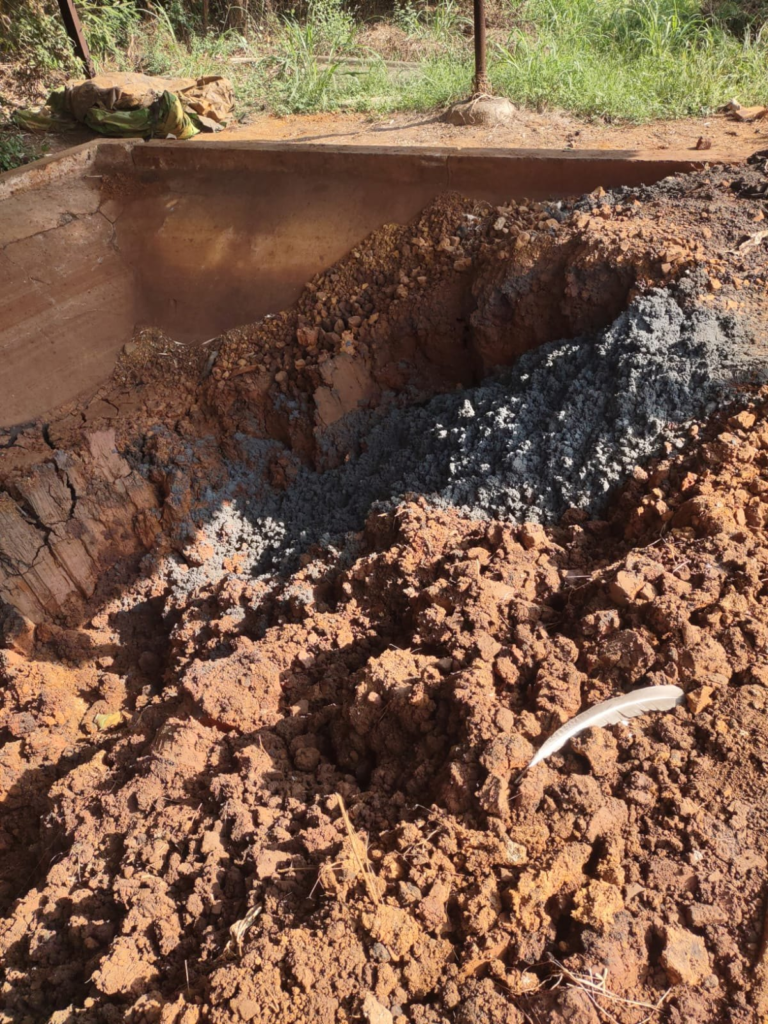
What Is an ETP Sludge Dryer?
An ETP sludge dryer is an industrial thermal drying system designed to remove residual moisture from sludge generated during industrial wastewater treatment.
A typical process is:
Industrial Wastewater → ETP → Sludge Separation → Mechanical Dewatering → ETP Sludge Dryer → Cooling/Handling → Recovery, Treatment or Disposal
Mechanical equipment such as a filter press, centrifuge, belt press or screw press can first reduce free water. Thermal drying then removes additional moisture to reach the required final specification.
The result can be a significantly lighter and more manageable solid material.
Why ETP Sludge Drying Is Important for German Industry
High-moisture sludge can create several challenges:
- High transportation weight
- Large storage requirements
- Difficult material handling
- Variable moisture content
- Disposal costs
- Sticky or pasty material behaviour
- Odour and storage issues
- Difficulty integrating sludge with downstream thermal processes
Drying can help reduce the amount of water transported and handled while producing a more consistent material for the next stage.
Germany’s broader sewage-sludge management sector is also increasingly focused on thermal utilization and phosphorus recovery. According to Germany’s Federal Environment Agency (UBA), approximately 82% of municipal sewage sludge was thermally utilized in 2024.
For industrial ETP sludge, however, the appropriate treatment and regulatory route depends on the actual composition and classification of the sludge.
Industrial Sludge Dryer Technologies for Germany
Different sludge properties require different drying technologies.
1. Paddle Dryer for ETP Sludge
An industrial paddle dryer is particularly suitable for evaluating sticky, pasty, filter-cake-like or difficult-to-handle materials.
The system uses indirect heat transfer through heated surfaces and paddles, while continuous mixing exposes new material to the heated surfaces.
Key advantages
- Indirect heating
- Enclosed processing
- Good heat transfer
- Suitable for sticky materials
- Lower process-air requirement
- Controlled drying
- Potential integration of steam, thermal oil, hot water or other heat sources
GTI specifically positions its paddle dryers for ETP sludge, industrial sludge, sewage sludge and other difficult-to-dry materials.
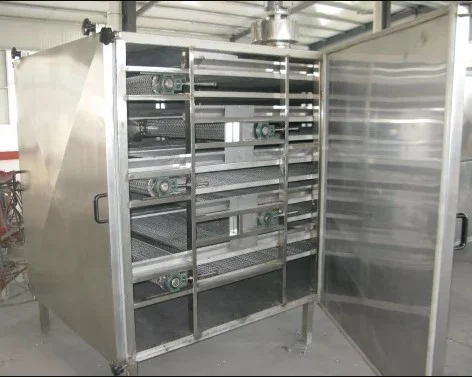
2. Belt / Band Dryer
A continuous belt or band dryer can be considered for sludge applications where the material can be distributed consistently across the drying belt.
The dryer can be designed with multiple drying zones to control:
- Temperature
- Airflow
- Residence time
- Moisture removal
- Final product condition
This technology can be particularly relevant for large continuous processing requirements.
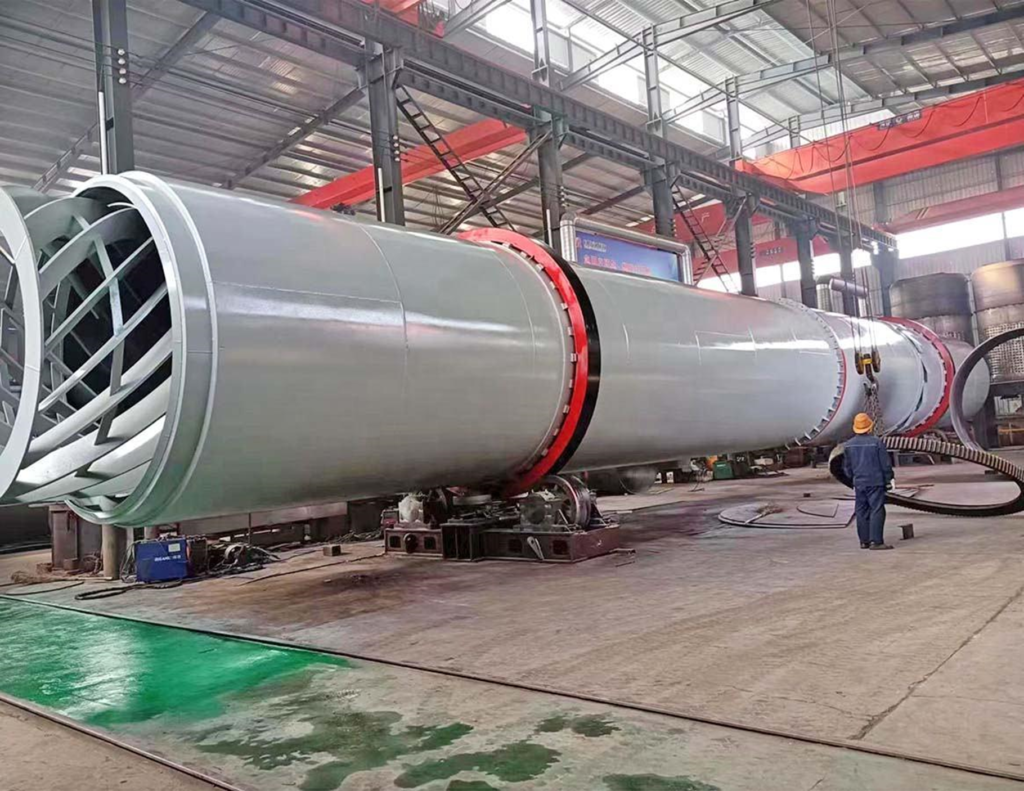
3. Rotary Sludge Dryer
A rotary dryer can be evaluated for robust, continuous, high-throughput applications where the sludge characteristics permit effective conveying and drying.
Rotary systems are often considered when the project requires a heavy-duty dryer for large material flows.
Final selection should depend on sludge stickiness, moisture, particle behaviour, evaporation duty and downstream requirements.
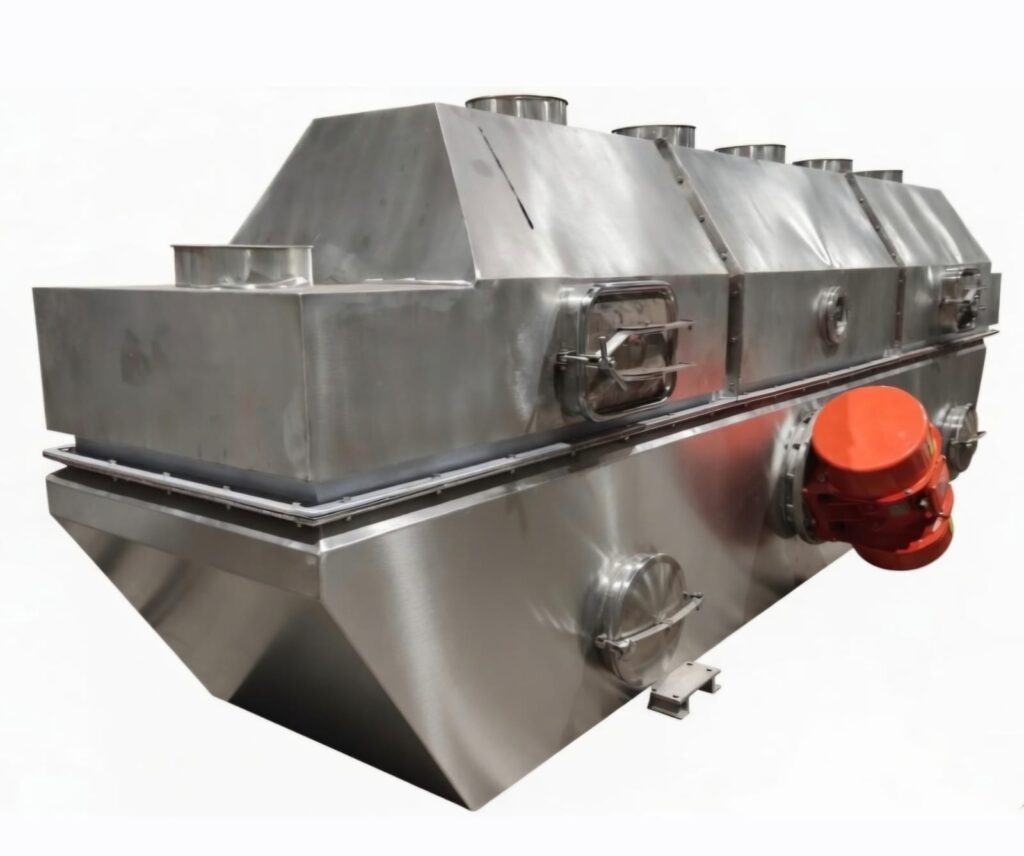
A fluidized-bed dryer may be suitable when the sludge has been conditioned or transformed into particles with appropriate flow characteristics.
It can provide high heat-transfer rates and controlled drying.
However, highly sticky or pasty ETP sludge should not automatically be specified for fluidized-bed drying without evaluating its physical properties.
How Does an ETP Sludge Dryer Work?
A typical industrial sludge drying system follows this process:
Dewatered Sludge → Controlled Feeding → Thermal Drying → Moisture Evaporation → Vapour/Exhaust Treatment → Cooling → Dried Sludge Handling
Step 1 — Mechanical Dewatering
The ETP sludge is first mechanically dewatered to reduce the amount of free water entering the thermal dryer.
Step 2 — Controlled Feeding
The dewatered sludge is transferred to the dryer through an appropriate feeding system such as a screw feeder, hopper, conveyor or pump.
Step 3 — Thermal Drying
Heat is transferred to the sludge through direct or indirect drying, depending on the selected technology.
Step 4 — Moisture Evaporation
Water is evaporated under controlled process conditions.
Step 5 — Vapour and Exhaust Management
Depending on sludge composition, the system may require appropriate vapour condensation, filtration, scrubbing, odour control or other exhaust-treatment equipment.
Step 6 — Cooling & Discharge
The dried material can be cooled and transferred to storage, thermal treatment, recovery or another downstream process.
How to Select an ETP Sludge Dryer for a German Plant
A professional dryer manufacturer should size the system using actual process data.
| Parameter | Why It Matters |
| Wet sludge capacity | Determines required throughput |
| Initial moisture | Determines water evaporation load |
| Final moisture | Determines thermal duty |
| Sludge composition | Affects drying behaviour |
| Stickiness | Helps determine dryer technology |
| Feed form | Determines feeding requirements |
| Heat source | Influences dryer configuration |
| Operating hours | Determines equipment sizing |
| Exhaust characteristics | Determines vapour treatment |
| Final treatment route | Defines target moisture |
| Plant space | Influences equipment layout |
| Automation level | Determines control system |
Important
There is no universal drying temperature, residence time or final moisture specification for ETP sludge.
The correct values must be determined from the actual sludge, plant conditions and required final application.
Energy-Efficient Sludge Drying for Germany
Energy consumption is a major consideration when selecting industrial drying equipment.
GTI’s approach is to optimize the complete drying process, rather than simply increasing drying temperature.
Depending on the project, the system can consider:
- Indirect heat transfer
- Heat recovery
- Optimized airflow
- Multi-zone drying
- Insulation
- Controlled residence time
- Moisture monitoring
- Automated temperature control
- Waste-heat integration
- Steam or thermal-oil heating
- Other available plant heat sources
Indirect paddle drying can be particularly interesting where enclosed processing, controlled heat transfer and lower process-air requirements are desirable.
For a German project, energy calculations should be based on the actual water evaporation requirement and available heat source, not on a generic kWh/tonne figure.
ETP Sludge Dryer Applications in Germany
GTI’s industrial drying technologies can be evaluated for sludge generated by:
Chemical Industry
Chemical plants can generate wastewater sludge and filter cakes containing organic or inorganic process residues.
Pharmaceutical Industry
Pharmaceutical manufacturing can produce wastewater-treatment solids requiring controlled and enclosed processing.
Food Processing
Food and beverage plants can generate organic-rich wastewater sludge requiring moisture reduction.
Textile Industry
Textile ETP sludge may contain fibres, pigments, dyes and other process residues.
Pulp & Paper
Paper manufacturing generates wastewater-treatment sludge containing fibres, fillers and other solids.
Industrial Manufacturing
Various manufacturing operations can generate high-moisture ETP sludge requiring controlled drying before disposal or downstream treatment.
Germany: Sludge Drying, Thermal Treatment & Resource Recovery
Germany has been moving toward greater thermal utilization of sewage sludge and recovery of phosphorus from relevant sludge streams.
The German regulatory framework is therefore important when developing sludge-treatment projects.
However, drying itself does not recover phosphorus.
A potential integrated process may look like:
Wastewater Treatment
↓
Sludge Generation
↓
Mechanical Dewatering
↓
Industrial Sludge Dryer
↓
Thermal Treatment
↓
Ash Processing
↓
Phosphorus Recovery
The exact process depends on the facility, sludge composition and selected recovery technology.
Germany’s UBA reports that phosphorus recovery requirements for relevant sewage-sludge streams become mandatory from 2029, making upstream sludge conditioning and drying an important engineering consideration for some future treatment routes.
German Environmental & Regulatory Considerations
For projects in Germany, the dryer should be evaluated together with the applicable environmental and waste-management requirements.
Important considerations can include:
- Sludge classification
- Applicable German waste legislation
- Air emissions
- Odour management
- Dust control
- Exhaust treatment
- Worker safety
- Final disposal route
- Thermal-treatment requirements
- Resource-recovery requirements
- Plant permitting
Industrial ETP sludge should not automatically be treated as municipal sewage sludge. The applicable requirements depend on the origin, composition, classification and intended management route.
GTI can support the technical dryer-engineering side of the project, while project-specific regulatory and permitting requirements should be confirmed with the responsible German environmental authorities and project consultants.
Why Choose GTI Dryers for Germany?
GTI Dryers focuses on application-specific industrial drying engineering, rather than supplying one standard dryer for every material.
GTI capabilities include:
- Customized ETP sludge dryer design
- Industrial paddle dryers
- Belt and band dryers
- Rotary dryers
- Fluidized-bed systems for suitable materials
- Dryer sizing and selection
- Heat and mass-balance evaluation
- Feeding and discharge integration
- PLC/HMI and process automation
- Plant layout support
- Installation and commissioning assistance
- International technical support
GTI’s waste and environmental drying portfolio covers sludge and other high-moisture industrial waste streams.
GTI Dryers
Engineered Drying Solutions from India for Germany & Global Industries
What Information Is Required for an ETP Sludge Dryer Quotation?
German industrial buyers can send the following information to GTI Dryers:
- Wet sludge capacity: kg/hr or tonnes/day
- Initial moisture: %
- Target final moisture: %
- Sludge source: chemical, pharmaceutical, food, textile, paper, etc.
- Sludge composition: if available
- Feed condition: slurry, filter cake, paste or granules
- Feed temperature
- Available heat source
- Operating hours/day
- Final disposal, recovery or thermal-treatment route
- Plant location in Germany
- Available installation space
- Required automation level
These details allow the engineering team to estimate the evaporation load, thermal requirement, dryer capacity and suitable technology.
ETP Sludge Dryer Manufacturer Germany – FAQs
Which dryer is suitable for ETP sludge in Germany?
The answer depends on the sludge’s moisture, composition, stickiness, capacity and final moisture requirement. Paddle, belt/band and rotary dryers can be considered for different applications.
Is a paddle dryer suitable for industrial ETP sludge?
A paddle dryer can be suitable for many sticky, pasty and filter-cake-like materials because it provides indirect heat transfer and continuous mixing. Actual suitability should be confirmed from the material characteristics.
Can GTI Dryers manufacture sludge dryers for Germany?
Yes. GTI Dryers designs and manufactures customized industrial drying systems for international applications, including industrial sludge and wastewater-treatment applications.
Can an ETP sludge dryer be installed after a filter press?
Yes. A typical process can be:
ETP → Sludge Separation → Filter Press → Dewatered Sludge Cake → Thermal Dryer → Cooling → Final Handling
The dryer must be designed around the actual filter-cake properties.
How can I reduce the energy consumption of sludge drying?
Energy performance depends on the initial and final moisture, heat source, evaporation load, dryer configuration and heat recovery. Waste-heat integration, insulation, optimized airflow and indirect drying can be evaluated where appropriate.
What information should I provide to GTI for a sludge dryer quotation?
Provide wet-feed capacity, initial moisture, target final moisture, sludge type, feed condition, available heat source and intended final treatment or disposal route.
Get an ETP Sludge Dryer Proposal from GTI Dryers
Are you planning an ETP sludge drying system in Germany for a chemical plant, pharmaceutical facility, food-processing plant, textile factory, paper mill or other industrial wastewater facility?
GTI Dryers can evaluate your sludge characteristics and recommend a suitable drying configuration based on:
Sludge → Moisture → Capacity → Evaporation Load → Heat Source → Final Moisture → Dryer Selection
Send your sludge capacity, initial moisture and target final moisture to GTI Dryers for a customized technical evaluation and quotation.
GTI Dryers
Industrial Sludge Drying Systems | Paddle Dryers | Belt & Band Dryers | Rotary Dryers
Engineered in India. Designed for Germany and the World.