
ETP Sludge Dryer Machine Manufacturer in Europe
Industrial wastewater treatment produces sludge that can contain a high percentage of moisture along with organic matter, minerals, process chemicals and other solids.
For European industries, efficient sludge management is increasingly connected with resource efficiency, circular economy, energy management and controlled waste treatment.
A properly engineered ETP sludge dryer can remove additional moisture after mechanical dewatering, reducing sludge weight and volume while improving handling, storage, transportation and downstream treatment.
GTI Dryers designs and manufactures customized industrial sludge drying systems for wastewater treatment and industrial applications, including paddle dryers, belt/band dryers, rotary dryers and other application-specific technologies.
The objective is not simply to install a standard sludge dryer. The dryer should be engineered around the actual sludge characteristics, evaporation requirement, energy source, plant capacity and final disposal or recovery route.
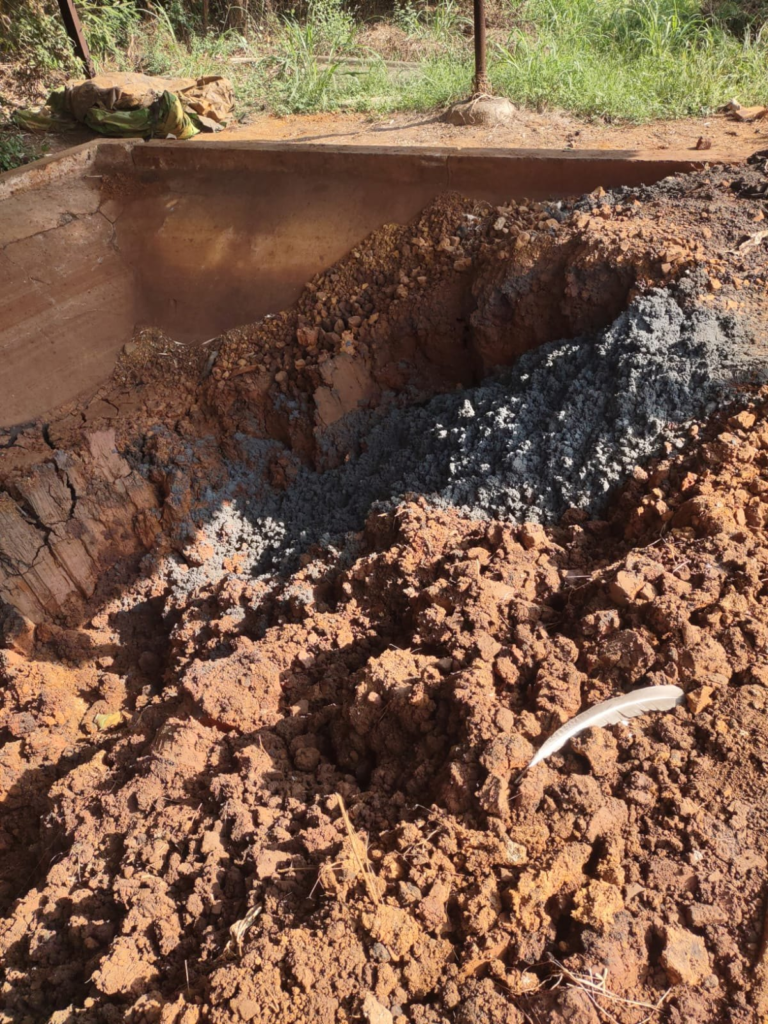
Why Is ETP Sludge Drying Important in Europe?
European wastewater management is increasingly moving toward resource efficiency and circularity.
The revised EU Urban Wastewater Treatment Directive entered into force on 1 January 2025 and includes objectives related to improved wastewater treatment, resource recovery, circularity and reduction of greenhouse-gas impacts.
The European Commission also notes that sewage sludge can contain valuable organic matter and nutrients such as nitrogen and phosphorus, while contaminants require appropriate management.
For industrial ETP sludge, thermal drying can therefore be considered as part of a broader sludge-management strategy.
Potential benefits include:
- Reduced sludge moisture
- Lower transportation weight
- Reduced storage volume
- Improved material handling
- Better feed consistency for downstream treatment
- Potential preparation for thermal treatment
- Potential resource or energy recovery
- Improved process stability
- Reduced dependency on high-moisture disposal routes
Actual benefits depend on the sludge composition, treatment route and final application.
What Is an ETP Sludge Dryer?
An ETP sludge dryer is an industrial thermal drying system used to remove residual moisture from sludge generated during an Effluent Treatment Plant.
A typical process is:
Industrial Wastewater → ETP → Sludge Separation → Mechanical Dewatering → ETP Sludge Dryer → Cooling/Handling → Recovery, Treatment or Disposal
Mechanical dewatering equipment such as a filter press, centrifuge, belt press or screw press can first remove a significant amount of free water.
The thermal dryer then removes additional moisture according to the required final moisture specification.
Industrial ETP Sludge Dryer Technologies
There is no single dryer that is suitable for every European sludge application. Dryer selection depends on moisture, solids content, stickiness, composition, capacity and final process requirements.
1. Industrial Paddle Dryer
A paddle dryer is particularly relevant for wet, sticky, pasty or filter-cake-like materials.
It uses indirect heat transfer through heated paddles and shafts rather than relying primarily on direct hot air.
Key advantages
- Indirect drying
- Enclosed processing
- Efficient heat transfer
- Low process-air requirement
- Suitable for sticky sludge
- Controlled product temperature
- Compact industrial configuration
GTI’s paddle dryer portfolio specifically includes industrial sludge and ETP sludge applications.

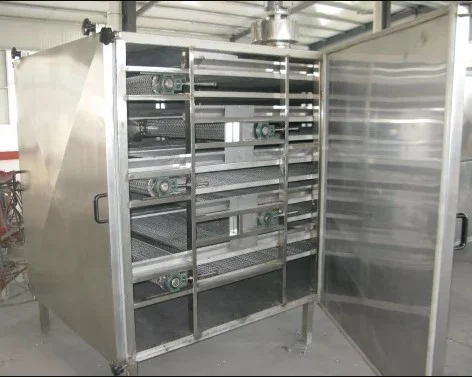
2. Belt / Band Sludge Dryer
A continuous belt or band dryer can be considered for applications requiring continuous drying and relatively uniform feed distribution.
The sludge passes through controlled drying zones where temperature, airflow and residence time can be adjusted according to the process.
Suitable considerations
- Continuous operation
- Large processing capacities
- Multi-zone drying
- Controlled moisture reduction
- Integration with automated feeding and discharge
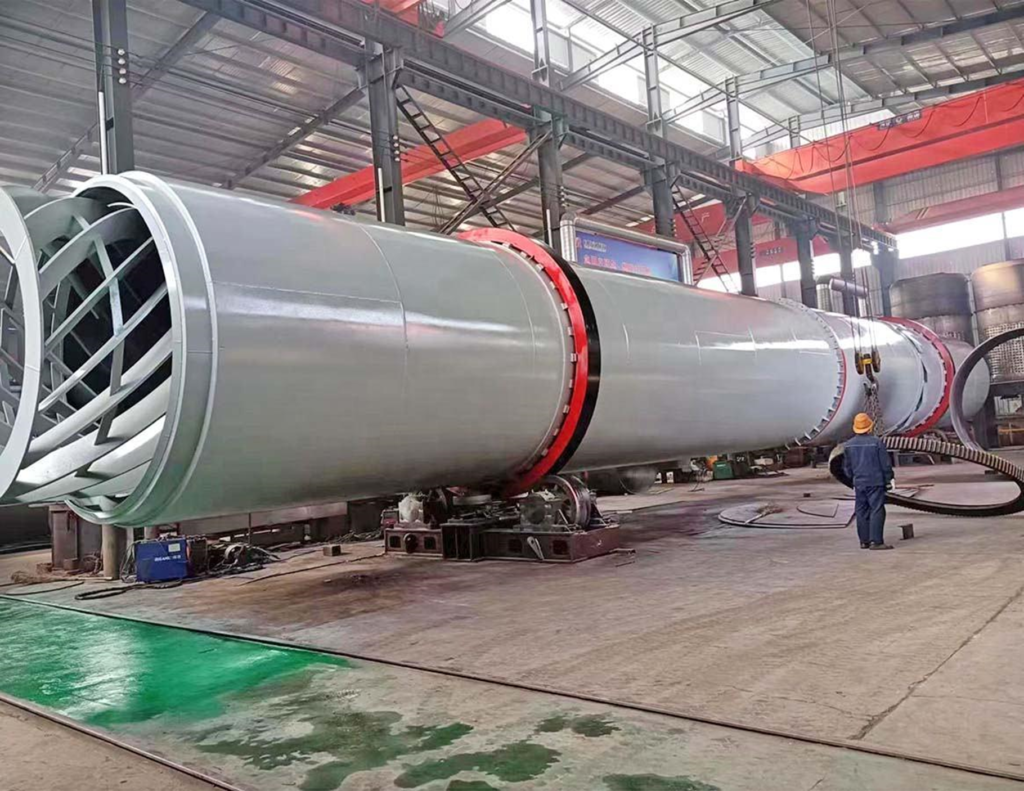
3. Rotary Drum Sludge Dryer
A rotary dryer can be evaluated for robust, high-throughput sludge applications where the feed characteristics allow effective conveying and drying.
It is particularly relevant where the project requires a heavy-duty continuous dryer.
GTI’s industrial drying portfolio includes rotary dryers for sludge and other high-moisture materials.
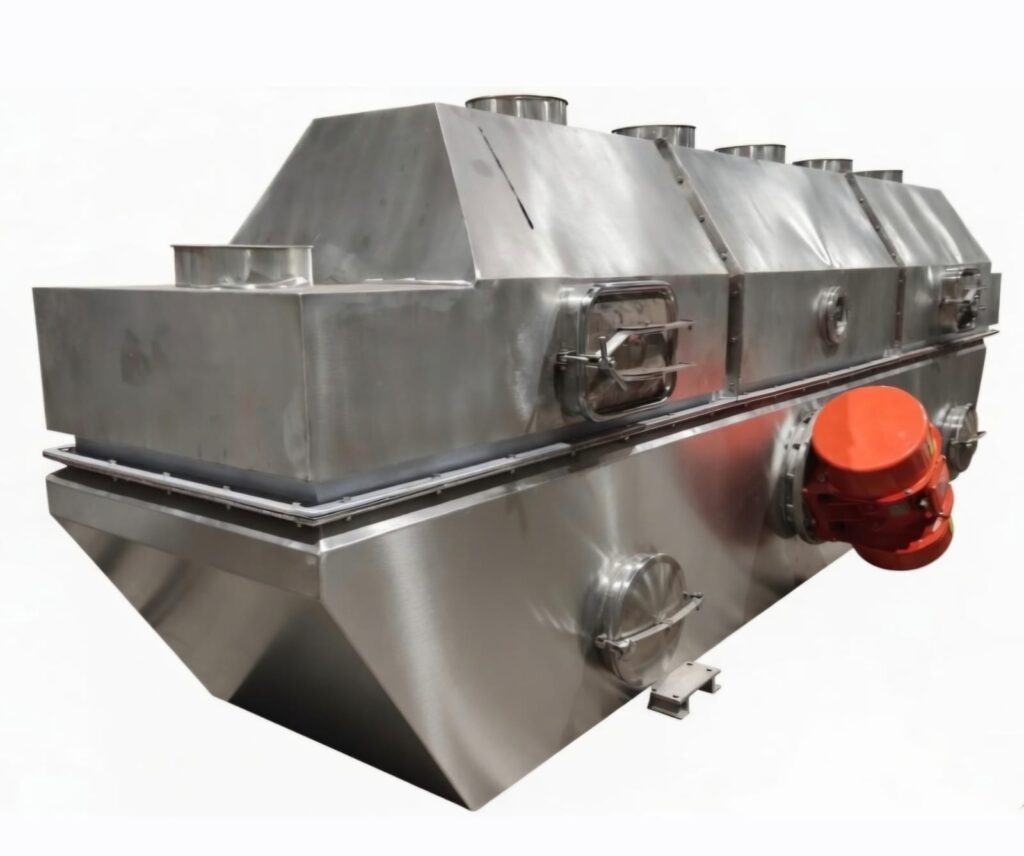
4. Fluidized Bed Dryer
A fluidized-bed dryer may be considered when the sludge has been conditioned or converted into particles with suitable flow characteristics.
Potential advantages include:
- High heat-transfer rates
- Uniform drying
- Controlled final moisture
- Continuous processing
However, highly sticky or pasty sludge should not automatically be specified for fluidized-bed drying without evaluating its physical characteristics.
How Does an ETP Sludge Dryer Work?
A typical industrial system follows:
Dewatered Sludge → Controlled Feeding → Thermal Drying → Moisture Evaporation → Vapour/Exhaust Treatment → Cooling → Dried Sludge Handling
1. Dewatering
The sludge first undergoes mechanical dewatering to reduce the amount of free water entering the thermal dryer.
2. Feeding
A suitable screw conveyor, pump, hopper or feeding system transfers the dewatered sludge to the dryer.
3. Thermal Drying
Heat is transferred to the sludge using direct or indirect drying technology depending on the application.
4. Moisture Removal
Water is evaporated under controlled temperature, airflow and residence-time conditions.
5. Vapour & Odour Management
Depending on sludge composition, the system may require condensation, filtration, scrubbing, odour control or other exhaust-treatment equipment.
6. Dried Sludge Handling
The dried material can then be cooled and transferred for the appropriate disposal, recovery, thermal treatment or other downstream application.
ETP Sludge Dryer Selection: Important Parameters
A professional European sludge dryer project should be designed from actual process data.
| Parameter | Importance |
| Wet sludge feed rate | Determines dryer capacity |
| Initial moisture | Determines evaporation load |
| Target final moisture | Determines drying duty |
| Organic/inorganic content | Influences drying behaviour |
| Sludge stickiness | Helps determine dryer type |
| Particle/feed form | Influences material handling |
| Heat source | Determines thermal configuration |
| Operating hours | Determines equipment sizing |
| Exhaust characteristics | Determines vapour treatment |
| Final disposal/recovery route | Determines target moisture |
| Available plant space | Influences layout |
| Automation requirements | Determines control architecture |
There is no universal sludge-drying temperature or final moisture specification. These values should be established from the actual sludge and project requirements.
Where material behaviour is uncertain, laboratory or pilot testing can help establish drying rate, residence time, energy requirement and final moisture. GTI also recommends application-specific drying evaluation for industrial projects.
Energy Efficiency in European Sludge Drying
Energy consumption is one of the most important considerations when selecting an industrial sludge dryer.
GTI evaluates the complete thermal process rather than focusing only on dryer temperature.
Depending on the application, the system can be engineered around:
- Efficient heat transfer
- Heat recovery
- Optimized airflow
- Controlled residence time
- Insulated drying chambers
- Indirect heating
- Multi-stage drying
- Automated temperature control
- Moisture monitoring
- Integration with available plant heat sources
For suitable applications, indirect paddle drying can reduce process-air requirements and provide enclosed drying with controlled heat transfer.
European Environmental & Regulatory Considerations
Sludge treatment in Europe must be considered within the applicable EU and national regulatory framework.
The European Commission states that sewage sludge can contain contaminants such as heavy metals, pathogens and other chemicals, which means its use and management require appropriate controls.
The EU’s revised wastewater framework also places greater emphasis on circularity and recovery of valuable resources, including nutrients from wastewater and sewage sludge.
For an industrial ETP project, the engineering team should therefore evaluate:
- Sludge classification
- Applicable national regulations
- Waste-management requirements
- Air emissions
- Odour control
- Dust control
- Worker safety
- Final disposal/recovery route
- Applicable permitting requirements
- Environmental monitoring requirements
Important: Industrial ETP sludge should not automatically be treated as municipal sewage sludge. Its composition and regulatory status must be established for the specific facility and country.
ETP Sludge Dryer Applications Across Europe
GTI’s industrial sludge drying technology can be evaluated for applications in:
Chemical Industry
Chemical manufacturing facilities can generate high-moisture sludge containing inorganic and organic process residues.
Pharmaceutical Industry
Pharmaceutical wastewater treatment can generate sludge requiring controlled, enclosed processing.
Food Processing
Food and beverage wastewater plants can produce organic-rich sludge requiring moisture reduction.
Textile Industry
Textile ETP sludge may contain fibres, dyes, pigments and process chemicals.
Pulp & Paper
Paper mills generate sludge containing fibres, fillers and other solids.
Petrochemical & Industrial Processing
Complex wastewater streams may generate sludge requiring specialized drying and environmental controls.
ETP Sludge Dryer Market: European Focus
GTI Dryers can target industrial wastewater and sludge-drying enquiries across major European manufacturing and environmental markets.
Germany
Industrial wastewater, chemical, pharmaceutical and environmental engineering applications.
France
Food, chemical, pharmaceutical and wastewater-treatment industries.
Italy
Manufacturing, food processing, chemicals and industrial wastewater applications.
Spain
Food, agricultural processing, chemicals and wastewater treatment.
Netherlands
Advanced wastewater management, environmental technology and resource-recovery projects.
Belgium
Chemical, pharmaceutical and industrial wastewater applications.
Poland
Growing industrial manufacturing and wastewater-treatment infrastructure.
Austria & Switzerland
Chemical, pharmaceutical, food and environmental engineering applications.
United Kingdom
Industrial wastewater, sewage treatment and waste-management applications.
The European market should be approached country-by-country because environmental permitting, sludge management and technical requirements can differ between jurisdictions. The EEA also emphasizes that wastewater treatment is not one-size-fits-all and that local conditions influence appropriate solutions.
Why Choose GTI Dryers for European ETP Sludge Projects?
GTI Dryers approaches an ETP sludge project as an application-engineering requirement, rather than simply supplying a standard machine.
GTI capabilities include:
- Customized industrial sludge dryer design
- Paddle dryer systems
- Belt/band drying systems
- Rotary drying systems
- Fluidized-bed systems for suitable materials
- Dryer selection and sizing
- Heat and mass-balance calculations
- Feeding and discharge integration
- Automation and process control
- Plant layout support
- Installation and commissioning assistance
- Technical support for international projects
GTI’s waste and environmental drying portfolio covers industrial sludge, sewage sludge and other high-moisture waste streams.
GTI Dryers
Engineered Drying Solutions from India for European & Global Industries
How to Get an ETP Sludge Dryer Quotation
For a technically accurate quotation, send the following information to GTI Dryers:
- Wet sludge capacity: kg/hr or tonnes/day
- Initial moisture: %
- Required final moisture: %
- Sludge source: chemical, pharmaceutical, textile, food, paper, etc.
- Sludge composition: if available
- Feed form: filter cake, slurry, paste, granules, etc.
- Available heat source: steam, thermal oil, hot air, waste heat, etc.
- Operating hours: hours/day
- Plant location: country and city
- Final disposal/recovery route
- Available installation space
- Automation requirements
Providing these details allows the dryer manufacturer to estimate the water evaporation load, thermal duty, dryer capacity and suitable drying technology more accurately.
Frequently Asked Questions
Which dryer is suitable for ETP sludge?
The suitable dryer depends on sludge properties and process requirements. Paddle dryers are often considered for sticky or pasty sludge, while belt/band and rotary dryers can be evaluated for continuous, higher-throughput applications.
Can GTI Dryers manufacture ETP sludge dryers for Europe?
Yes. GTI Dryers designs and manufactures customized industrial drying systems for international applications and provides engineering support for wastewater and environmental drying projects.
Can an ETP sludge dryer be installed after a filter press?
Yes. A common configuration is:
ETP → Sludge Separation → Filter Press → Dewatered Sludge Cake → Thermal Dryer → Cooling → Final Handling
The dryer must be designed according to the actual filter-cake characteristics.
Is paddle drying suitable for sticky ETP sludge?
Paddle dryers are specifically suitable for many sticky, pasty and filter-cake-like materials because they use indirect heat transfer and continuous mixing. Actual suitability should be confirmed from the material characteristics.
What information is required to size a sludge dryer?
The most important information includes wet feed rate, initial moisture, target final moisture, sludge composition, feed characteristics, heat source and operating hours.
Can sludge drying support resource recovery?
Potentially, yes. Drying can prepare sludge for subsequent recovery, thermal treatment or other management routes. The appropriate route depends on sludge composition and applicable regulations. EU policy increasingly emphasizes recovery of resources from wastewater and sludge.
Looking for an ETP Sludge Dryer Manufacturer in Europe?
Whether you are developing a new industrial wastewater treatment plant, upgrading an existing ETP, reducing sludge disposal volume, or integrating sludge drying with a resource-recovery process, GTI Dryers can evaluate your application.
Send us your sludge capacity, initial moisture and target final moisture. Our engineering team can evaluate the drying requirement and recommend a suitable industrial drying configuration.
GTI Dryers — Engineered Drying Solutions from India for European & Global Industries.