Dairy & Protein Processing: Feeding a Growing World with Better Nutrition
Food is one of humanity’s most fundamental needs, and among all food industries, the dairy and protein sector plays a crucial role in supporting global nutrition. From newborn infants requiring specialized nutrition to athletes seeking high-quality protein supplements and healthcare patients depending on clinical nutrition, dairy-based ingredients have become an essential part of modern life.
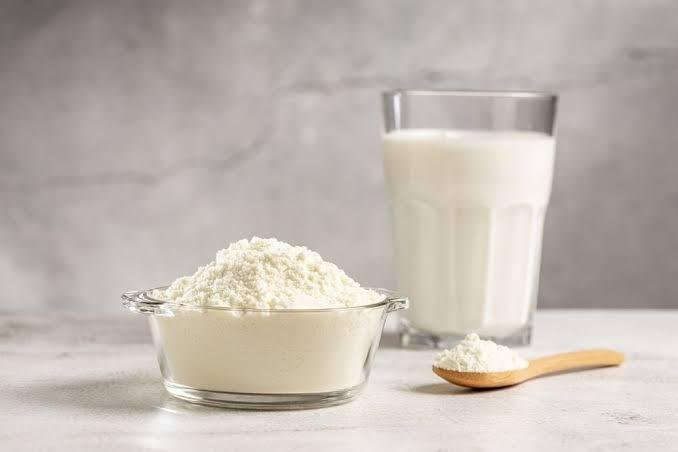
Today, dairy processing is no longer limited to fresh milk. It has evolved into an advanced manufacturing industry producing milk powders, whey proteins, casein, lactose, infant nutrition, dairy ingredients, sports nutrition, and specialized protein products that are distributed across global markets.
As consumer demand for nutritious, convenient, and shelf-stable food continues to increase, manufacturers require advanced processing technologies capable of maintaining product quality while improving production efficiency.
This transformation has made dairy and protein processing not just a commercial opportunity, but a vital contributor to global food security and public health.
The Growing Global Demand for Dairy & Protein Products
Changing lifestyles, increasing health awareness, urbanization, and rising disposable incomes have significantly increased the demand for processed dairy products worldwide.
Consumers today seek products that offer:
- High nutritional value
- Longer shelf life
- Convenient storage
- Better food safety
- Functional ingredients
- High protein content
- Consistent quality
- Sustainable production
These evolving preferences have expanded the use of dairy ingredients in numerous industries, including:
- Dairy processing
- Infant nutrition
- Sports nutrition
- Functional foods
- Clinical nutrition
- Bakery
- Confectionery
- Beverage manufacturing
- Frozen desserts
- Nutraceuticals
- Animal nutrition
The global dairy industry continues investing in advanced manufacturing technologies to meet these growing quality expectations.
Why Drying Is One of the Most Important Stages in Dairy Processing
Fresh milk naturally contains a high percentage of water, making it highly perishable.
To improve storage stability, transportation efficiency, export capability, and product versatility, moisture must be carefully removed without damaging valuable nutrients.
Drying enables manufacturers to transform liquid dairy products into stable powders while preserving:
- Protein functionality
- Nutritional composition
- Solubility
- Flavor
- Color
- Functional properties
- Shelf life
Proper drying also reduces transportation costs, minimizes microbial growth, and improves packaging efficiency.
For this reason, drying has become one of the most important unit operations in modern dairy manufacturing.
What Are Dairy & Protein Drying Systems?
Dairy & Protein Drying Systems are advanced food processing technologies designed to remove controlled amounts of moisture from milk-based products while preserving nutritional quality, product functionality, and food safety.
These systems support the production of:
- Whole Milk Powder
- Skim Milk Powder
- Whey Protein Concentrate (WPC)
- Whey Protein Isolate (WPI)
- Milk Protein Concentrate (MPC)
- Casein
- Caseinates
- Lactose
- Dairy ingredients
- Protein blends
- Nutritional supplements
Unlike conventional industrial drying, dairy processing requires highly controlled operating conditions because proteins, fats, and vitamins are sensitive to excessive heat.
Why Moisture Control Matters in Dairy Manufacturing
Moisture directly affects the quality, stability, and performance of dairy ingredients.
Improper moisture levels may result in:
- Reduced shelf life
- Protein degradation
- Poor powder flowability
- Product lumping
- Reduced solubility
- Microbial growth
- Packaging instability
- Export rejection
Accurate moisture control helps manufacturers consistently produce premium-quality dairy ingredients that meet domestic and international standards.
The Science Behind Dairy Drying Technology
Drying dairy products is far more sophisticated than simply removing water.
Modern drying technology combines:
- Heat transfer engineering
- Controlled evaporation
- Airflow optimization
- Moisture migration
- Hygienic process design
- Product protection
The objective is to remove moisture while preserving the product’s nutritional value, functional characteristics, and sensory properties.
Each dairy ingredient responds differently to heat, making application-specific engineering essential.
Complete Dairy Processing Flow
Although production varies depending on the final product, modern dairy manufacturing generally follows a structured process.
1. Raw Milk Collection
Fresh milk is collected from approved dairy farms under hygienic conditions.
Quality testing includes:
- Fat content
- Protein content
- Microbial analysis
- Acidity
- Density
- Antibiotic residues
- Adulteration testing
Only milk meeting quality standards proceeds to processing.
2. Milk Reception & Storage
The milk is filtered, cooled, and stored in insulated stainless-steel tanks to preserve freshness before further processing.
3. Clarification & Standardization
Clarification removes suspended impurities, while standardization adjusts fat and solids content according to product specifications.
This ensures consistent product quality throughout manufacturing.
4. Pasteurization
Milk undergoes carefully controlled heat treatment to eliminate harmful microorganisms while preserving nutritional quality.
Pasteurization is one of the most critical food safety stages in dairy manufacturing.
5. Concentration
Before drying, excess water is removed using evaporation systems.
This reduces energy consumption during the final drying stage and improves overall process efficiency.
6. Drying
The concentrated dairy product is converted into stable powder using advanced drying technology.
The drying stage directly influences:
- Moisture content
- Solubility
- Particle size
- Bulk density
- Protein functionality
- Shelf life
- Product appearance
Precise process control ensures consistent product quality across every production batch.
7. Cooling
The dried powder is cooled under controlled conditions to prevent moisture absorption and preserve product stability.
8. Packaging
Finished dairy ingredients are packed in hygienic, food-grade packaging suitable for domestic distribution and international exports.
Products Manufactured Using Modern Dairy Drying Technology
Advanced drying systems support the production of numerous dairy ingredients.
Whole Milk Powder
Widely used in food manufacturing, beverages, bakery products, confectionery, and dairy applications.
Skim Milk Powder
Commonly used in dairy formulations, bakery products, nutritional products, and processed foods.
Whey Protein
An important ingredient for sports nutrition, dietary supplements, functional foods, and clinical nutrition.
Milk Protein Concentrates
Used for improving protein content in beverages, nutritional products, dairy foods, and specialized formulations.
Casein & Caseinates
Essential ingredients for food processing, pharmaceutical formulations, and nutritional applications.
Lactose
Widely used in infant nutrition, confectionery, pharmaceuticals, and food manufacturing.
Why Food-Grade Engineering Matters
Unlike general industrial processing, dairy manufacturing demands hygienic engineering at every stage.
Equipment must minimize contamination risks while supporting efficient cleaning and regulatory compliance.
Food-grade engineering typically includes:
- Stainless steel construction
- Smooth product-contact surfaces
- Hygienic welds
- Sanitary piping
- Easy cleaning accessibility
- Corrosion resistance
- Dust-controlled processing
- Hygienic product handling
These design principles help manufacturers consistently produce safe, export-quality dairy ingredients.
Supporting Global Food Safety Standards
Consumers worldwide expect dairy products to be safe, nutritious, and consistent.
Modern dairy processing facilities therefore operate under internationally recognized food safety systems such as:
- HACCP
- GMP
- ISO 22000
- FSSC 22000
- Codex Alimentarius
- FDA Food Safety Guidelines
- European Food Safety Regulations
Advanced drying technology plays a key role in helping manufacturers achieve these quality objectives.
GTI Dryers: Engineering Reliable Dairy Processing Solutions
At GTI Dryers, we understand that successful dairy manufacturing requires far more than efficient moisture removal.
Every dairy ingredient has unique processing requirements that demand precise engineering, hygienic design, and careful thermal management.
Our engineering team develops customized drying solutions by evaluating:
- Product characteristics
- Protein sensitivity
- Moisture targets
- Production capacity
- Utility availability
- Automation requirements
- Food safety standards
- Future expansion plans
This engineering-driven approach helps dairy manufacturers improve productivity while maintaining superior product quality and international food safety compliance.
Engineering the Perfect Dairy Drying Process
Producing premium-quality dairy ingredients requires more than simply evaporating water. Every drying process must be carefully engineered to preserve nutritional value, maintain protein functionality, and ensure product safety while maximizing production efficiency.
Unlike many industrial products, dairy ingredients are highly sensitive to processing conditions. Excessive temperatures, improper airflow, or inconsistent moisture removal can reduce product quality and affect its performance in food applications.
For this reason, every drying system must be designed around the product itself—not the other way around.
At GTI Dryers, engineering begins with understanding product behavior, production objectives, and food safety requirements before designing a customized drying solution.
Understanding the Working Principle of Dairy Drying
The objective of dairy drying is to remove water while maintaining the natural nutritional characteristics of milk proteins, fats, carbohydrates, vitamins, and minerals.
The process generally follows these stages:
Product Feeding
Concentrated milk or dairy ingredients enter the drying system under carefully controlled conditions.
Uniform feeding ensures stable production and consistent product quality.
Controlled Heat Transfer
Thermal energy is introduced in a controlled manner to evaporate moisture without damaging heat-sensitive nutrients.
Depending on the application, heating may involve:
- Hot air
- Steam
- Thermal oil
- Indirect heating systems
- Controlled temperature zones
The selected heating method depends on product sensitivity and desired powder characteristics.
Moisture Migration
As thermal energy enters the product, moisture gradually moves from the interior toward the surface before evaporation occurs.
Balanced moisture migration prevents:
- Protein damage
- Powder cracking
- Uneven drying
- Product shrinkage
- Nutritional loss
Moisture Evaporation
The evaporated moisture is continuously removed using engineered airflow systems, maintaining stable drying conditions throughout production.
Product Cooling
The finished powder is cooled before packaging to prevent moisture absorption, caking, and deterioration during storage.
Heat Transfer Engineering in Dairy Processing
Heat transfer is the foundation of every successful dairy drying process.
The challenge is removing moisture efficiently while preserving the functional and nutritional properties of milk proteins.
Proper thermal engineering provides:
- Uniform product temperature
- Consistent evaporation
- Controlled drying rates
- Improved product stability
- Better energy utilization
- Reduced thermal degradation
Efficient heat transfer helps manufacturers produce high-quality dairy ingredients with consistent physical and nutritional characteristics.
Protecting Protein During Drying
Proteins are among the most valuable components of dairy products.
Improper drying conditions may result in:
- Protein denaturation
- Reduced solubility
- Poor dispersibility
- Nutritional degradation
- Functional property loss
- Product discoloration
Modern drying technology carefully balances temperature, airflow, and residence time to preserve protein functionality throughout the manufacturing process.
This is especially important for products such as:
- Whey Protein Concentrate (WPC)
- Whey Protein Isolate (WPI)
- Milk Protein Concentrate (MPC)
- Infant nutrition ingredients
- Clinical nutrition products
- High-protein dairy powders
Moisture Control for Consistent Product Quality
Maintaining precise moisture content is one of the most important quality objectives in dairy processing.
Controlled moisture improves:
- Shelf life
- Flowability
- Solubility
- Packaging stability
- Product appearance
- Microbial safety
- Storage performance
- Export quality
Every dairy ingredient has a recommended moisture specification that must be achieved consistently throughout production.
Airflow Engineering for Efficient Drying
Proper airflow design plays a major role in product consistency.
Engineered airflow systems help achieve:
- Uniform heat distribution
- Stable drying conditions
- Efficient moisture removal
- Reduced powder losses
- Better thermal efficiency
- Improved product consistency
Balanced airflow also minimizes product accumulation and improves overall process stability.
Residence Time Optimization
Residence time refers to the period a dairy product remains inside the drying system.
Optimizing residence time ensures sufficient moisture removal while protecting nutritional quality.
Engineering decisions depend on:
- Product composition
- Moisture content
- Protein sensitivity
- Particle size
- Production capacity
- Desired powder properties
Correct residence time improves efficiency while reducing product degradation.
Hygienic Design for Food Safety
Food processing equipment must be designed to minimize contamination and simplify cleaning.
Modern dairy drying systems typically incorporate:
- Food-grade stainless steel construction
- Smooth internal product-contact surfaces
- Hygienic welding
- Crevice-free design
- Rounded internal corners
- Easy inspection access
- Sanitary piping
- Dust-controlled operation
These design features support safe food production while complying with international hygiene standards.
Clean-In-Place (CIP) Systems
Frequent cleaning is essential in dairy manufacturing.
Clean-In-Place (CIP) systems allow equipment to be cleaned without extensive dismantling, improving operational efficiency while maintaining hygiene.
Advantages include:
- Reduced downtime
- Consistent cleaning performance
- Lower contamination risks
- Improved operational efficiency
- Better regulatory compliance
- Reduced manual cleaning
CIP-compatible equipment is now considered an industry standard in modern dairy processing facilities.
Food Safety Standards in Dairy Manufacturing
Dairy manufacturers operate under strict food safety regulations to ensure product quality and consumer protection.
Typical compliance frameworks include:
- HACCP
- GMP
- ISO 22000
- FSSC 22000
- Codex Alimentarius
- FDA Food Safety Guidelines
- EU Food Hygiene Regulations
Proper equipment design helps manufacturers meet these standards through hygienic construction, process consistency, and reliable operation.
Automation in Modern Dairy Processing
Automation has transformed dairy manufacturing by improving consistency, reducing manual intervention, and increasing productivity.
Modern systems may include:
- PLC-based controls
- Human Machine Interface (HMI)
- SCADA monitoring
- Automated temperature control
- Moisture monitoring
- Recipe management
- Batch recording
- Alarm systems
- Remote diagnostics
- Predictive maintenance
Automation ensures repeatable production while supporting quality documentation and traceability.
Capacity Planning for Dairy Processing Plants
Every dairy facility has unique production goals.
Selecting the right drying system depends on several engineering considerations, including:
- Product type
- Daily production volume
- Utility availability
- Plant layout
- Automation requirements
- Future expansion plans
- Export objectives
- Energy consumption targets
Proper capacity planning helps maximize return on investment while supporting long-term operational growth.
Energy Efficiency Through Intelligent Engineering
Energy is one of the largest operating costs in dairy processing.
GTI Dryers designs energy-efficient solutions by focusing on:
- Optimized heat transfer
- Improved airflow distribution
- Thermal insulation
- Heat recovery opportunities
- Intelligent process control
- Reduced utility losses
These engineering improvements help manufacturers reduce operating costs while maintaining product quality.
Common Challenges in Dairy Drying
Uneven Moisture Content
Possible Causes
- Inconsistent airflow
- Poor temperature control
- Uneven product distribution
Engineering Solution
Optimize airflow patterns and process parameters for uniform drying.
Reduced Protein Quality
Possible Causes
- Excessive temperatures
- Long drying cycles
- Poor thermal management
Engineering Solution
Implement controlled temperature profiles and optimized residence time.
Powder Caking
Possible Causes
- High residual moisture
- Improper cooling
- Inadequate storage conditions
Engineering Solution
Improve moisture control, cooling efficiency, and packaging practices.
High Energy Consumption
Possible Causes
- Heat losses
- Inefficient airflow
- Poor insulation
Engineering Solution
Adopt energy-efficient thermal design, insulation, and heat recovery systems.
Why GTI Dryers Engineers Every Project Differently
At GTI Dryers, we recognize that every dairy product behaves differently during drying.
Instead of offering standard equipment, our engineering team evaluates:
- Product characteristics
- Thermal sensitivity
- Moisture targets
- Nutritional preservation requirements
- Production capacity
- Utility availability
- Hygienic design requirements
- Automation needs
This customized engineering approach helps manufacturers achieve consistent product quality, operational efficiency, and compliance with international food safety standards.
Feeding the World: Why the Dairy & Protein Industry Is More Important Than Ever
The dairy and protein industry has become one of the world’s most strategic food sectors. It is no longer driven solely by commercial demand—it is fundamental to global nutrition, food security, public health, and sustainable food production.
From everyday household products to advanced clinical nutrition, dairy ingredients support billions of people every day. Milk powders, whey proteins, infant nutrition, cheese ingredients, casein, and specialty proteins are now essential components of modern food manufacturing.
As the global population continues to grow and consumer preferences shift toward healthier, protein-rich diets, manufacturers are under increasing pressure to produce safe, nutritious, and shelf-stable products while maintaining high production efficiency.
Advanced drying technology has become one of the most important enabling processes in achieving these objectives.
The Global Dairy Industry: A Foundation of Modern Nutrition
The dairy industry supports a vast ecosystem of farmers, processors, food manufacturers, exporters, retailers, and consumers across every continent.
Today, dairy ingredients are used in:
- Infant nutrition
- Sports nutrition
- Functional foods
- Clinical nutrition
- Bakery products
- Confectionery
- Beverage manufacturing
- Ready-to-eat foods
- Nutraceuticals
- Animal nutrition
- Dairy-based desserts
- Cheese manufacturing
Growing consumer awareness about nutrition, protein intake, and healthy lifestyles continues to drive investment in advanced dairy processing technologies worldwide.
The Rising Global Demand for Protein-Based Foods
Protein has become one of the most sought-after nutrients in today’s food industry.
Consumers are increasingly choosing foods that support:
- Muscle development
- Healthy aging
- Weight management
- Sports performance
- Immune health
- Clinical recovery
- Daily nutrition
This trend has significantly increased demand for products such as:
- Whey protein concentrates
- Whey protein isolates
- Milk protein concentrates
- Casein
- Dairy protein blends
- High-protein beverages
- Functional dairy ingredients
As protein consumption continues to rise, manufacturers require processing systems that preserve nutritional value while delivering consistent product quality.
India: The World’s Largest Milk Producer
India has established itself as the world’s largest milk-producing nation, supported by millions of dairy farmers, cooperative societies, and modern processing facilities.
The country’s dairy sector plays a vital role in:
- Rural livelihoods
- Employment generation
- Food security
- Agricultural development
- Export opportunities
- Value-added food production
Indian dairy manufacturers increasingly produce products for both domestic consumption and international markets, making advanced processing technologies more important than ever.
India’s Growing Presence in the Global Dairy Export Market
Although India has traditionally focused on domestic demand, exports of dairy ingredients continue to expand as international buyers seek reliable, high-quality suppliers.
Export-oriented manufacturers are investing in:
- Modern dairy plants
- Automated processing systems
- Hygienic production facilities
- International food safety certifications
- Energy-efficient manufacturing
- Advanced drying technologies
These investments help improve product consistency while meeting the quality expectations of global customers.
Sustainable Dairy Processing for a Better Future
Sustainability has become a major priority across the global food industry.
Modern dairy manufacturers aim to reduce environmental impact while improving operational efficiency.
Key sustainability objectives include:
- Lower energy consumption
- Reduced water usage
- Improved heat recovery
- Reduced product waste
- Better resource utilization
- Lower carbon emissions
- Environmentally responsible manufacturing
Energy-efficient drying systems contribute significantly by helping manufacturers achieve these environmental goals while maintaining high product quality.
The Importance of Food Safety & International Compliance
Consumers worldwide expect dairy products to meet strict standards for safety, hygiene, and quality.
Manufacturers therefore follow internationally recognized regulations and certifications, including:
- HACCP
- GMP
- ISO 22000
- FSSC 22000
- Codex Alimentarius
- FDA Food Safety Guidelines
- European Union Food Regulations
- Halal Certification
- Kosher Certification
Drying systems designed with hygienic engineering principles help manufacturers comply with these requirements while supporting consistent production.
Digital Transformation in Dairy Manufacturing
The dairy industry is increasingly adopting smart manufacturing technologies to improve productivity and product consistency.
Modern processing facilities now integrate:
- PLC automation
- SCADA monitoring
- Digital production records
- Real-time process monitoring
- Predictive maintenance
- Remote diagnostics
- Automated quality control
- Energy monitoring systems
Digitalization enables manufacturers to improve traceability, reduce downtime, and optimize production efficiency.
Global Dairy Processing Trends Shaping the Future
The future of dairy manufacturing is being shaped by several important trends, including:
- Increased demand for high-protein foods
- Growth in infant nutrition
- Expansion of sports nutrition markets
- Functional dairy ingredients
- Sustainable manufacturing
- Automation and Industry 4.0
- Energy-efficient processing
- Smart factories
- Export-oriented production
- Advanced hygienic engineering
Manufacturers that invest in modern processing technologies will be better positioned to compete in global markets.
Global Search Strategy (GEO): How Dairy Processing Equipment Is Searched Worldwide
Food manufacturers, dairy cooperatives, engineering consultants, and procurement teams often use different terminology depending on their region. Incorporating these naturally into your content strengthens international relevance while keeping English as the primary language.
| Country / Region | Common Industry Search Term |
| 🇳🇿 New Zealand | Dairy Powder Drying Plant |
| 🇦🇺 Australia | Milk Powder Processing Equipment |
| 🇺🇸 United States | Dairy Drying Equipment Manufacturer |
| 🇩🇪 Germany | Milchpulver Trocknungsanlagen Hersteller |
| 🇫🇷 France | Fabricant de systèmes de séchage laitier |
| 🇳🇱 Netherlands | Dairy Ingredient Drying Systems |
| 🇮🇳 India | Dairy Drying Plant Manufacturer |
| 🇨🇳 China | 奶粉干燥设备制造商 |
| 🇯🇵 Japan | 乳製品乾燥システムメーカー |
| 🇰🇷 South Korea | 유제품 건조 시스템 제조업체 |
| 🇸🇬 Singapore | Dairy Processing Equipment Supplier |
| 🌍 Middle East | شركة تصنيع أنظمة تجفيف منتجات الألبان |
Why Food Manufacturers Choose GTI Dryers
Modern dairy production requires more than standard equipment—it requires engineering expertise, process optimization, and long-term operational support.
At GTI Dryers, we work closely with dairy processors to develop customized drying solutions that match their production goals, product characteristics, and quality standards.
Our approach includes:
- Application-specific engineering
- Hygienic food-grade equipment design
- Energy-efficient process development
- Automation-ready systems
- Customized plant layouts
- Process optimization support
- Installation and commissioning
- Operator training
- Preventive maintenance
- Long-term technical assistance
Whether the application involves milk powder, whey protein, casein, nutritional ingredients, or specialty dairy products, GTI Dryers focuses on delivering reliable, efficient, and scalable drying solutions that help manufacturers improve productivity and remain competitive in global markets.
Engineering Excellence Behind Modern Dairy & Protein Drying
Successful dairy manufacturing depends on much more than selecting the right dryer. Product quality, production efficiency, energy consumption, food safety, and long-term reliability are all determined by the engineering decisions made during plant design.
Every dairy product behaves differently during drying. Milk powders, whey proteins, casein, lactose, nutritional ingredients, and specialty protein blends each have unique thermal characteristics, moisture profiles, and handling requirements. A well-engineered drying system must account for these variables to deliver consistent product quality.
At GTI Dryers, we begin every project with an engineering-first approach. Rather than supplying standard equipment, we design complete drying solutions based on product behavior, process objectives, plant utilities, and future expansion requirements.
Engineering Principles That Drive Efficient Dairy Drying
A modern dairy drying system is built around several core engineering principles that work together to ensure stable production and superior product quality.
These include:
- Controlled heat transfer
- Uniform airflow distribution
- Moisture migration management
- Residence time optimization
- Hygienic equipment design
- Automated process control
- Energy-efficient operation
- Safe product handling
Balancing these factors ensures reliable production while protecting heat-sensitive dairy ingredients.
Designing the Drying System Around the Product
No two dairy products respond to drying in exactly the same way. Engineering begins by understanding the material before selecting equipment.
Key Design Parameters
GTI Dryers evaluates:
- Product composition
- Initial moisture content
- Final moisture requirement
- Protein sensitivity
- Fat content
- Bulk density
- Particle characteristics
- Product stickiness
- Solubility requirements
- Production capacity
- Utility availability
- Environmental conditions
- Food safety requirements
This application-specific design approach helps maximize productivity while maintaining product quality.
Heat Transfer Engineering for Maximum Product Protection
Heat transfer is one of the most critical aspects of dairy drying.
The goal is to remove moisture efficiently without damaging proteins, vitamins, enzymes, or other valuable nutrients.
Effective heat transfer engineering provides:
- Faster moisture evaporation
- Uniform product temperature
- Reduced thermal degradation
- Better powder quality
- Lower operating costs
- Improved production consistency
Proper thermal design also minimizes localized overheating, helping preserve the functional properties of dairy ingredients.
Moisture Migration & Drying Kinetics
Drying is a continuous movement of moisture from the interior of the product to its surface.
If moisture migration occurs too slowly, drying becomes inefficient. If it occurs too rapidly, surface hardening, cracking, or quality loss may occur.
Engineering optimization focuses on:
- Controlled evaporation rates
- Stable temperature profiles
- Balanced airflow
- Uniform particle exposure
- Consistent residence time
These factors ensure that moisture removal remains uniform throughout the drying process.
Airflow Optimization for Consistent Product Quality
Airflow influences nearly every aspect of drying performance.
Proper airflow engineering ensures:
- Uniform heat distribution
- Efficient moisture removal
- Reduced powder losses
- Stable product movement
- Lower energy consumption
- Improved drying consistency
Advanced airflow modeling helps eliminate dead zones and uneven drying inside the equipment.
Residence Time Optimization
Residence time determines how long a product remains inside the drying system.
An optimized residence time ensures:
- Complete moisture removal
- Stable protein functionality
- Better particle characteristics
- Consistent product quality
- Improved process efficiency
Engineering calculations are based on product type, moisture content, airflow, drying temperature, and production capacity.
Hygienic Engineering for Food-Grade Manufacturing
Dairy products require the highest standards of hygiene.
Modern drying systems incorporate:
- Food-grade stainless steel
- Sanitary welds
- Smooth internal surfaces
- Dead-zone-free construction
- Easy inspection access
- Dust-controlled product handling
- Hygienic air filtration
- CIP-compatible design
These features reduce contamination risks while supporting regulatory compliance.
Automation & Smart Dairy Manufacturing
Today’s dairy plants increasingly rely on automation to improve consistency and productivity.
Typical automation features include:
- PLC control systems
- HMI operator interface
- SCADA monitoring
- Recipe management
- Automatic temperature control
- Moisture monitoring
- Alarm systems
- Remote diagnostics
- Data logging
- Predictive maintenance
Automation reduces manual intervention while improving traceability and process repeatability.
Energy Efficiency in Dairy Drying
Energy represents one of the highest operating costs in dairy manufacturing.
GTI Dryers designs systems that improve energy performance through:
- Optimized heat transfer
- High-efficiency insulation
- Heat recovery integration
- Intelligent airflow control
- Automated process optimization
- Reduced thermal losses
- Efficient fan selection
- Variable frequency drives (VFDs)
These engineering improvements reduce operating costs while supporting sustainability goals.
Selecting the Right Drying Technology
Different dairy products require different drying technologies depending on product characteristics and production objectives.
Spray Dryers
Best suited for:
- Milk powder
- Whey protein
- Infant formula
- Dairy ingredients
- Nutritional powders
Advantages:
- Excellent powder quality
- Uniform particle size
- High production capacity
- Continuous operation
Fluid Bed Dryers
Ideal for:
- Powder finishing
- Cooling
- Agglomeration
- Moisture equalization
Advantages:
- Improved product stability
- Better flowability
- Higher energy efficiency
Belt Dryers
Suitable for:
- Granular food ingredients
- Specialty dairy products
- Temperature-sensitive materials
Advantages:
- Gentle drying
- Multi-zone temperature control
- Uniform product handling
Flash Dryers
Recommended for:
- Fine dairy ingredients
- Filter cakes
- Moist powders
- Certain specialty proteins
Advantages:
- Rapid moisture removal
- Compact footprint
- Continuous processing
Rotary Dryers
Typically used for:
- Bulk food ingredients
- By-products
- Animal nutrition applications
Advantages:
- High throughput
- Rugged construction
- Continuous production
Process Optimization for Better Productivity
Engineering optimization improves:
- Product consistency
- Production capacity
- Moisture control
- Powder quality
- Utility consumption
- Equipment reliability
- Cleaning efficiency
- Operational safety
Every process parameter contributes to overall plant performance.
Common Challenges in Dairy Drying
Uneven Moisture
Cause
Poor airflow or inconsistent process control.
Solution
Optimize airflow distribution and automatic moisture control.
Protein Denaturation
Cause
Excessive drying temperatures.
Solution
Carefully controlled thermal profiles.
Powder Caking
Cause
High residual moisture or improper cooling.
Solution
Improve cooling systems and moisture management.
High Energy Consumption
Cause
Heat losses and inefficient airflow.
Solution
Energy-efficient engineering with heat recovery systems.
Frequent Downtime
Cause
Poor maintenance planning.
Solution
Preventive maintenance schedules and predictive diagnostics.
Preventive Maintenance Best Practices
Routine maintenance improves equipment reliability and production efficiency.
Recommended activities include:
- Daily visual inspections
- Temperature sensor calibration
- Fan inspection
- Air filter replacement
- Bearing lubrication
- Steam system inspection
- Cleaning verification
- Instrument calibration
- Automation testing
- Safety system checks
A proactive maintenance strategy reduces unplanned shutdowns and extends equipment life.
Sustainability Through Engineering
Modern food manufacturers are increasingly focused on reducing their environmental footprint.
GTI Dryers supports sustainable manufacturing by incorporating:
- Energy-efficient thermal systems
- Reduced emissions
- Heat recovery options
- Lower product waste
- Optimized utility usage
- Water-saving cleaning systems
- Smart automation for energy management
These measures help manufacturers meet both operational and environmental objectives.
Why Global Food Manufacturers Choose GTI Dryers
Choosing a drying system is a long-term investment. Manufacturers require a partner who understands process engineering, food safety, and production efficiency—not just equipment fabrication.
GTI Dryers delivers:
- Customized engineering solutions
- Hygienic food-grade designs
- Process optimization expertise
- Energy-efficient systems
- Automation-ready equipment
- Complete turnkey execution
- Installation and commissioning
- Operator training
- Long-term technical support
- Reliable after-sales service
Our engineering philosophy focuses on maximizing product quality, operational efficiency, and return on investment while helping manufacturers remain competitive in the global dairy and protein industry.
Why Manufacturers Choose GTI Dryers for Dairy & Protein Drying Solutions
Selecting the right drying technology is a strategic investment that directly impacts product quality, operating costs, production capacity, and long-term business growth. Beyond equipment performance, manufacturers require a partner who understands dairy processing, hygienic engineering, energy efficiency, automation, and international compliance.
At GTI Dryers, we combine engineering expertise with practical industry experience to develop customized drying solutions for milk powder plants, protein ingredient manufacturers, whey processing facilities, nutritional food producers, and integrated dairy processing projects.
Our objective is not simply to supply machinery but to help customers build efficient, scalable, and future-ready manufacturing facilities.
From Engineering Consultation to Turnkey Project Execution
Every dairy processing project begins with understanding the customer’s production goals.
Our engineering team works closely with clients through every stage of the project:
Process Evaluation
- Product analysis
- Capacity planning
- Utility assessment
- Production objectives
- Plant expansion requirements
Process Engineering
- Process flow development
- Equipment selection
- Heat and mass balance
- Utility optimization
- Automation planning
Equipment Manufacturing
- Precision fabrication
- Food-grade stainless steel construction
- Quality inspections
- Performance verification
Installation & Commissioning
- Site supervision
- Mechanical installation
- Utility integration
- Trial production
- Performance optimization
After-Sales Support
- Operator training
- Preventive maintenance
- Spare parts supply
- Process optimization
- Technical assistance
This end-to-end approach helps minimize project risks while accelerating production readiness.
Complete Dairy & Protein Processing Solutions
Modern food manufacturers often require more than a standalone dryer. GTI Dryers supports complete processing solutions that integrate multiple production stages into one efficient manufacturing line.
Typical project scope includes:
- Raw milk handling systems
- Product concentration
- Drying systems
- Powder cooling
- Product conveying
- Storage silos
- Packaging integration
- Utility systems
- Automation platforms
- Dust collection
- Air handling units
This integrated engineering approach improves process efficiency and simplifies plant management.
Applications Across the Dairy & Protein Industry
GTI Dryers supports a wide range of food manufacturers producing:
Dairy Ingredients
- Whole Milk Powder
- Skim Milk Powder
- Dairy Whitener
- Cream Powder
- Buttermilk Powder
Protein Products
- Whey Protein Concentrate (WPC)
- Whey Protein Isolate (WPI)
- Milk Protein Concentrate (MPC)
- Casein
- Caseinates
- Protein Blends
Nutritional Products
- Infant Nutrition
- Clinical Nutrition
- Sports Nutrition
- Functional Foods
- Medical Nutrition
- Nutraceutical Ingredients
Food Ingredients
- Dairy-based beverage powders
- Coffee creamers
- Bakery ingredients
- Confectionery ingredients
- Dessert mixes
Choosing the Right Drying Technology
Every manufacturing process has different technical requirements.
When selecting equipment, manufacturers should evaluate:
- Product characteristics
- Required production capacity
- Moisture specifications
- Product sensitivity
- Hygiene requirements
- Utility availability
- Automation level
- Future expansion
- Operating cost
- Return on investment
Choosing equipment based solely on purchase price often increases long-term operating costs.
Engineering evaluation should always come first.
Key Questions Before Investing
Before selecting a drying solution, manufacturers should ask:
- What is the desired production capacity?
- How sensitive is the product to heat?
- What final moisture level is required?
- Which utilities are available?
- What food safety certifications are needed?
- Is automation required?
- Can production capacity be expanded later?
- What maintenance support is available?
- Are spare parts easily available?
- Does the supplier provide commissioning support?
These questions help ensure the selected solution aligns with both technical and business objectives.
Factory Acceptance Testing (FAT)
Before shipment, GTI Dryers performs comprehensive Factory Acceptance Testing to verify that equipment meets design specifications and quality standards.
Typical FAT procedures include:
- Mechanical inspection
- Dimensional verification
- Rotation testing
- Instrument validation
- Electrical testing
- Safety inspection
- Documentation review
This process minimizes installation risks and ensures equipment readiness before dispatch.
Site Acceptance Testing (SAT)
After installation, Site Acceptance Testing confirms that the complete system performs as expected under actual operating conditions.
SAT includes:
- Utility integration
- Equipment alignment
- Process verification
- Temperature validation
- Moisture testing
- Automation checks
- Production trials
- Performance optimization
Successful SAT enables customers to begin commercial production with confidence.
Training & Technical Support
Reliable equipment requires knowledgeable operators.
GTI Dryers provides:
- Operator training
- Maintenance training
- Process optimization guidance
- Standard operating procedures
- Safety instructions
- Troubleshooting support
- Remote technical assistance
Well-trained teams improve operational efficiency while reducing production interruptions.
Preventive Maintenance for Long-Term Reliability
Preventive maintenance extends equipment life while improving production stability.
Recommended maintenance activities include:
- Daily equipment inspection
- Sensor calibration
- Bearing lubrication
- Steam system inspection
- Air filter replacement
- Drive alignment
- Electrical inspection
- PLC backup
- Cleaning verification
- Performance monitoring
A structured maintenance program helps reduce unexpected downtime and improve return on investment.
Sustainability & Energy Efficiency
Sustainable food manufacturing has become a global priority.
GTI Dryers incorporates engineering solutions that help manufacturers reduce environmental impact through:
- Energy-efficient heat utilization
- Heat recovery systems
- Reduced utility consumption
- Lower emissions
- Efficient airflow management
- Process optimization
- Intelligent automation
- Reduced product waste
These improvements contribute to both environmental responsibility and lower operating costs.
Global Industry Applications
Modern dairy ingredients are supplied to manufacturers worldwide.
GTI Dryers supports companies producing products for:
- Food processing
- Infant nutrition
- Beverage manufacturing
- Clinical nutrition
- Bakery
- Confectionery
- Ice cream
- Functional foods
- Nutraceuticals
- Animal nutrition
This versatility enables manufacturers to serve multiple industries using efficient and scalable production systems.