
GTI Dryers has successfully developed an advanced dehydration solution for producing coconut milk powder using Refractance Window Dryer technology.
This development represents a significant step in GTI Dryers’ capabilities within the coconut processing and food dehydration industry.
Coconut milk is a valuable plant-based food ingredient used across beverages, bakery products, confectionery, plant-based foods, food ingredients and other applications. Converting coconut milk into a stable powder can create opportunities for improved handling, storage, transportation and development of value-added coconut products.
What makes this GTI development particularly significant is the application of Refractance Window Dryer technology to coconut milk powder production.
The proprietary processing methodology, operating conditions, process sequence and technical parameters behind this development are confidential GTI intellectual property and are therefore not disclosed in this article.
This article focuses on the technology capability, application achievement, commercial opportunity and engineering expertise demonstrated by GTI Dryers.
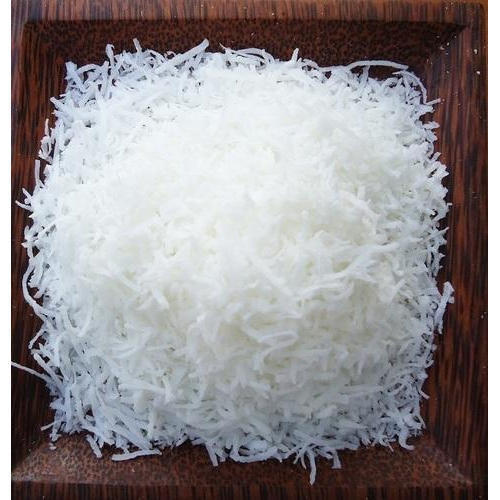
GTI Dryers Successfully Develops Coconut Milk Powder Application
GTI Dryers has successfully developed and demonstrated a dehydration solution for coconut milk powder using Refractance Window Dryer technology.
This is an important development because coconut milk is a complex food material requiring careful consideration of product characteristics, thermal exposure, final powder quality and industrial handling requirements.
Rather than presenting RWD only as a theoretical technology, GTI can now point to a successful coconut milk powder application developed through its drying expertise.
This gives coconut processors and food manufacturers an opportunity to approach GTI not simply as an equipment supplier, but as a technology and drying-solution partner for specialized coconut applications.
The exact process route remains confidential.
That confidentiality is intentional.
GTI believes that successful process-development work should demonstrate engineering capability without publicly revealing the intellectual property that makes the application commercially valuable.
Why Coconut Milk Powder Is an Important Opportunity
Coconut milk has become an increasingly valuable ingredient in the global food and beverage industry.
It is used in:
- Plant-based beverages
- Vegan food products
- Bakery products
- Confectionery
- Desserts
- Sauces and soups
- Instant food formulations
- Food ingredient manufacturing
- Ready-to-use formulations
- Coconut-based nutritional products
However, fresh coconut milk contains substantial moisture and is considerably more difficult to store and transport than a dry ingredient.
Coconut milk powder provides a dry, convenient ingredient format for manufacturers and food formulators.
It can potentially simplify:
- Storage
- Transportation
- Bulk handling
- Ingredient formulation
- Export logistics
- Shelf-stable product development
- Industrial food manufacturing
GTI’s successful Refractance Window Dryer application adds another technological option to this growing coconut-processing segment.
What Is Refractance Window Dryer Technology?
A Refractance Window Dryer (RWD) is an advanced continuous drying technology used for liquid and semi-liquid food materials.
The technology is particularly interesting for products where manufacturers want controlled dehydration and careful management of thermal exposure.
RWD systems use efficient heat transfer through a specialized food-grade film to dry a thin product layer. The technology has been studied extensively for food materials, including its drying behaviour, product quality and energy performance.
GTI’s existing RWD technology portfolio identifies applications across food, dairy, nutraceutical and other heat-sensitive products.
For coconut milk, the significance is not simply that the material can be dried.
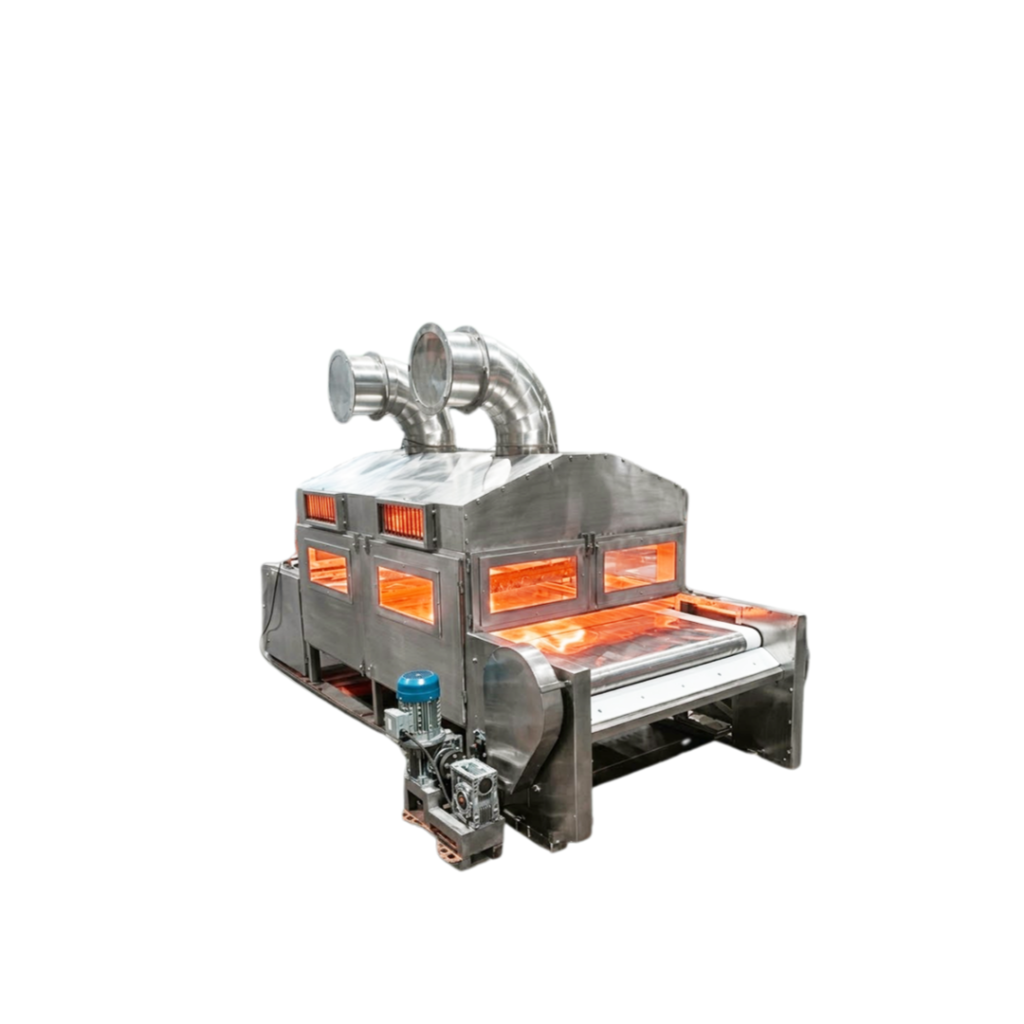
The greater question is:
Can an industrial drying technology be engineered around the characteristics of coconut milk to achieve the required final powder specification?
GTI Dryers has successfully demonstrated its capability in this area.
GTI’s Coconut Milk Powder Development: What Makes It Different?
The coconut industry contains many conventional drying applications.
Coconut flakes, desiccated coconut, coconut powder, coconut cake and other solid materials can be handled through established industrial drying technologies.
However, coconut milk powder is a liquid-derived, value-added ingredient with different engineering considerations.
GTI’s successful application demonstrates expertise in:
Advanced Food Dehydration
GTI has developed a specialized dehydration solution around a coconut-based liquid food ingredient.
Refractance Window Technology
The project demonstrates practical application of RWD technology beyond commonly discussed fruit, vegetable and puree applications.
Coconut Industry Engineering
GTI already develops drying systems for multiple coconut products and has expanded its technology capability into specialized coconut milk powder applications.
Application-Specific Development
The project reinforces GTI’s approach of developing drying solutions according to the actual product rather than simply recommending a standard machine.
The Proprietary Coconut Milk Powder Process Remains Confidential
A successful industrial drying application involves more than the dryer itself.
It can involve proprietary knowledge relating to:
- Product preparation
- Feed characteristics
- Drying conditions
- Material behaviour
- Product-layer management
- Thermal control
- Moisture management
- Powder recovery
- Product handling
- Process integration
- Quality optimization
GTI does not disclose the proprietary processing route used for its coconut milk powder development.
This article therefore intentionally avoids:
- Process-flow details
- Operating temperatures
- Residence times
- Product-layer specifications
- Feed conditions
- Drying parameters
- Formulation information
- Equipment configuration details
- Proprietary process-control methodology
Instead, the focus is on what potential customers need to know:
GTI has successfully developed the application.
Why Refractance Window Drying Is Relevant to Coconut Milk Powder
Coconut milk can present several challenges for industrial dehydration.
Depending on formulation and product specification, manufacturers may need to consider:
- Moisture content
- Fat content
- Solids concentration
- Viscosity
- Thermal sensitivity
- Desired powder characteristics
- Solubility
- Dispersibility
- Aroma
- Colour
- Nutritional characteristics
- Storage stability
These characteristics influence dryer selection and system design.
RWD is particularly relevant to food applications where controlled thin-layer drying and careful thermal management are important.
Research literature has identified Refractance Window Drying as a promising technology for food dehydration, while emphasizing that material properties and process conditions are important considerations when designing and scaling a system.
Therefore, GTI does not position RWD as a universal replacement for every coconut drying technology.
Instead, GTI evaluates where RWD can create a technical and commercial advantage for a particular coconut product.
Coconut Milk Powder: From Raw Coconut to Global Food Ingredient
The value of coconut processing is increasingly moving toward value-added ingredients.
Instead of selling only raw or minimally processed coconut products, manufacturers can develop higher-value ingredients for international food companies.
Coconut milk powder can support applications such as:
Plant-Based Food
- Vegan food formulations
- Dairy alternatives
- Plant-based beverages
- Non-dairy formulations
Beverage Industry
- Instant coconut beverages
- Beverage premixes
- Smoothie formulations
- Coconut-based drink mixes
Bakery & Confectionery
- Cakes
- Biscuits
- Desserts
- Fillings
- Chocolate and confectionery formulations
Food Ingredients
- Sauces
- Soups
- Ready meals
- Instant food formulations
- Specialty food ingredients
The exact application depends on the formulation and final product specifications.
Coconut Milk Powder Drying: Why Technology Selection Matters
There is no single dryer that is automatically suitable for every coconut product.
For example:
| Technology | Typical Application Area | Coconut-Related Possibility |
| Refractance Window Dryer | Liquid/semi-liquid heat-sensitive food materials | Selected coconut milk and specialty applications |
| Spray Dryer | Liquid-to-powder production | Coconut milk and coconut cream powders |
| Fluid Bed Dryer | Particulate drying and powder conditioning | Secondary drying/cooling where appropriate |
| Band/Belt Dryer | Continuous drying of solids | Coconut flakes, slices and other solid products |
| Freeze Dryer | Premium heat-sensitive materials | Selected high-value coconut products |
| Drum Dryer | Suitable liquid/paste food materials | Selected coconut-based formulations |
| Vacuum Dryer | Specialized low-pressure drying | Selected heat-sensitive applications |
GTI’s existing coconut-drying portfolio includes multiple drying technologies for different coconut products.
This is important for buyers because dryer selection should follow the product requirement, not the other way around.
GTI’s Coconut Industry Experience
GTI’s coconut-related engineering work extends across multiple coconut products and international markets.
Its published customer and project information includes coconut-processing businesses in markets including Vietnam, Thailand, Indonesia, the Philippines, Mexico, Mozambique, Côte d’Ivoire and India.
This international exposure is valuable for coconut-processing companies evaluating an overseas industrial drying supplier.
It means GTI can approach a coconut project with awareness of different:
- Product types
- Production scales
- Market requirements
- Plant environments
- Export requirements
- Dryer configurations
- Application challenges
The successful coconut milk powder development using RWD adds another specialized application to this broader coconut-processing capability.
What This Means for Coconut Processors
If you manufacture or process coconut products, the important question is not necessarily:
“Do I need a Refractance Window Dryer?”
The better question is:
“What is the most appropriate drying technology for my coconut product and final application?”
GTI can evaluate this question with you.
Your product may be:
- Coconut milk
- Coconut cream
- Coconut milk concentrate
- Coconut beverage base
- Coconut-based liquid ingredient
- Coconut protein formulation
- Coconut extract
- Coconut puree
- Coconut powder
- Desiccated coconut
- Coconut flakes
- Coconut chips
Depending on the product, GTI can evaluate different drying technologies and system configurations.
Why GTI’s RWD Coconut Milk Powder Development Creates a Commercial Advantage
For a coconut-processing company, developing a new product can involve considerable technical uncertainty.
The company may already know:
“We want to manufacture coconut milk powder.”
But it may not know:
“Which industrial drying technology should we use?”
This is where GTI’s application-development experience becomes valuable.
The successful coconut milk powder RWD development demonstrates that GTI can work with a specialized coconut product and develop a drying solution around the required application.
That creates an opportunity for companies looking to move from:
Coconut Processing → Advanced Dehydration → Value-Added Ingredient → Global Food Market
A Potential Technology Partner for Global Coconut Businesses
Coconut-producing countries across Asia, Africa, Latin America and other tropical regions are increasingly developing value-added coconut industries.
Important coconut-processing markets include:
- India
- Indonesia
- Philippines
- Vietnam
- Thailand
- Sri Lanka
- Malaysia
- Brazil
- Mexico
- African coconut-producing markets
- Middle Eastern food-processing markets
- European ingredient markets
For companies in these markets, access to specialized drying technology can support the development of higher-value coconut ingredients.
GTI Dryers provides an engineering platform for evaluating such applications.
Who Should Contact GTI About Coconut Milk Powder Drying?
This development is particularly relevant to:
Coconut Processors
Companies producing coconut milk, coconut cream and other liquid coconut products.
Food Ingredient Manufacturers
Companies supplying ingredients to beverage, bakery, confectionery and food manufacturers.
Plant-Based Food Companies
Businesses developing dairy-alternative and plant-based formulations.
Coconut Exporters
Companies looking to convert coconut products into higher-value exportable ingredients.
New Product Developers
Businesses developing new coconut-based food products and requiring industrial drying expertise.
Food Processing Equipment Buyers
Companies evaluating RWD, spray drying or other industrial drying technologies for coconut applications.
What Information Should You Share With GTI?
You do not need to decide the dryer technology before contacting GTI.
For an initial technical discussion, useful information includes:
- Product name
- Feed form
- Approximate moisture
- Solids content
- Fat content
- Feed viscosity
- Desired final moisture
- Desired powder characteristics
- Production capacity
- End-use application
- Packaging requirements
- Existing processing infrastructure
- Available heat/energy source
- Plant location
- Automation requirements
GTI can then evaluate the application and identify the appropriate engineering direction.
GTI Dryers: From Drying Equipment to Application Engineering
GTI Dryers develops industrial drying and dehydration solutions for food, coconut, agricultural, chemical, pharmaceutical and specialty applications.
Its technology portfolio includes:
- Refractance Window Dryers
- Spray Dryers
- Fluid Bed Dryers
- Vibratory Fluid Bed Dryers
- Band/Belt Dryers
- Vacuum Dryers
- Drum Dryers
- Flash Dryers
- Ring Dryers
- Hybrid and multi-stage drying systems
The advantage of having multiple drying technologies is that GTI can evaluate the product first and technology second.
This is particularly important in specialized food applications.
Frequently Asked Questions
Can coconut milk be converted into powder using a Refractance Window Dryer?
GTI Dryers has successfully developed and demonstrated a coconut milk powder dehydration application using Refractance Window Dryer technology. The proprietary process details are confidential and are not disclosed publicly.
What is a Refractance Window Dryer?
A Refractance Window Dryer is a continuous drying technology used primarily for liquid and semi-liquid food materials. It uses controlled heat transfer through a specialized film to support rapid dehydration of thin product layers.
Is Refractance Window Dryer the same as a spray dryer?
No. RWD and spray drying use fundamentally different drying approaches. Spray dryers atomize liquid feed into droplets, while RWD is a thin-layer drying technology. The appropriate choice depends on the product and desired powder characteristics.
Does GTI reveal the coconut milk powder drying process?
No. GTI intentionally keeps proprietary process conditions, process sequences and engineering parameters confidential.
Can GTI manufacture a customized coconut milk powder dryer?
GTI can evaluate customized industrial drying solutions based on product characteristics, production capacity and final product requirements.
Can GTI help companies developing new coconut products?
Yes. Coconut processors and food businesses can approach GTI during product-development or industrial-scale-up stages to discuss suitable drying technologies.
Does GTI supply coconut drying systems internationally?
GTI has published coconut-related customer and project experience across multiple international markets, including Asia, Africa and Latin America.
Conclusion: GTI Takes Coconut Drying Beyond Conventional Applications
The successful development of coconut milk powder using Refractance Window Dryer technology demonstrates GTI Dryers’ ability to work on specialized and technically demanding food dehydration applications.
It also highlights an important change in the coconut industry.
The future of coconut processing is not limited to conventional products.
There is increasing opportunity to develop:
Coconut Milk → Coconut Milk Powder → Food Ingredient → Value-Added Product → Global Market
GTI Dryers is helping make that transition possible through application-focused drying engineering.
The company does not simply ask:
“Which dryer can remove the moisture?”
It asks:
“Which drying technology can help the manufacturer achieve the required product and commercial objective?”
For coconut processors, food ingredient manufacturers, plant-based food companies and businesses developing new coconut products, this distinction can be important.
Developing Coconut Milk Powder or Another Coconut-Based Product?
Talk to GTI Dryers about your application.
Share your product, production capacity and final-product requirements with our engineering team to explore a suitable industrial dehydration solution.
GTI Dryers — Engineered Drying Solutions from India for Global Industries.