Chemical Drying Systems: Advanced Industrial Drying Solutions for Modern Chemical Manufacturing
In today’s rapidly evolving chemical industry, product quality depends on much more than the formulation itself. Moisture control has become one of the most critical factors influencing chemical stability, flowability, storage life, transportation, downstream processing, and final product performance. From specialty chemicals and catalysts to pigments, fertilizers, polymers, minerals, and fine chemicals, achieving the correct moisture level is essential for maintaining product consistency and meeting international quality standards.
Modern manufacturers are no longer looking for standalone machines—they require integrated process solutions that improve production efficiency while reducing operational costs. This is where advanced industrial drying solutions play a vital role. By combining process engineering, thermal efficiency, automation, and application-specific design, manufacturers can achieve reliable drying performance while preserving valuable product characteristics.
At GTI Dryers, we develop customized drying technologies that address the diverse needs of chemical processing industries around the world. Every project is engineered based on material behavior, production capacity, utility availability, energy requirements, and process objectives. Rather than supplying standard equipment, our engineering team focuses on designing systems that integrate seamlessly into complete production lines and support long-term operational performance.
Whether you manufacture inorganic chemicals, organic compounds, specialty powders, pigments, resins, catalysts, agrochemicals, or advanced materials, selecting the right drying technology can significantly improve productivity, reduce waste, and enhance product quality.
What Are Chemical Drying Systems?
Chemical Drying Systems are engineered process solutions designed to remove moisture, solvents, or volatile liquids from chemical products after filtration, crystallization, precipitation, reaction, washing, or separation. These systems use carefully controlled heat transfer, airflow, and residence time to achieve the desired final moisture level while protecting the physical and chemical properties of the material.
Unlike general-purpose dryers, industrial drying systems for chemicals must accommodate a wide range of product characteristics. Some materials are heat-sensitive and require gentle low-temperature drying, while others demand rapid moisture removal for high-volume production. Certain products may be sticky, abrasive, corrosive, hygroscopic, or solvent-bearing, requiring specialized equipment and precise process control.
The primary objective is not simply to evaporate moisture but to deliver a stable, free-flowing, and high-quality product suitable for storage, packaging, or further processing.
Why Moisture Control Is Critical in Chemical Manufacturing
Even small variations in moisture content can significantly impact the performance and market value of chemical products. Excess moisture can lead to caking, microbial growth, reduced shelf life, inconsistent reactions, poor flow characteristics, and difficulties during packaging or transportation. On the other hand, excessive drying may damage sensitive materials, alter particle morphology, or increase unnecessary energy consumption.
Proper moisture management helps manufacturers achieve:
- Consistent product quality
- Improved storage stability
- Enhanced flowability
- Better handling and packaging performance
- Reduced contamination risks
- Higher production efficiency
- Compliance with customer specifications
- Improved downstream processing
- Longer product shelf life
- Lower operating costs
By integrating advanced thermal engineering with precise process control, modern drying technologies ensure that every production batch meets strict quality and performance requirements.
The Role of Drying in Chemical Processing
Drying is one of the final and most important stages in many chemical manufacturing processes. Before a product reaches packaging or shipment, excess moisture must often be removed to ensure stability and usability.
Industrial drying solutions are commonly integrated after:
- Filtration
- Centrifugation
- Crystallization
- Chemical reactions
- Washing operations
- Neutralization
- Slurry preparation
- Precipitation processes
Removing moisture at this stage improves product quality while preparing the material for storage, transportation, blending, granulation, milling, or packaging.
Understanding the Science Behind Industrial Drying
Successful drying is based on the interaction of heat transfer and mass transfer.
Heat provides the energy needed to evaporate moisture, while mass transfer allows water vapor or solvents to migrate away from the material into the surrounding drying medium.
The drying process generally involves:
- Supplying thermal energy to the product.
- Evaporating surface moisture.
- Allowing internal moisture to migrate outward.
- Removing vapor through controlled airflow or vacuum conditions.
- Achieving the desired final moisture content without compromising product quality.
Each chemical behaves differently during drying, making application-specific engineering essential for efficient and reliable operation.
Characteristics of Chemical Products That Influence Dryer Selection
No single drying technology is suitable for every chemical product. The selection of equipment depends on the physical, thermal, and processing characteristics of the material.
Important factors include:
- Initial moisture content
- Required final moisture level
- Particle size and distribution
- Bulk density
- Product temperature sensitivity
- Stickiness
- Hygroscopic nature
- Abrasiveness
- Corrosiveness
- Solvent content
- Flow characteristics
- Production capacity
- Safety requirements
Carefully evaluating these properties enables engineers to recommend the most appropriate drying technology for each application.
Industries That Depend on Industrial Drying Solutions
Industrial drying technology supports a wide range of manufacturing sectors worldwide.
Fine Chemicals
Drying intermediates, specialty compounds, and high-value formulations.
Specialty Chemicals
Processing additives, performance chemicals, and advanced formulations.
Petrochemicals
Drying catalysts, polymers, and chemical intermediates.
Agrochemicals
Production of pesticides, herbicides, fertilizers, and micronutrients.
Pharmaceutical Chemicals
Drying active ingredients, intermediates, and excipients under controlled conditions.
Pigments & Dyes
Moisture removal while maintaining color consistency and particle quality.
Minerals & Inorganic Chemicals
Drying salts, oxides, carbonates, and industrial minerals.
Battery Materials
Preparation of advanced materials used in energy storage applications.
Polymer & Resin Manufacturing
Reducing residual moisture before extrusion, molding, or packaging.
Benefits of Advanced Process Drying Technology
A properly engineered drying system delivers measurable improvements throughout the production process.
Key advantages include:
- Higher production efficiency
- Better moisture uniformity
- Reduced energy consumption
- Improved product consistency
- Lower maintenance requirements
- Enhanced automation
- Increased operational reliability
- Reduced product loss
- Improved workplace safety
- Lower overall production costs
These benefits contribute to higher productivity and improved competitiveness in global chemical markets.
Why Application-Specific Engineering Matters
Every chemical process presents unique challenges. Rather than relying on standard equipment designs, successful projects begin with understanding the product and the production process.
At GTI Dryers, our engineering approach focuses on evaluating material behavior, thermal requirements, and operational objectives before selecting or designing the most suitable drying solution. This ensures that every system is optimized for performance, efficiency, and long-term reliability.
Choosing the Right Drying Technology for Chemical Manufacturing
Every chemical product behaves differently during the drying process. Some materials require rapid moisture removal to maintain production efficiency, while others need gentle drying to preserve particle structure, chemical composition, or product performance.
Selecting the appropriate drying technology is not simply about purchasing a machine. It involves understanding product characteristics, process objectives, energy availability, production capacity, and future operational requirements.
At GTI Dryers, every drying solution is selected after evaluating the complete manufacturing process rather than recommending a standard piece of equipment. This engineering-first approach helps manufacturers improve efficiency, reduce operating costs, and maintain consistent product quality.
Common Types of Industrial Drying Technologies
Modern chemical manufacturing uses several drying technologies, each designed for specific materials and production conditions.
Belt Drying Systems
Continuous belt drying is widely used for products that require gentle moisture removal and long residence times.
The material is distributed evenly on a moving conveyor belt and passes through multiple temperature-controlled drying zones.
Suitable For
- Specialty chemicals
- Organic chemicals
- Fine powders
- Granules
- Fertilizer products
- Bio-based chemicals
Advantages
- Continuous operation
- Gentle product handling
- Uniform drying
- Low product degradation
- Easy automation
- High production capacity
Paddle Drying Systems
Paddle drying uses indirect heat transfer through heated shafts and hollow paddles to dry sticky, pasty, or sludge-like materials.
Since heat is transferred through metal surfaces instead of direct hot air, thermal efficiency is significantly improved.
Suitable For
- Chemical sludge
- Filter cake
- Pigments
- Dyes
- Catalyst residues
- High-moisture materials
Advantages
- Excellent thermal efficiency
- Closed operation
- Low dust generation
- Solvent recovery capability
- Simultaneous mixing and drying
- Reduced emissions
Flash Drying Systems
Flash drying is designed for rapid drying of powders and lightweight materials.
Wet material is dispersed into a high-velocity stream of heated air where moisture evaporates within seconds.
Suitable For
- Fine chemicals
- Pigments
- Starches
- Minerals
- Agrochemicals
- Polymer powders
Advantages
- Extremely fast drying
- Compact equipment
- High production rates
- Uniform product quality
- Reduced residence time
Spray Drying Systems
Spray drying converts liquid solutions or slurries into free-flowing powders by atomizing the feed into a controlled hot air stream.
Suitable For
- Chemical solutions
- Specialty chemicals
- Liquid formulations
- Ceramic materials
- Battery chemicals
Advantages
- Uniform particle size
- High-quality powders
- Continuous production
- Excellent flowability
- Controlled moisture levels
Rotary Drum Drying Systems
Rotary drum drying is one of the most widely used technologies for bulk solids.
The rotating drum continuously tumbles the material while heated air removes moisture.
Suitable For
- Minerals
- Fertilizers
- Salts
- Sand
- Bulk chemicals
- Industrial powders
Advantages
- High throughput
- Rugged construction
- Low maintenance
- Reliable operation
- Suitable for abrasive materials
Vibratory Fluid Bed Drying Systems
Fluid bed technology suspends particles using controlled airflow while vibration assists product movement and improves drying uniformity.
Suitable For
- Crystalline chemicals
- Fine powders
- Granules
- Heat-sensitive products
- Food-grade chemicals
Advantages
- Uniform moisture
- Excellent heat transfer
- Short drying time
- Low energy consumption
- Gentle product handling
Vacuum Drying Systems
Vacuum drying lowers the boiling point of water or solvents, allowing moisture removal at lower temperatures.
Suitable For
- Heat-sensitive chemicals
- Pharmaceutical intermediates
- High-value specialty products
- Solvent-containing materials
Advantages
- Low-temperature drying
- Product protection
- Solvent recovery
- Closed processing
- Improved safety
Direct vs Indirect Drying
Selecting between direct and indirect heating is one of the most important engineering decisions.
Direct Drying
The product comes into direct contact with heated air or combustion gases.
Benefits
- Faster drying
- Higher evaporation rate
- Lower equipment cost
- Suitable for robust materials
Applications
- Minerals
- Fertilizers
- Bulk chemicals
Indirect Drying
Heat is transferred through metal surfaces without direct contact between the heating medium and the product.
Benefits
- Better product purity
- Higher thermal efficiency
- Lower emissions
- Suitable for hazardous materials
- Easier solvent recovery
Applications
- Pharmaceutical chemicals
- Fine chemicals
- Pigments
- Filter cake
- Specialty chemicals
Batch vs Continuous Drying
Chemical manufacturers often choose between batch and continuous production depending on capacity and product requirements.
| Feature | Batch Drying | Continuous Drying |
| Production Volume | Low to Medium | Medium to High |
| Automation | Moderate | High |
| Product Consistency | Good | Excellent |
| Labor Requirement | Higher | Lower |
| Energy Efficiency | Moderate | High |
| Operating Cost | Higher | Lower |
| Scalability | Limited | Excellent |
Continuous systems are generally preferred for large-scale manufacturing where consistent quality and productivity are priorities.
Typical Process Flow
Although each plant is customized, most industrial drying processes follow a similar sequence:
Raw Material
↓
Reaction / Mixing
↓
Filtration or Centrifugation
↓
Wet Cake or Slurry
↓
Feeding System
↓
Industrial Drying Unit
↓
Cooling
↓
Screening or Milling (if required)
↓
Packaging
↓
Finished Product
This integrated process ensures efficient moisture removal while maintaining product quality.
Automation & Smart Manufacturing
Modern drying systems increasingly incorporate intelligent automation to improve consistency, traceability, and operational efficiency.
Typical automation features include:
- PLC control systems
- SCADA monitoring
- Touchscreen HMI
- Variable Frequency Drives (VFD)
- Temperature sensors
- Pressure monitoring
- Moisture monitoring
- Automatic alarms
- Data logging
- Remote diagnostics
Automation minimizes manual intervention and helps maintain stable production conditions.
How Engineers Select the Right Drying Solution
Choosing the right drying technology requires balancing technical and commercial factors.
Key evaluation criteria include:
- Product characteristics
- Moisture reduction requirements
- Throughput capacity
- Product sensitivity
- Utility availability
- Available floor space
- Energy consumption
- Safety regulations
- Environmental requirements
- Expansion plans
A well-designed system considers the complete manufacturing process rather than focusing solely on equipment specifications.
Why GTI Dryers Focuses on Process Engineering
At GTI Dryers, equipment selection begins with understanding the customer’s production goals. Every project is evaluated based on material properties, process conditions, production targets, and long-term operational requirements.
This application-focused approach allows us to recommend the most appropriate drying technology, whether it involves indirect heating, continuous processing, vacuum drying, or integrated turnkey solutions.
Rather than supplying a single machine, GTI Dryers develops engineered drying systems that improve efficiency, product quality, and overall plant performance.
Why Moisture Control Determines Chemical Product Quality
In chemical manufacturing, moisture is more than just water content—it directly affects product performance, processing efficiency, storage stability, transportation, and customer satisfaction. Even a slight variation in residual moisture can change the physical and chemical characteristics of a product, making precise drying one of the most important stages in production.
Manufacturers worldwide rely on accurate moisture control to ensure every production batch meets customer specifications and international quality standards.
Proper drying helps achieve:
- Consistent particle size distribution
- Improved flowability
- Better storage stability
- Reduced caking
- Enhanced chemical stability
- Easier downstream processing
- Improved packaging efficiency
- Longer shelf life
- Higher product value
- Consistent manufacturing quality
Well-controlled drying also minimizes waste, reduces production losses, and supports repeatable manufacturing performance.
How Drying Influences Chemical Performance
The effectiveness of many chemical products depends on maintaining controlled physical properties throughout production and storage.
Proper moisture removal helps maintain:
Flowability
Dry materials move more easily through conveyors, feeders, silos, and packaging equipment, improving process efficiency.
Particle Stability
Controlled drying preserves particle integrity and reduces unwanted agglomeration or degradation.
Product Purity
Well-designed drying systems reduce contamination risks while supporting consistent product quality.
Storage Performance
Stable moisture content minimizes deterioration during long-term storage and transportation.
Downstream Processing
Products with consistent moisture levels perform more reliably during blending, granulation, milling, coating, and packaging.
Products That Can Be Processed
Modern industrial drying systems are designed to handle a broad range of chemical products.
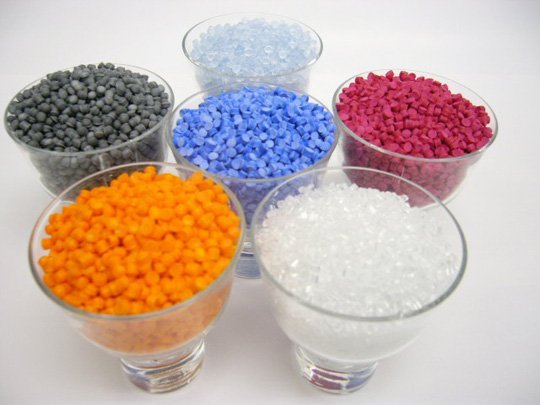
Typical applications include:
- Organic chemicals
- Inorganic chemicals
- Specialty chemicals
- Fine chemicals
- Agrochemicals
- Pigments
- Dyes
- Catalysts
- Resins
- Polymer powders
- Silica products
- Carbon black
- Industrial salts
- Metal oxides
- Fertilizers
- Battery materials
- Ceramic powders
- Activated carbon
- Filter cake
- Chemical sludge
Because each material behaves differently during drying, application-specific engineering is essential for reliable operation.
Industries That Benefit from Industrial Drying Technology
Industrial drying is a core process across many manufacturing sectors.
Specialty Chemical Manufacturing
Production of high-value formulations requiring precise moisture control.
Petrochemical Industry
Processing catalysts, additives, and polymer intermediates.
Fertilizer Industry
Drying granules and powders to improve storage stability and handling.
Pigment & Dye Manufacturing
Maintaining particle quality while reducing residual moisture.
Pharmaceutical Chemical Industry
Controlled drying of intermediates and excipients under carefully regulated conditions.
Battery Material Production
Preparation of lithium, graphite, and other advanced materials requiring stable moisture levels.
Mineral Processing
Drying industrial minerals before storage, blending, or shipment.
Environmental Engineering
Treatment and drying of industrial sludge and by-products to reduce waste volume and improve handling.
Advantages of Modern Drying Solutions
Compared with traditional methods, engineered drying systems offer significant operational improvements.
Benefits include:
- Continuous production capability
- Better process control
- Consistent product quality
- Reduced energy consumption
- Higher productivity
- Lower labor requirements
- Improved operational safety
- Better environmental performance
- Reduced maintenance
- Increased production flexibility
These advantages help manufacturers improve profitability while maintaining reliable production standards.
Sustainability Through Efficient Process Design
Sustainability has become an important objective for chemical manufacturers worldwide. Modern drying systems are increasingly designed to improve resource efficiency while reducing environmental impact.
Engineering improvements include:
- Optimized thermal efficiency
- Variable Frequency Drives (VFD)
- High-performance insulation
- Heat recovery systems
- Optimized airflow management
- Closed-loop drying options
- Reduced fuel consumption
- Lower greenhouse gas emissions
- Reduced material waste
- Improved utility utilization
Energy-efficient process design not only reduces operating costs but also supports long-term sustainability goals.
Automation for Smarter Chemical Manufacturing
Industry 4.0 technologies are transforming modern drying operations.
Advanced automation enables:
- Continuous process monitoring
- Automatic temperature control
- Airflow optimization
- Moisture monitoring
- Predictive maintenance
- Production data logging
- Remote diagnostics
- Alarm management
- Batch traceability
- Process optimization
Smart automation improves consistency while helping manufacturers make data-driven operational decisions.
How Industrial Drying Technologies Are Searched Across Global Markets
Chemical manufacturers, EPC contractors, consultants, and procurement professionals often search using different engineering terminology depending on their region and industrial standards. While English remains the global language for technical documentation, many buyers begin their research using familiar local terms before comparing international suppliers.
By incorporating internationally recognized engineering language alongside regional search terminology, GTI Dryers improves discoverability across global chemical processing markets while keeping the content natural for English-speaking audiences.
| Country / Region | Common Industry Search Term |
| 🇮🇳 India | Industrial Chemical Drying Systems, Chemical Dryer Manufacturer |
| 🇸🇬 Singapore | Chemical Process Drying Solutions |
| 🇲🇾 Malaysia | Industrial Drying Equipment for Chemicals |
| 🇮🇩 Indonesia | Produsen Sistem Pengering Kimia, Mesin Pengering Industri Kimia |
| 🇹🇭 Thailand | ผู้ผลิตระบบอบแห้งอุตสาหกรรมเคมี |
| 🇻🇳 Vietnam | Nhà sản xuất hệ thống sấy hóa chất công nghiệp |
| 🇨🇳 China | 化工干燥系统制造商 |
| 🇯🇵 Japan | 化学乾燥システムメーカー |
| 🇰🇷 South Korea | 화학 건조 시스템 제조업체 |
| 🇩🇪 Germany | Chemische Trocknungssysteme Hersteller |
| 🇧🇷 Brazil | Fabricantes de Sistemas de Secagem Industrial |
| 🌍 Middle East | شركة تصنيع أنظمة تجفيف المواد الكيميائية |
Why This Matters
Different regions use different technical expressions for similar equipment. Including natural multilingual terminology helps search engines and AI systems understand the global relevance of your content while improving visibility for international buyers looking for reliable process engineering solutions.
Why Manufacturers Choose GTI Dryers
Selecting a drying system is a strategic investment that influences production efficiency, product quality, and operating costs for many years.
GTI Dryers supports customers through an engineering-driven approach that focuses on the complete production process rather than a single piece of equipment.
Every project begins with understanding:
- Product characteristics
- Moisture reduction objectives
- Capacity requirements
- Available utilities
- Plant layout
- Safety requirements
- Automation preferences
- Future expansion plans
This enables the development of drying solutions tailored to specific operational goals and long-term manufacturing needs.
Beyond Equipment: Complete Process Engineering
Modern manufacturing requires more than machinery. Successful projects depend on integrating process knowledge, thermal engineering, automation, and ongoing technical support.
GTI Dryers provides:
- Process consultation
- Application engineering
- Pilot testing support
- Thermal calculations
- Equipment customization
- Turnkey project integration
- Installation guidance
- Commissioning support
- Operator training
- Technical after-sales assistance
By combining engineering expertise with industry experience, GTI Dryers helps manufacturers optimize performance throughout the lifecycle of their production systems.
Engineering Design Principles Behind Modern Industrial Drying Solutions
Industrial drying is one of the most energy-intensive operations in chemical manufacturing. However, achieving efficient moisture removal requires much more than supplying heat. Every successful drying project is built on a combination of thermal engineering, product behavior analysis, airflow management, process automation, and equipment optimization.
A well-designed drying system removes moisture uniformly while preserving product quality, minimizing energy consumption, reducing emissions, and maintaining operational safety. This balance is achieved through careful engineering rather than increasing operating temperature.
At GTI Dryers, every project begins with a detailed evaluation of the material’s physical, thermal, and chemical properties. Instead of offering standard equipment, our engineering team develops customized drying solutions based on product behavior, production capacity, process requirements, and long-term operational goals.
This engineering-driven methodology helps manufacturers achieve higher efficiency, lower operating costs, and reliable production performance.
Designing the Drying Process Around the Product
Every chemical product behaves differently when exposed to heat. Some materials dry rapidly with minimal energy, while others require controlled heating to prevent degradation, discoloration, agglomeration, or loss of valuable chemical properties.
For this reason, successful projects begin with understanding the material—not selecting equipment from a catalogue.
Key engineering considerations include:
- Initial moisture content
- Required final moisture level
- Product density
- Particle size distribution
- Product stickiness
- Hygroscopic behavior
- Abrasiveness
- Heat sensitivity
- Solvent content
- Product toxicity
- Dust generation tendency
- Production capacity
Evaluating these parameters enables engineers to determine the most appropriate drying technology, operating temperature, residence time, and process configuration.
Heat Transfer Engineering
Heat transfer is the driving force behind moisture evaporation. The efficiency of any drying system depends on how effectively thermal energy is delivered to the product.
Industrial drying typically involves three modes of heat transfer.
Conduction
Heat is transferred through direct contact with heated surfaces.
Commonly used in:
- Paddle Dryers
- Vacuum Dryers
- Drum Dryers
Advantages include:
- High thermal efficiency
- Uniform heating
- Lower heat loss
- Suitable for heat-sensitive products
Convection
Heat is transferred through hot air or process gases.
Used in:
- Belt Dryers
- Flash Dryers
- Spray Dryers
- Fluid Bed Dryers
- Rotary Dryers
Benefits include:
- Rapid moisture removal
- Continuous production
- High throughput
- Flexible operation
Radiation
Although less common in industrial chemical processing, radiant heating is sometimes used in specialized applications where additional surface heating is beneficial.
Understanding Drying Kinetics
Drying kinetics describe how moisture leaves the product during the drying cycle.
Most chemical materials dry in two stages.
Constant Rate Period
Surface moisture evaporates rapidly while evaporation speed remains relatively stable.
Falling Rate Period
After surface moisture is removed, internal moisture must migrate to the surface before evaporation can continue.
This stage usually determines:
- Total drying time
- Product quality
- Energy consumption
- Final moisture consistency
Understanding drying kinetics allows engineers to optimize drying performance without unnecessary energy use.
Moisture Migration Inside Chemical Products
Water molecules move through microscopic pores and particle structures before reaching the surface.
Moisture migration depends on:
- Temperature
- Particle size
- Product density
- Internal structure
- Air velocity
- Residence time
Improper process control may cause:
- Surface hardening
- Uneven drying
- Product cracking
- Agglomeration
- Reduced quality
Proper engineering ensures uniform moisture migration throughout the product.
Airflow Engineering
Air movement directly influences drying performance.
Well-designed airflow ensures:
- Uniform heat distribution
- Efficient moisture removal
- Stable product temperature
- Reduced drying time
- Improved energy efficiency
Engineers optimize:
- Air velocity
- Air direction
- Air temperature
- Air humidity
- Air recirculation
- Pressure balance
These parameters help maintain consistent drying conditions throughout production.
Residence Time Optimization
Residence time refers to how long material remains inside the drying equipment.
If residence time is too short:
- Product remains wet
- Quality becomes inconsistent
If residence time is too long:
- Product may degrade
- Energy consumption increases
- Productivity decreases
Proper residence time improves:
- Moisture uniformity
- Product quality
- Throughput
- Energy efficiency
Direct Heating vs Indirect Heating
Selecting the appropriate heating method depends on material characteristics and process objectives.
| Parameter | Direct Heating | Indirect Heating |
| Heat Source | Hot Air | Heated Surface |
| Product Contact | Yes | No |
| Drying Speed | High | Moderate |
| Product Purity | Moderate | Excellent |
| Energy Efficiency | Good | Very High |
| Solvent Recovery | Limited | Excellent |
| Dust Generation | Higher | Lower |
| Heat-Sensitive Materials | Moderate | Excellent |
Both technologies offer advantages depending on the application and production requirements.
Closed-Loop Drying Technology
Many modern manufacturing facilities prefer closed-loop drying systems for products requiring strict environmental control or solvent recovery.
Benefits include:
- Reduced emissions
- Improved product safety
- Solvent recovery
- Lower operating costs
- Better environmental compliance
- Stable process conditions
Closed-loop systems are particularly beneficial when processing valuable solvents or hazardous materials.
Explosion Protection & Process Safety
Many chemical powders can generate combustible dust, making process safety an essential consideration.
Engineering solutions include:
- Explosion vent panels
- Pressure relief systems
- Dust collection equipment
- Inert gas systems
- Spark detection
- Grounding systems
- Static control
- Temperature monitoring
Proper safety engineering helps reduce operational risks while protecting personnel and equipment.
Solvent Recovery Integration
Many chemical processes involve organic solvents that can be recovered and reused.
Integrated recovery systems provide:
- Lower solvent consumption
- Reduced emissions
- Improved environmental performance
- Lower production costs
- Better regulatory compliance
Recovering valuable solvents can significantly improve overall plant economics.
Automation & Intelligent Process Control
Digital automation has transformed modern industrial drying.
Advanced systems include:
- PLC automation
- SCADA visualization
- HMI touch panels
- Automatic temperature control
- Moisture monitoring
- Variable Frequency Drives
- Process alarms
- Historical data logging
- Production analytics
- Remote diagnostics
Automation improves repeatability while reducing operator dependency.
Energy Optimization Strategies
Energy costs account for a significant portion of industrial drying operations.
Several engineering strategies improve efficiency.
Heat Recovery
Recovering waste heat from exhaust gases lowers fuel consumption.
High-Efficiency Insulation
Proper insulation minimizes thermal losses.
Variable Frequency Drives
VFD technology adjusts motors according to process demand.
Benefits include:
- Lower electricity consumption
- Improved airflow control
- Reduced equipment wear
Intelligent Process Control
Automation continuously adjusts operating conditions to maximize efficiency.
Common Drying Challenges & Engineering Solutions
| Challenge | Cause | Engineering Solution |
| Uneven Moisture | Poor airflow | Air distribution redesign |
| Product Agglomeration | Excess moisture | Optimize residence time |
| High Energy Cost | Heat loss | Improve insulation |
| Product Degradation | Excess temperature | Optimize heat profile |
| Low Capacity | Improper sizing | Process redesign |
| Dust Generation | High air velocity | Improve airflow control |
Preventive engineering minimizes downtime while improving production consistency.
Preventive Maintenance Strategy
Reliable maintenance ensures long equipment life and consistent production.
Daily
- Temperature inspection
- Product quality check
- Visual equipment inspection
- Cleaning
Weekly
- Bearings inspection
- Fan inspection
- Sensor verification
- Drive inspection
Monthly
- Thermal performance evaluation
- Airflow measurement
- Calibration verification
Annual
- Complete system audit
- Heat transfer evaluation
- Automation verification
- Preventive component replacement
Industrial Applications Worldwide
Advanced drying technologies support manufacturers across diverse sectors, including:
- Specialty chemicals
- Fine chemicals
- Petrochemicals
- Fertilizers
- Pigments
- Dyes
- Catalysts
- Industrial minerals
- Battery materials
- Agrochemicals
- Polymer manufacturing
- Environmental processing
Each application requires a tailored engineering approach to achieve the desired product quality and operational efficiency.
Why GTI Dryers Focuses on Engineering, Not Just Equipment
At GTI Dryers, successful projects begin with process understanding rather than equipment selection. Our engineers evaluate product characteristics, production objectives, utility availability, and plant conditions to develop solutions that integrate efficiently into existing or new manufacturing facilities.
This engineering-led philosophy enables manufacturers to achieve:
- Stable product quality
- Higher production efficiency
- Reduced operating costs
- Improved energy utilization
- Reliable long-term performance
- Flexible plant expansion
Rather than supplying standalone machinery, GTI Dryers delivers customized industrial drying solutions that support sustainable growth and operational excellence.
Why Leading Chemical Manufacturers Choose GTI Dryers
Selecting a drying solution is more than purchasing industrial equipment—it’s an investment in production efficiency, product quality, operational reliability, and long-term business growth.
At GTI Dryers, we understand that every manufacturing facility has different production goals, utility conditions, product characteristics, and expansion plans. Instead of offering standard machines, we provide engineered drying solutions tailored to your process.
From concept development to commissioning, our engineering team works closely with customers to design systems that deliver consistent performance while reducing operational costs and maximizing return on investment.
Whether you are building a new production facility, expanding an existing plant, or upgrading an outdated drying process, GTI Dryers offers the technical expertise and engineering support required for successful project execution.
Our Engineering Approach
Every successful project begins with understanding the customer’s process rather than recommending equipment.
Our engineering methodology includes:
- Material evaluation
- Moisture analysis
- Process requirement assessment
- Capacity calculation
- Thermal engineering
- Utility optimization
- Equipment selection
- Process integration
- Automation planning
- Future expansion considerations
This application-focused approach enables manufacturers to achieve higher productivity, consistent product quality, and lower lifecycle costs.
Complete Turnkey Chemical Drying Solutions
GTI Dryers delivers complete process solutions rather than standalone equipment.
Our turnkey capabilities include:
Process Engineering
Detailed process analysis to determine the most suitable drying technology.
Plant Layout Design
Optimized equipment arrangement for efficient material handling and future scalability.
Mechanical Engineering
Custom equipment designed according to production requirements.
Process Automation
PLC-based automation, SCADA integration, HMI control systems, and remote monitoring.
Utility Integration
Steam systems, thermal oil heating, gas-fired systems, electrical integration, compressed air, and process utilities.
Installation & Commissioning
Professional supervision during equipment installation, startup, and performance validation.
Operator Training
Comprehensive training programs covering operation, maintenance, safety, and troubleshooting.
Industries We Serve Worldwide
GTI Dryers supports manufacturers across diverse chemical sectors.
Typical industries include:
- Specialty Chemicals
- Fine Chemicals
- Petrochemicals
- Agrochemicals
- Pigments
- Dyes
- Polymer Manufacturing
- Catalyst Production
- Industrial Minerals
- Fertilizers
- Battery Materials
- Ceramic Chemicals
- Environmental Engineering
- Waste Recovery
- Chemical Recycling
- Advanced Materials
Each application is engineered according to the customer’s product characteristics and production objectives.
Customized Solutions for Every Production Requirement
No two chemical products behave exactly the same.
Our engineering team customizes systems based on:
- Production capacity
- Moisture content
- Product sensitivity
- Particle size
- Bulk density
- Heat tolerance
- Utility availability
- Plant layout
- Environmental regulations
- Automation level
This customization improves process efficiency while supporting long-term operational reliability.
How to Select the Right Drying Solution
Choosing the correct drying technology requires evaluating several technical and commercial factors.
Consider the following:
Product Characteristics
Understand particle size, density, moisture content, stickiness, and thermal sensitivity.
Production Capacity
Evaluate current requirements while considering future expansion.
Energy Availability
Determine whether steam, thermal oil, electricity, natural gas, or hot water is available.
Product Quality Requirements
Different products require different drying temperatures and residence times.
Safety Considerations
Assess explosion risks, solvent handling, hazardous materials, and environmental compliance.
Operating Cost
Evaluate long-term energy consumption, maintenance, and lifecycle costs rather than initial investment alone.
Capacity Planning & Process Optimization
Proper equipment sizing is essential for reliable operation.
An oversized system increases capital investment and energy consumption.
An undersized system limits production capacity and product quality.
GTI Dryers performs detailed engineering calculations to determine:
- Feed rate
- Moisture removal requirement
- Evaporation load
- Airflow requirement
- Heat duty
- Utility consumption
- Residence time
- Equipment dimensions
Accurate sizing improves productivity while minimizing operating costs.
Factory Acceptance Testing (FAT)
Before shipment, equipment undergoes comprehensive inspection and performance verification.
Typical FAT activities include:
- Mechanical inspection
- Dimensional verification
- Motor testing
- Instrument calibration
- Automation testing
- Safety inspection
- Documentation review
- Customer witness testing
This process ensures equipment meets engineering specifications before delivery.
Site Acceptance Testing (SAT)
Following installation, performance verification is conducted under actual operating conditions.
SAT includes:
- Equipment inspection
- Utility verification
- Process validation
- Automation testing
- Safety checks
- Performance trials
- Operator training
- Final documentation
This ensures the system performs as intended within the customer’s production environment.
Installation & Commissioning Support
Proper installation significantly influences long-term equipment performance.
GTI Dryers provides:
- Installation supervision
- Alignment verification
- Utility connection guidance
- Instrument calibration
- Trial production
- Process optimization
- Performance monitoring
- Operator certification
Professional commissioning minimizes startup risks and accelerates production readiness.
Spare Parts & After-Sales Support
Reliable service extends equipment life and minimizes unplanned downtime.
Support includes:
- Genuine spare parts
- Preventive maintenance planning
- Technical consultation
- Remote troubleshooting
- Process optimization
- Equipment upgrades
- Performance audits
- Long-term service agreements
Sustainability Through Engineering Excellence
Modern manufacturing demands efficient use of energy and natural resources.
GTI Dryers incorporates sustainable engineering practices such as:
- Energy-efficient heat transfer
- Heat recovery integration
- Low-emission process design
- Reduced utility consumption
- High-efficiency insulation
- Intelligent automation
- Waste heat utilization
- Optimized airflow systems
These improvements reduce operating costs while supporting environmental objectives.
Frequently Asked Questions (FAQs)
1. How do I choose the right industrial drying technology?
The selection depends on material characteristics, production capacity, moisture requirements, thermal sensitivity, and process objectives.
2. Which industries commonly use industrial drying systems?
Chemical manufacturing, pharmaceuticals, fertilizers, petrochemicals, pigments, polymers, minerals, environmental processing, and many other industries.
3. Can drying systems be customized?
Yes. Engineering customization improves product quality, efficiency, and process reliability.
4. Do you provide turnkey projects?
Yes. GTI Dryers offers complete engineering, manufacturing, installation, automation, and commissioning support.
5. Can existing plants be upgraded?
Yes. Existing production lines can often be modernized to improve capacity, energy efficiency, and product quality.
6. Do you support international projects?
Yes. GTI Dryers works with customers across domestic and international markets, providing engineering support throughout the project lifecycle.
Why GTI Dryers Stands Apart
Manufacturers around the world increasingly seek partners who understand complete process engineering—not just machinery.
GTI Dryers combines:
- Process engineering expertise
- Application-specific design
- Customized manufacturing
- Advanced automation
- Energy-efficient technology
- Turnkey execution
- Global technical support
- Long-term service commitment
This integrated approach helps customers improve productivity, reduce operational costs, and achieve consistent product quality throughout the lifecycle of their manufacturing facilities.
EEAT: Building Confidence Through Engineering Expertise
Our approach is based on technical knowledge, real-world industrial experience, and application-specific engineering.
We support customers by providing:
- Detailed engineering consultation
- Transparent technical documentation
- Performance-focused design
- Customized project solutions
- Comprehensive installation support
- Ongoing technical assistance
This commitment strengthens trust and aligns with Google’s EEAT principles by demonstrating expertise, authority, and reliability.
Build a More Efficient Chemical Manufacturing Process with GTI Dryers
Every chemical manufacturing facility has unique challenges, from reducing moisture and improving product quality to lowering energy consumption and increasing production capacity. Choosing the right engineering partner can make a measurable difference in operational performance and long-term profitability.
Whether your project involves a new production line, plant modernization, process optimization, or a complete turnkey installation, GTI Dryers is ready to deliver tailored drying solutions backed by engineering expertise and global industry experience.
Connect with our engineering team to discuss your application, request a technical consultation, or explore a customized solution designed specifically for your manufacturing process.