
Industrial starch drying converts washed, dewatered starch into a stable powder for food, paper, textile and modified-starch plants. Whether the feedstock is cassava (tapioca), potato, corn (maize) or a modified starch, residual moisture, colour and particle integrity must meet customer specifications without gelatinising or scorching the product.
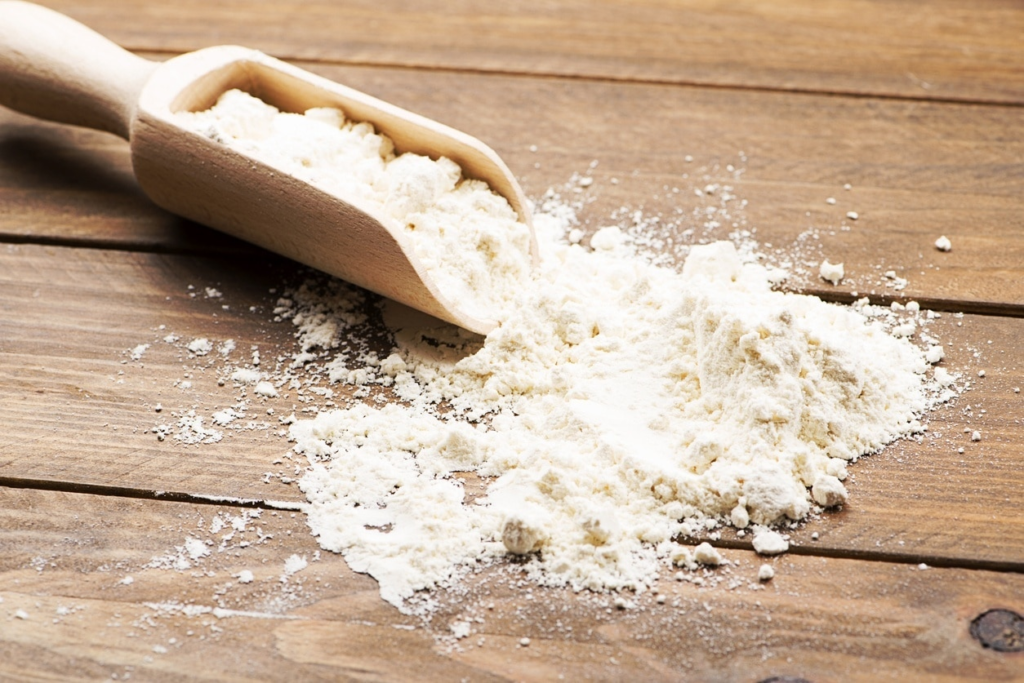
This guide helps buyers select and specify starch drying systems — with emphasis on the flash dryer route used widely for native starch, and on when spray or other systems apply for modified products.
Quick answer: Most native cassava, potato and corn starch plants dry dewatered starch in continuous flash (pneumatic) dryers, sometimes with conditioning or classification stages. Modified starches may use flash, spray or specialised routes depending on whether the feed is a wet cake, slurry or cooked paste. Size on peak wet-basis evaporation load and control inlet temperature against product limits.
1. Starch Types and What Changes in Drying
| Starch source | Typical industrial note for drying |
|---|---|
| Cassava / tapioca | Major tropical starch; flash drying after centrifuge/dehydrator is standard |
| Potato | Often sensitive to temperature and residence; careful profile needed |
| Corn / maize | Large-scale native starch trains; flash drying common after dewatering |
| Modified starch | Feed form varies (cake, slurry, pregelatinised paste) — technology follows form |
Botanical origin affects granule behaviour and heat sensitivity, but feed form after dewatering still decides the dryer family.
2. Native Starch Process Position of the Dryer
Text
Extraction / separation → Washing → Dewatering (centrifuge / vacuum filter / peeler)
        ↓
Flash drying (bulk moisture removal)
        ↓
Cooling / conveying → Screening / milling (as required) → Packing
Dewatering performance sets dryer size. A 2–3 percentage point rise in cake moisture can create a large extra evaporation load and turn a correctly sized dryer into a bottleneck.
3. Flash Dryers — The Workhorse for Native Starch
How flash drying fits starch
Wet starch is dispersed into a hot air stream. Moisture evaporates rapidly while particles are conveyed to cyclones/bag filters for separation.
Why starch plants choose flash systems
| Benefit | Practical result |
|---|---|
| Short residence time | Limits heat damage when temperatures are controlled |
| Continuous high capacity | Matches continuous wet mills |
| Handles wet cake/powder transition | After mechanical dewatering |
| Compact relative to some convective beds | Plant layout advantage |
Design points buyers must specify
- Inlet and outlet air temperatures (within product safety limits)
- Wet starch feed rate and moisture range
- Target residual moisture
- Powder separation efficiency (cyclone + fine filter strategy)
- Air heater type (steam, gas, thermic fluid, coal/biomass hot air — site dependent)
- Materials of construction and cleanability for food-grade starch
4. Other Technologies in Starch Drying
| Technology | Typical role |
|---|---|
| Fluid bed | Finish drying or cooling of partially dried starch; conditioning |
| Spray dryer | Modified starch solutions, some pregelatinised or specialty products from pumpable feed |
| Drum / roll dryers | Pregelatinised starch and certain specialty flake products |
| Belt dryers | Selected specialty or low-temperature duties — not the default for bulk native starch |
| Spin-flash variants | Sticky or more cohesive wet cakes needing mechanical dispersion |
Modified starch is not automatically a flash-dryer duty. If the product is sold as a cooked/pregelatinised form, drum drying or spray drying may be the correct core technology.
5. Cassava vs Potato vs Corn — Buyer Checkpoints
| Checkpoint | Cassava | Potato | Corn |
|---|---|---|---|
| Regional wet-mill practice | Strong flash-dryer tradition | Temperature discipline critical | High-capacity flash trains |
| Cake moisture variability | Seasonal root quality effects | Wash/dewater discipline | Steep/mill chain effects |
| Food vs industrial grade | Hygiene package differs | Often strict food specs | Both food and industrial |
| Dust handling | Fine starch dust control required for all | Same | Same |
Always design on your measured cake moisture, not another plant’s brochure figure.
6. Quality and Operating Risks
| Problem | Likely cause | Direction |
|---|---|---|
| High residual moisture | Undersized evaporation; wetter cake than design | Peak-load redesign; improve dewatering |
| Partial gelatinisation / filminess | Product temperature too high | Lower inlet T; verify residence |
| Scorched specs / off-colour | Hot surfaces, deposits, local overheating | Profile + cleaning |
| Excess fines / losses | Over-dispersion; weak separation | Adjust feed/dispersion; improve recovery |
| Dryer bottleneck in peak season | Sized on average moisture | Use peak wet-basis load |
| Dust emissions | Inadequate cyclone/filter design | Separation scope upgrade |
| Caking in bags | Moisture + humidity + packing temperature | Finish moisture; cooling; packaging |
7. Modified Starch — Don’t Assume the Same Dryer
| Modified product situation | Drying direction |
|---|---|
| Wet cake after modification & washing | Flash / spin-flash evaluation |
| Pumpable solution or dispersion | Spray drying |
| Pregelatinised flake/powder | Drum drying often central |
| Blends of native + additives | Follow the dominant physical form |
State modification type and feed rheology in the RFQ. “Modified starch dryer” without feed form is incomplete.
8. Sizing Logic
Evaporation load (wet basis):W=F×100−MfMi−Mf
- F = wet starch feed kg/h after dewatering
- Mi = inlet moisture %
- Mf = target moisture %
Food-grade residual moisture targets are set by customer and standards applicable to your market — put the number and test method in the enquiry.
9. Food Safety, Dust and Plant Safety
Starch dust requires:
- Effective powder separation and housekeeping access
- Consideration of combustible dust hazards in dryer and conveying systems
- Food-grade contact materials and cleanable design for edible starch
- Controlled packaging moisture to limit caking in humid climates
10. RFQ Checklist for Starch Drying Systems
- Starch type — cassava, potato, corn, modified (specify)
- Feed form — cake moisture range / slurry solids
- Target residual moisture
- Capacity continuous and peak (wet and dry basis)
- Max product temperature limits if known
- Food-grade vs industrial grade requirements
- Heat source available
- Emission limits for dust
- Need for cooler, classifier, mill downstream
- Scope: dryer only vs heater + dryer + cyclones/filters + controls
11. Evaluating Starch Dryer Manufacturers
| Check | Positive signal |
|---|---|
| Asks botanical source and cake moisture range | Process-led design |
| Flash system experience on starch | Relevant references |
| Separates native vs modified routes | No one-size claim |
| Includes powder recovery in scope talk | Complete system thinking |
| Capacity tied to evaporation load | Comparable bids |
| Addresses dust safety | Responsible design |
Red flags: Generic sawdust or chemical dryer reused without starch temperature limits; capacity in t/h with no moisture; no cyclone/filter discussion.
12. How GTI Dryers Supports Starch Projects
GTI Dryers designs continuous industrial drying systems including flash / spin-flash, fluid bed, spray and related configurations for food and industrial powders.
For starch drying projects we:
- Align technology with native curd/cake vs modified feed forms
- Size flash systems from real dewatering moisture and peak rate
- Address powder recovery, temperature limits and hygienic construction for food grades
- Document design assumptions for transparent comparison
Geographic Note
Cassava starch drying is especially important across India, Southeast Asia and Africa; corn and potato starch systems are widespread in global wet-milling regions. Seasonal root moisture and wet-mill uptime drive dryer peak capacity. Local manufacturing supports installation and service for continuous starch plants.
Frequently Asked Questions
What dryer is best for cassava starch?
Continuous flash dryers are the industry standard after mechanical dewatering for native tapioca/cassava starch.
Are potato and corn starch dried the same way?
Often yes at system level (flash drying of dewatered starch), but temperature limits, capacity and hygiene packages must match the specific plant and grade.
When is spray drying used for starch?
Typically for selected modified starch solutions or specialty products — not as the default for native dewatered starch cake.
What residual moisture should starch have?
Follow customer and market specifications for your grade. State the target in the RFQ.
What should I send GTI?
Starch type, cake moisture range, target moisture, peak capacity, heat source and food vs industrial grade requirements.
Next Step
If you need an industrial starch drying system for cassava, potato, corn or modified starch, share your dewatering data and product specs. GTI will recommend a flash, fluid bed or spray-based solution matched to feed form and capacity.
Request a starch drying system assessment with your process data.
Contact the GTI Technical Team:
Website: gtidryers.com
Email: mktg@gtidryers.com
Phone / WhatsApp: +91 9330077417