
Milk powder and dairy ingredients are global commodities and functional ingredients judged on residual moisture, solubility, scorched particle counts, bulk density and flavour. Those results are produced in the dryer train — almost always a spray dryer, often with an integrated or external fluid bed for finish drying, cooling and instantising.
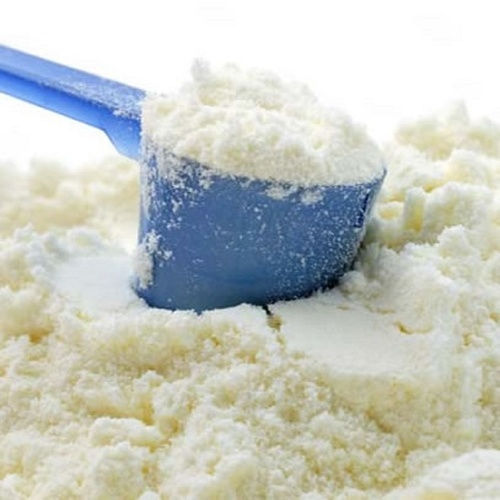
This guide helps buyers choose and specify the right drying system for skim milk powder (SMP), whole milk powder (WMP), and related dairy ingredients.
Quick answer: Concentrate milk or dairy liquids to high solids, then spray dry. Use a fluid bed after-dry/cool (and agglomeration where instant powder is required) so final moisture is reached without overheating the main chamber. Specify capacity on solids and moisture basis, and define solubility and scorched-particle limits up front.
1. Dairy Products That Drive Dryer Selection
| Product | Drying implications |
|---|---|
| Skim milk powder (SMP) | Lower fat; high volume commodity specs on moisture & solubility |
| Whole milk powder (WMP) | Higher fat; oxidation and free-fat handling matter |
| Dairy ingredients (permeate, MPC/MPI, lactose-rich streams, custom blends) | Different stickiness, glass transition and cleaning needs |
| Infant / specialised formulae | Stricter hygiene, heat history and documentation (plant design class) |
| Recombined / fat-filled powders | Formulation and dryer profile must align |
One chamber can sometimes run multiple powders with recipe changes; allergen and fat campaigns need a deliberate cleaning and scheduling plan.
2. The Standard Dairy Drying Route
Text
Raw / standardised milk → Heat treatment → Evaporation (concentrate)
        ↓
Spray drying (particle formation + bulk moisture removal)
        ↓
Fluid bed after-dry / cool / agglomerate (as required)
        ↓
Sifting → Packing (often with N₂ / barrier liners for WMP)
Evaporation before drying is not optional economics — every extra kilogram of water entering the spray dryer is fuel and capacity lost.
3. Why Spray Drying Is the Default for Milk Powder
| Requirement | Spray dryer fit |
|---|---|
| Continuous industrial capacity | Proven at dairy scale |
| Powder from concentrate | Atomisation + hot air contact |
| Controlled particle formation | Nozzle or rotary atomiser options |
| Integration with instantising | Multi-stage and fluid bed systems |
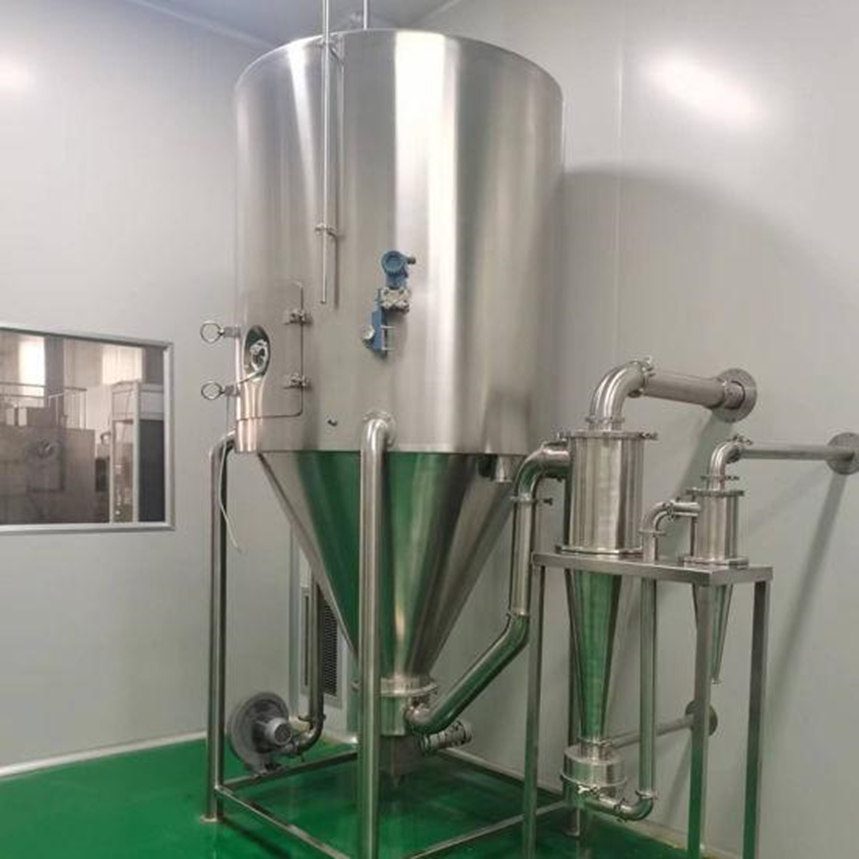
Alternative dryers (belt, rotary, freeze dry) are not standard replacements for mainstream SMP/WMP production. Freeze drying is limited to specialty niches; belt drying does not replace spray for classic milk powder morphology.
4. Multi-Stage Spray + Fluid Bed — Quality Logic
Primary spray chamber
- Forms powder particles
- Removes the majority of moisture
- Sets much of the thermal history
Fluid bed stage
| Function | Benefit for dairy powder |
|---|---|
| After-drying | Final moisture without excessive chamber outlet temperature |
| Cooling | Packing temperature; reduced caking |
| Agglomeration | Instant powders with better dispersibility |
| Fines return | Yield and particle structure control |
Buyers specifying only a “single-stage spray dryer” for instant or tight moisture specs should revisit whether a fluid bed stage is required.
5. Quality Defects Linked to Drying Decisions
| Defect | Typical drying-related cause | Direction |
|---|---|---|
| High residual moisture / caking | Insufficient after-dry; hot packing | Fluid bed finish + cool; packaging |
| Poor solubility / insolubles | Protein heat damage; scorched particles | Lower product thermal load; multi-stage |
| Scorched particles | Deposits, local overheating | Chamber design, cleaning, air distribution |
| Cooked flavour | Excessive temperature/time | Profile optimisation |
| Fat leakage / free fat issues (WMP) | Homogenisation + drying interaction | Process upstream + dryer setpoints |
| Poor instant properties | No agglomeration strategy | Fluid bed agglomerating stage |
| High energy use | Low concentrate solids | Evaporator performance first |
6. Skim vs Whole Milk Powder — Buyer Differences
| Topic | SMP emphasis | WMP emphasis |
|---|---|---|
| Fat oxidation | Lower concern | Packaging atmosphere, storage coolness |
| Stickiness | Lactose/protein dependent | Fat + lactose behaviour |
| Cleaning | Dairy hygiene | Dairy hygiene + fat residues |
| Bulk density targets | Brand/customer specific | Brand/customer specific |
| Instantising | Optional by market | Optional by market |
Always declare product mix in the RFQ — WMP campaigns change deposit and cleaning behaviour.
7. Dairy Ingredients Beyond SMP/WMP
| Ingredient type | Drying note |
|---|---|
| Milk protein concentrates/isolates | Higher protein — closer to whey protein thermal care |
| Permeate / lactose-rich powders | Stickiness and crystallisation behaviour important |
| Custom nutritional bases | May need flexible recipes and strict segregation |
If the plant is multi-ingredient, design for cleaning time as a capacity factor, not only nameplate kg/h.
8. Decision Guide
| Your need | System direction |
|---|---|
| Commodity SMP/WMP, high capacity | Multi-stage spray dryer + fluid bed |
| Instant milk powder | Agglomerating fluid bed integration |
| Specialty high-protein dairy ingredient | Spray ± FB with stricter temperature discipline |
| Infant-grade ambition | Hygienic design class and validation scope far beyond a basic dryer |
| Small specialty lots | Pilot/small spray units — not oversized industrial chambers run empty |
9. Hygienic Design and Food Safety
Dairy dryers require:
- Stainless food contact surfaces suited to dairy duty
- Cleanable chambers, ducts, cyclones and fluid beds
- CIP/WIP strategies appropriate to the plant standard
- Powder containment and fire/explosion risk assessment for milk dust
- Traceability and environmental monitoring as required by market
Milk powder dust is combustible under certain conditions — safety design is part of responsible dairy engineering.
10. RFQ Checklist for Milk Powder & Dairy Ingredient Dryers
- Products — SMP, WMP, ingredients list
- Concentrate solids % range
- Target residual moisture by product
- Solubility / scorched particle / bulk density targets
- Instantising required?
- Capacity kg powder/h (peak) per product
- Heat source (steam, gas, thermic)
- Hygiene class and CIP expectations
- Packaging atmosphere (e.g. N₂ for WMP)
- Scope: evaporator interface, spray chamber, fluid bed, sieves, powder handling
11. How to Evaluate Dairy Dryer Suppliers
| Check | Positive signal |
|---|---|
| Starts from concentrate solids and powder specs | Dairy process literacy |
| Proposes multi-stage logic when moisture/instant need it | Quality-aware design |
| Discusses deposits, scorched particles, cleaning | Operational realism |
| States capacity basis clearly | Comparable bids |
| Addresses powder safety | Responsible engineering |
| References dairy or similar food powder duties | Relevant experience |
Red flags: Generic chemical spray dryer quoted without dairy hygiene; capacity without solids basis; no fluid bed discussion when final moisture is tight.
12. How GTI Dryers Supports Dairy Powder Projects
GTI Dryers designs continuous drying systems including spray-related and fluid bed configurations for food powders.
For milk powder and dairy ingredient projects we:
- Align dryer concept with concentrate solids and powder specifications
- Evaluate single-stage vs spray + fluid bed finish/cool/agglomeration
- Address hygienic access, powder recovery and practical operating profiles
- Recommend pilot validation when solubility and scorched limits are critical
- Document assumptions for transparent project comparison
Geographic Note
Milk powder plants operate across India, New Zealand, Europe, US and other dairy regions. Ambient humidity affects packing and caking risk; concentrate solids discipline affects energy more than dryer brand claims. Local engineering support is valuable for continuous dairy campaigns and seasonal milk peaks.
Frequently Asked Questions
What is the best dryer for milk powder?
Industrial spray drying, normally with a fluid bed after-dry/cool stage — and agglomeration when instant powder is required.
Can we dry milk powder on a belt dryer?
Not as a replacement for standard SMP/WMP spray powder production. Belt systems serve other food forms; classic milk powder morphology comes from spray drying.
Why is outlet temperature so important?
It strongly influences residual moisture, solubility and scorched particle risk. Multi-stage systems allow lower chamber outlet severity for the same final moisture.
How do we reduce energy use in milk powder drying?
Raise concentrate solids within process limits, avoid over-drying, maintain insulation/seals, and keep evaporators performing — dryer efficiency cannot fix dilute feed.
What should I send GTI?
Product list (SMP/WMP/ingredients), concentrate solids, target moisture, capacity, instantising need and hygiene requirements.
Next Step
If you are selecting a dryer for milk powder or dairy ingredients, share your concentrate and powder specifications. GTI will help define a spray and fluid bed configuration matched to solubility, moisture and capacity goals.
Request a milk powder / dairy ingredient drying assessment with your process data.
Contact the GTI Technical Team:
Website: gtidryers.com
Email: mktg@gtidryers.com
Phone / WhatsApp: +91 9330077417