
Wood waste — sawdust, chips, shavings, bark and offcut residues — only becomes a reliable fuel, pellet feedstock or board furnish when moisture is controlled. Drying raises calorific value, stabilises storage and protects downstream mills, but it also concentrates combustible dust and fire risk.
This page helps buyers evaluate a wood waste dryer manufacturer: how to define the duty, which technologies fit which residues, and what to demand for safe, continuous operation.

Quick answer: Match the dryer to particle form and tonnage. Mixed chips and coarse residues often use rotary dryers; finer sawdust may use rotary or flash; oversized or gentle-duty fractions may use belt/conveyor dryers. Size on peak wet-basis evaporation load and design dust/fire controls into the system scope.
1. Why Dry Wood Waste?
| Driver | Business effect |
|---|---|
| Higher effective fuel value | Less water to evaporate in boilers/furnaces |
| Pellet and briquette quality | Durability, fines, storage stability |
| Board / panel furnish control | Press behaviour and product consistency |
| Lower transport mass | Less water shipped |
| Reduced mould and self-heating in storage | Safer yards and silos |
Drying is a process step with a specification — not “make it as dry as possible.”
2. Wood Waste Is Not One Material
| Stream | Typical challenges |
|---|---|
| Sawdust | High fines, dust hazard, fast to overheat |
| Wood chips | Larger particles, longer internal moisture path |
| Shavings / planer waste | Light, bulky, easy elutriation |
| Bark | Dirt, variable moisture, abrasive |
| Mixed yard waste | Stones, metal, plastic contamination risk |
| Green wet residues | Very high inlet moisture → large evaporation load |
Manufacturer rule: Technology and safety design follow the worst credible feed you will actually run, including monsoon or peak production moisture.
3. Set Moisture Targets by End Use
| End use | Spec logic |
|---|---|
| Pellets | Meet pellet plant residual moisture band |
| Biomass boiler fuel | Balance grindability, combustion and dryer energy cost |
| Particle board / MDF furnish | Follow press and resin process window |
| Briquettes | Binding and storage requirements |
| Long storage | Low enough to limit mould/self-heating, not necessarily bone-dry |
Put numeric outlet moisture + test method in the RFQ. Avoid copying another plant’s number without validating your process.
4. Technology Options from a Wood Waste Dryer Manufacturer
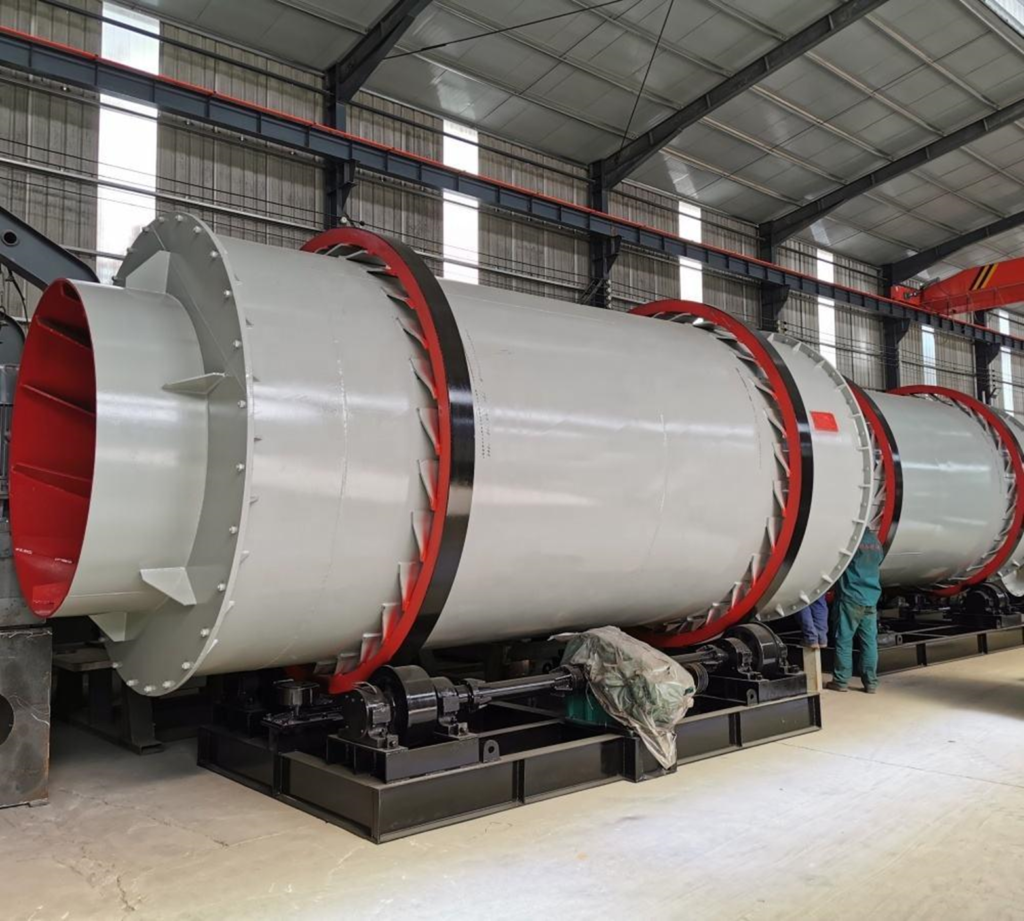
Rotary dryers
- Best for: Medium–high tonnage chips, mixed sawdust, many industrial biomass lines
- Strengths: Robust continuous operation, flexible particle range
- Design focus: Flights, residence time, co-current temperature control, seals, spark/fire management, cyclone/bag separation
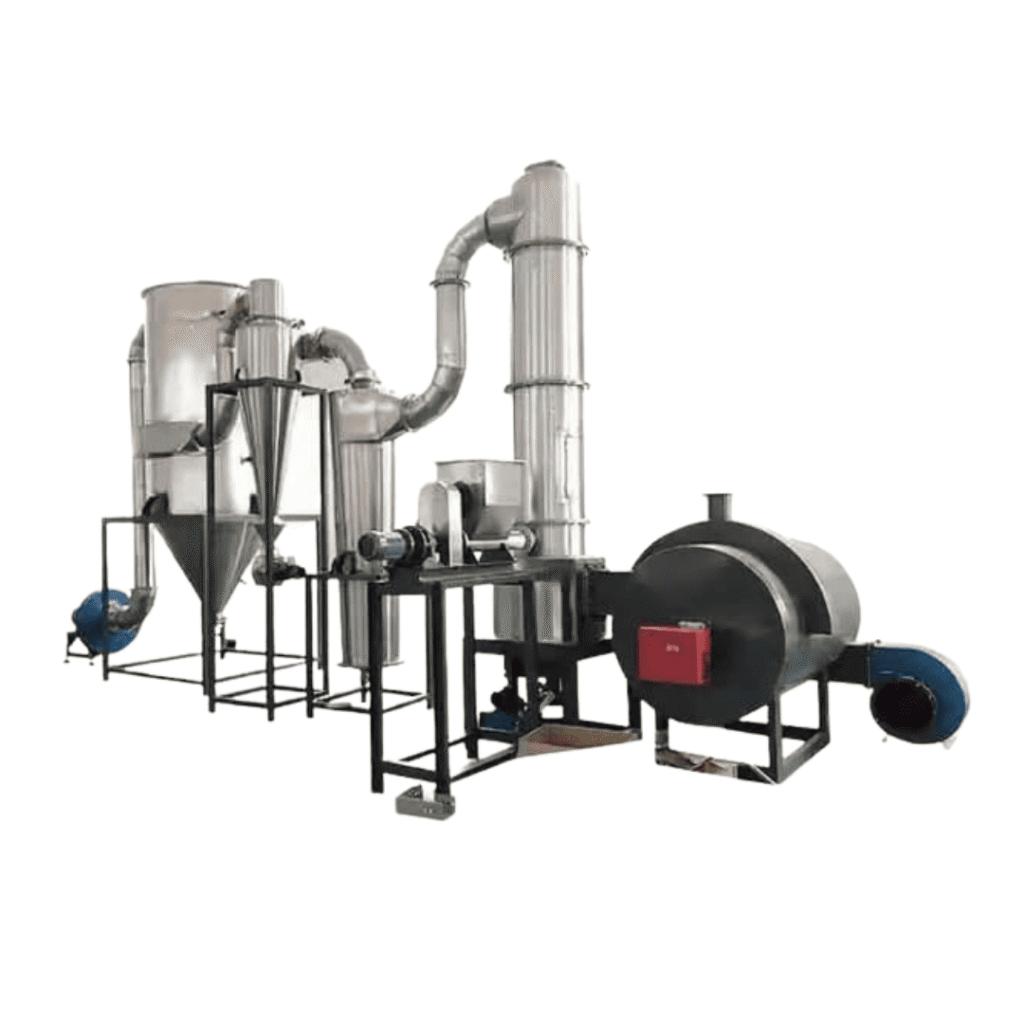
Flash / pneumatic dryers
- Best for: Finer, dispersible sawdust with suitable size consistency
- Strengths: Short residence, compact footprint for the right feed
- Watch: Abrasion, fan power, temperature spikes on fines
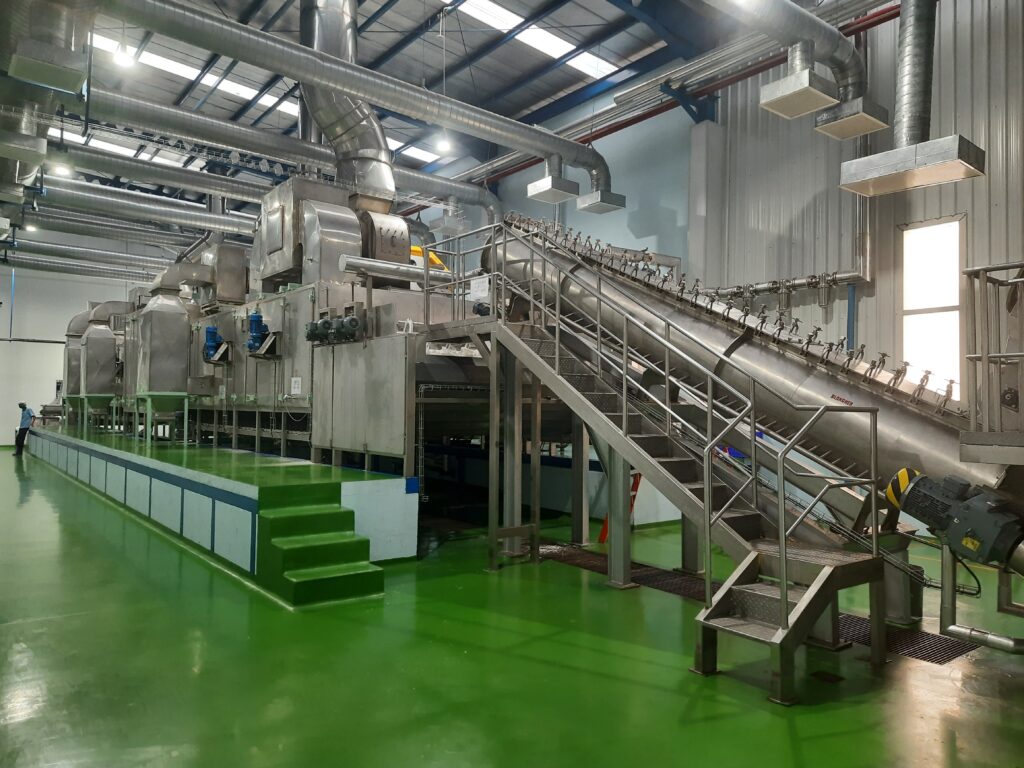
Belt / continuous conveyor dryers
- Best for: Coarser chips, lower-temperature or gentle drying, some formed residues
- Strengths: Zoned control, lower particle breakage
- Watch: Fines falling through mesh; area vs capacity; belt fire housekeeping
Hybrid lines
- Screen coarse/fine fractions to different dryers when economics justify
- Dryer + cooler before storage or pelletising when product temperature is critical
5. Selection Matrix
| Your situation | First shortlist |
|---|---|
| Mixed chips, high t/h | Rotary |
| Fine sawdust, uniform | Rotary or flash |
| Coarse chips, quality-sensitive, moderate rate | Belt / conveyor |
| Very wet green waste | Any technology — first confirm dewatering/storage practice; size evaporation honestly |
| Strict emission limits | Dryer + properly designed exhaust cleaning package |
6. Fire, Dust and Emission Checkpoints
Wood waste drying is a combustible dust application. Serious manufacturers discuss:
| Topic | Buyer expectation |
|---|---|
| Maximum inlet gas / product temperature philosophy | Material-aware limits |
| Spark detection / suppression interfaces | Where risk assessment requires |
| Interlocks (fan, feed, temperature) | Fail-safe logic |
| Duct and cyclone clean-out access | Prevent accumulations |
| Emissions (dust, opacity, local rules) | Scope of cyclones/filters |
| Metal / stone pre-cleaning | Protect dryer and reduce ignition sources |
A quote that ignores fire and dust is not ready for wood waste service.
7. Problem–Solution Map
| Problem | Likely cause | Direction |
|---|---|---|
| Wet product to pellet mill | Peak moisture not in design basis | Recalculate evaporation load |
| Frequent dryer fires/trips | Dust buildup, hot embers, weak interlocks | Safety package + housekeeping design |
| High fuel bill | Over-drying, wet yard practice, leakage | Moisture targets; covered storage; seals |
| Inconsistent moisture | Variable feed size/moisture, poor control | Blending; better instrumentation |
| Excess fines / losses | Over-speed gas flow, weak separation | Velocity and cyclone/filter review |
| Wear and downtime | Grit/bark, poor materials | Pre-cleaning; wear protection |
8. How to Size the Dryer
Evaporation load (wet basis):W=F×100−MfMi−Mf
- W = kg water/h removed
- F = wet feed kg/h
- Mi = inlet moisture %
- Mf = outlet moisture %
Use peak F and peak Mi. State capacity as wet waste or dry product — and keep that basis identical across vendor bids.
9. RFQ Checklist for Wood Waste Dryer Manufacturers
- Waste types (chips / sawdust / bark / mixed)
- Particle size range
- Inlet moisture min–normal–peak
- Target outlet moisture
- Capacity continuous and peak
- End use (pellets, fuel, board, other)
- Heat source (biomass furnace, gas, coal, hot air generator)
- Emission and dust limits
- Fire-safety requirements
- Site layout and integration (mill, silo, pellet line)
- Installation and commissioning scope
10. Evaluating Manufacturers
| Check | Positive signal |
|---|---|
| Separates chips vs sawdust behaviour | Real biomass experience |
| Designs on wet-basis peak load | Fewer capacity disputes |
| Includes exhaust and safety in system talk | Complete solution mindset |
| Clear scope matrix | Turnkey vs equipment-only clarity |
| References wood/biomass duties | Relevant practice |
| Documents assumptions | Comparable offers |
Red flags: One agricultural dryer model for all wastes; “t/h” with no moisture; silence on fire risk.
11. Energy and Operating Cost Levers
- Dry only to the process target
- Cover and drain storage to cut inlet moisture spikes
- Maintain flights, seals and insulation
- Keep cyclones and ducts clean (also a safety measure)
- Integrate waste-wood heat only with proper combustion and spark control
12. How GTI Dryers Supports Wood Waste Projects
GTI Dryers designs continuous industrial dryers for biomass and bulk solids, including rotary, flash and belt/conveyor configurations as duty requires.
For wood waste applications we:
- Characterise chips vs sawdust vs mixed streams
- Size from real evaporation load
- Align outlet moisture with pellet, fuel or board use
- Address exhaust separation and practical safety interlocks in system discussions
- Provide process-data-based proposals with stated assumptions
Geographic Note
Wood waste drying supports furniture clusters, sawmills, plantation timber regions and biomass power projects across India and export markets in Asia and beyond. Local manufacturing helps with spares and service. Monsoon humidity and wet-log seasons must be reflected in capacity design.
Frequently Asked Questions
What is the best dryer for wood waste?
Rotary dryers for many mixed chip/sawdust duties at industrial scale; flash for fine uniform sawdust; belt dryers for coarser or gentler applications. Feed form decides.
Can one dryer handle chips and fine sawdust together?
Sometimes, with compromises. Wide size distributions often cause uneven moisture and extra fines handling — screening may be worth evaluating.
What moisture should dried wood waste have?
Follow the pellet, board or boiler specification you supply. Put the target in the RFQ.
Why is fire safety so important?
Dry wood dust is combustible. Hot air dryers need deliberate temperature control, cleaning access and interlocks.
What should I send GTI?
Waste type, particle size, moisture range, target moisture, capacity, end use and heat source.
Next Step
If you need a wood waste dryer manufacturer for chips, sawdust or mixed biomass residues, share your feed and end-use data. GTI will recommend a rotary, flash or belt-based drying approach on a clear evaporation and safety-aware scope.
Request a wood waste drying assessment with your process data.
Contact the GTI Technical Team:
Website: gtidryers.com
Email: mktg@gtidryers.com
Phone / WhatsApp: +91 9330077417