
ETP (Effluent Treatment Plant) sludge is one of the costliest residual streams in a factory. After dewatering, cake is still mostly water by weight. Drying cuts volume and transport cost, improves handling, and can support co-processing or further disposal routes — but only if the dryer matches sticky, variable sludge.
This page is a buyer guide for selecting an ETP sludge dryer manufacturer: process goals, technology choices, risks and what to specify before you order.
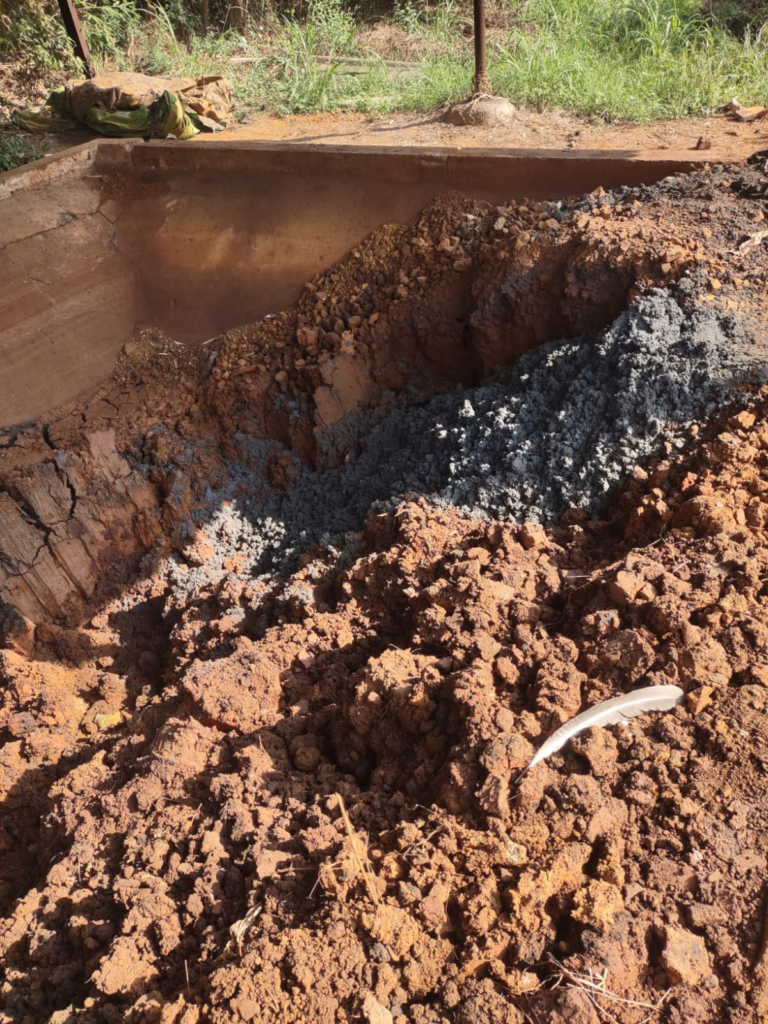
Quick answer: An ETP sludge dryer removes moisture from dewatered cake to a target residual moisture for disposal, storage or co-processing. Success depends on real cake moisture, stickiness, temperature limits and continuous feeding — not on a catalogue “kg/h” alone. Contact dryers, belt systems and other continuous dryers are selected after sludge characterisation.
1. Why Plants Install ETP Sludge Dryers
| Driver | Outcome |
|---|---|
| Lower disposal cost | Less mass and volume to transport and dispose |
| Landfill / regulatory pressure | Drier cake may meet handling or acceptance rules (site-specific) |
| Storage and housekeeping | Less leachate and easier mechanical handling |
| Co-processing / fuel routes | Some industries dry sludge toward calorific use where permitted |
| CETP charge structures | Member industries may reduce wet sludge tonnage sent out |
Drying is not a substitute for proper sludge classification, authorisations and disposal compliance. It is a volume and handling tool inside the legal framework you already operate under.
2. Know Your Sludge Before You Buy a Dryer
ETP sludge is not one material.
| Variable | Why the dryer cares |
|---|---|
| Industry source (textile, pharma, food, chemical, engineering, etc.) | Organics, oils, fibres, metals change stickiness and odour |
| Primary / biological / mixed sludge | Different solids and binding behaviour |
| Polymer / lime conditioning | Changes cake structure and fouling |
| Dewatered cake moisture | Sets evaporation load |
| Hazardous vs non-hazardous status | Materials, emissions, permitting |
| Seasonal variation | Peak moisture and rate size the machine |
Minimum data pack: cake moisture range, solids chemistry summary, target residual moisture, kg/h cake, heating utility, and disposal destination requirements.
3. What “Drying Success” Means for ETP Sludge
- Continuous operation without chronic clogging
- Residual moisture on target (average and variation)
- Manageable odour and exhaust
- Safe materials for corrosive/abrasive duty
- Clear interface to feeding, vapour treatment and dry sludge handling
A dryer that runs only on “good cake days” is not a solution.
4. Technology Options for ETP Sludge
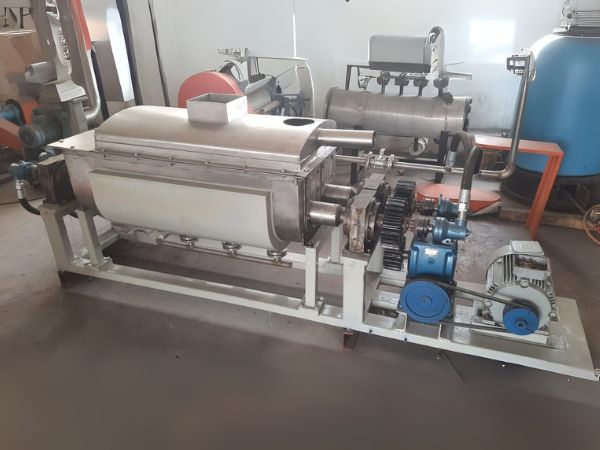
Contact / paddle (hollow-flight) dryers
- Fit: Sticky cakes needing agitation and indirect heat
- Strengths: Low carrier-gas volume, good for cohesive sludge, temperature control via jacket medium
- Watch: Torque design, wear, discharge consistency
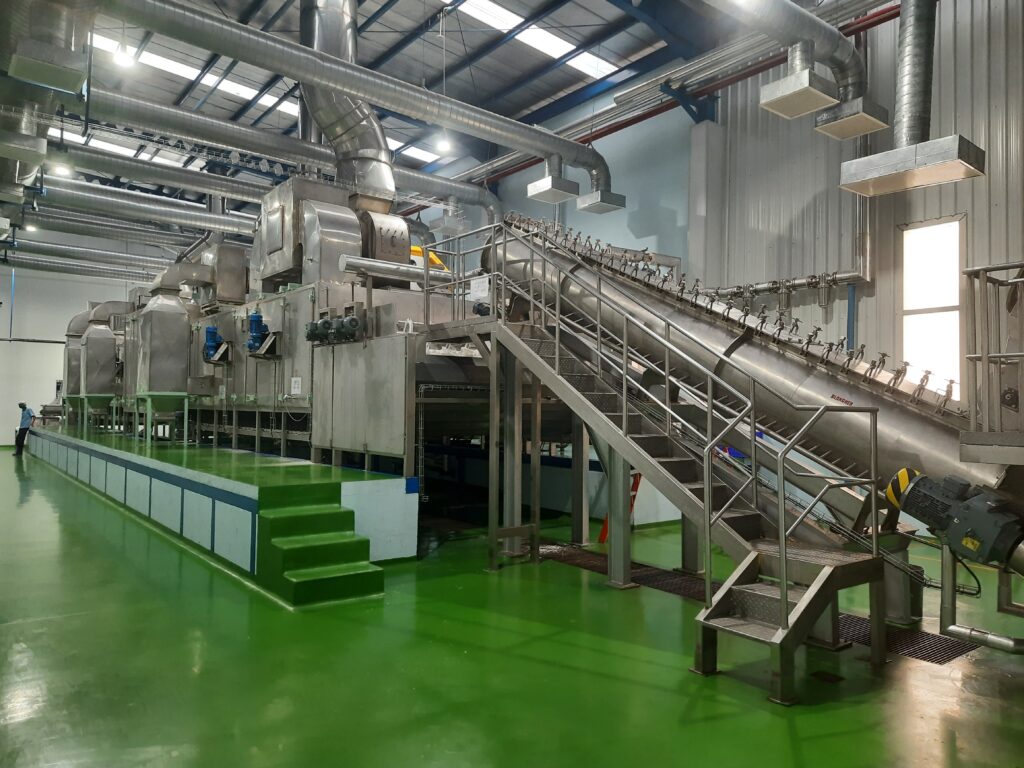
Belt / band dryers (often after forming)
- Fit: Sludge formed into permeable strands or granules
- Strengths: Continuous, multi-zone control, relatively gentle
- Watch: Feed must be pre-formed; impermeable sticky sheets fail
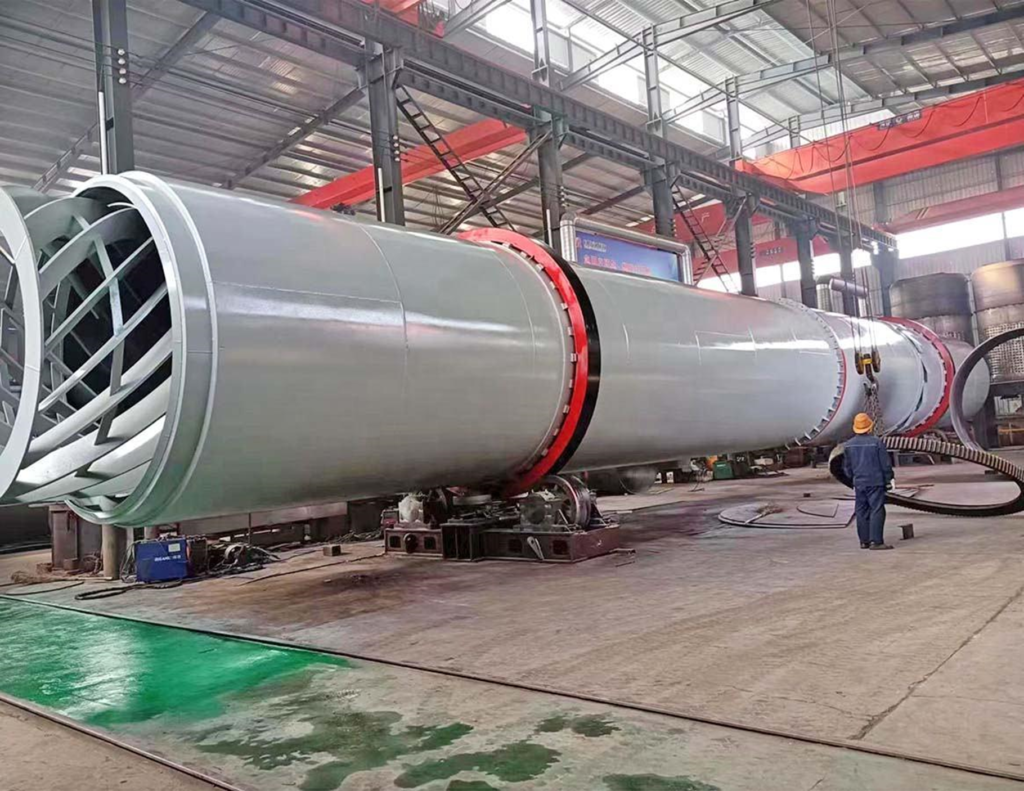
Rotary dryers
- Fit: More robust, higher-tonnage mineral-like or conditioned sludge
- Watch: Stickiness, odour, dust, emissions; not automatic first choice for gluey organic cakes
Thin-film / disc / specialised contact systems
- Fit: Specific high-moisture or continuous contact duties (design-dependent)
- Watch: Vendor process experience on similar sludge
Solar / greenhouse drying
- Fit: Climate- and land-rich sites, lower urgency
- Limits: Area, weather dependence, slow throughput, housekeeping
There is no universal ETP sludge dryer. Stickiness and moisture path decide.
5. Problem–Solution Map
| Problem | Typical cause | Direction |
|---|---|---|
| Dryer clogs / trips | Sticky phase, wrong technology, unstable feed | Contact agitation or pre-forming; stabilise dewatering |
| Wet discharge | Undersized evaporation, short residence, wetter cake than design | Recalculate load on peak moisture |
| Severe odour complaints | High organics, poor exhaust treatment | Temperature control + scrubber/biofilter as required |
| Rapid wear / corrosion | Abrasive grit, chlorides, low pH | MOC and wear protection from real sludge data |
| Inconsistent moisture | Variable polymer dose / centrifuge performance | Fix dewatering first; then dryer control |
| High operating cost | Over-drying, poor dewatering, excess air (convective systems) | Moisture target discipline; upstream dry solids optimisation |
6. How to Size Capacity (Buyer Logic)
Evaporation load (wet basis):W=F×100−MfMi−Mf
- W = kg water/h to remove
- F = kg/h wet cake
- Mi = inlet moisture %
- Mf = target moisture %
Example structure: drying from ~80% to ~20% moisture removes a large fraction of cake mass as water — the dryer and heat source must be sized for that peak load, not the best lab sample.
7. Integration: Dryer Is Only One Block
A workable sludge drying line includes:
- Buffer / live-bottom feed of dewatered cake
- Dryer (contact, belt after forming, or other selected type)
- Vapour condensation / odour treatment
- Dry sludge conveying and storage
- Controls interlocked with feed and temperature safety
Ask manufacturers for system scope, not only the dryer body price.
8. RFQ Checklist for ETP Spudge Dryer Manufacturers
- Industry and sludge type (ETP / CETP / process)
- Hazardous classification if applicable
- Cake moisture range (min / normal / peak)
- Target residual moisture
- Capacity kg/h wet cake (peak)
- Preferred heat source (steam, thermic fluid, gas, waste heat)
- Odour and emission constraints
- Available footprint and utilities
- Disposal or co-processing outlet requirements
- Sample availability for trial
9. How to Evaluate an ETP Sludge Dryer Manufacturer
| Check | Positive signal |
|---|---|
| Asks for sludge origin and moisture range | Process-led design |
| Addresses stickiness and feeding | Understands real cake |
| Explains vapour / odour handling | Complete system thinking |
| Documents capacity assumptions | Comparable bids |
| References similar industrial sludge | Relevant experience |
| Trial or pilot pathway | Risk reduction |
Red flags: “Any sludge, same dryer”; capacity without moisture basis; no discussion of clogging or odour; scope limited to a box with no feed or vapour design.
10. Compliance and Safety Notes
- Drying does not by itself change legal waste classification
- Dust, VOC and odour controls must match sludge chemistry
- Hot sludge and dust require standard industrial safety design
- Keep authorisations, manifests and disposal contracts aligned with the dried product form
11. How GTI Dryers Supports ETP Sludge Projects
GTI Dryers designs continuous industrial drying systems, including configurations used for high-moisture and difficult cakes (contact/paddle-type principles, belt systems after forming, and other continuous options as duty requires).
For ETP / CETP sludge we:
- Start from cake moisture, stickiness and target residual moisture
- Select technology to keep the line running, not only to hit a brochure capacity
- Discuss feed, vapour and dry-solids handling as part of the concept
- Provide assumption-based proposals from your sludge data
Geographic Note
ETP and CETP sludge drying demand is strong across Indian manufacturing clusters (textiles, chemicals, pharma, food, engineering) and in other regions with rising disposal costs. Local manufacturers can support installation and service; emission and waste rules remain site- and state-specific — design must follow your consents.
Frequently Asked Questions
What is an ETP sludge dryer?
A dryer that reduces moisture in dewatered effluent-treatment sludge to lower mass/volume and improve handling for disposal or further use.
Which dryer is best for ETP sludge?
Usually a system designed for sticky high-moisture cake — often indirect contact/paddle-type or belt drying after sludge forming. Final choice needs your sludge data.
Can we dry sludge without dewatering first?
Thermally drying very dilute sludge is normally uneconomic. Improve dewatering first.
What residual moisture should we target?
Whatever your disposal, storage or co-processing route requires. Put the number in the RFQ; do not over-dry without a reason.
What should I send GTI?
Sludge source, cake moisture range, target moisture, capacity, heat source and odour/emission constraints.
Next Step
If you need an ETP sludge dryer manufacturer for factory or CETP sludge, share your cake moisture and disposal targets. GTI will assess suitable continuous drying options and outline a practical system scope.
Request an ETP sludge drying assessment with your process data.
Contact the GTI Technical Team:
Website: gtidryers.com
Email: mktg@gtidryers.com
Phone / WhatsApp: +91 9330077417