
Orthodox Tea Dryer: How to Protect Leaf Quality, Control Moisture and Improve Drying Consistency
An orthodox tea dryer removes moisture from rolled and oxidised tea leaf while helping preserve the leaf’s appearance, aroma, liquor characteristics and storage stability. The drying stage is important because it slows and effectively arrests the enzymatic oxidation process, reduces moisture to the factory’s specified endpoint, and prepares made tea for cooling, grading and packing.
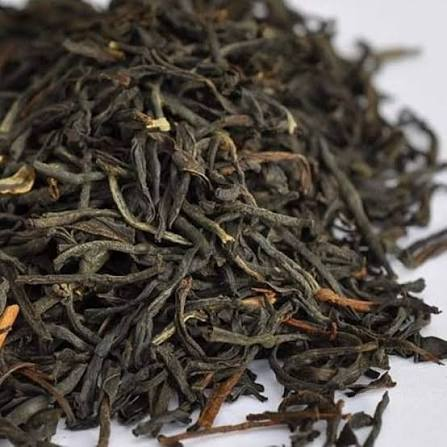
For orthodox tea, dryer selection is not only about evaporation capacity. Whole and twisted leaves can be mechanically fragile, and inconsistent bed depth, airflow, residence time or feed moisture can create uneven drying, excessive breakage, scorching or unnecessary energy consumption. The appropriate system depends on the tea grade, throughput, feed condition, target moisture, available utilities and the factory’s quality requirements.
Genex Tech Industries LLP (GTI) offers Combination Fluid Bed Dryer systems designed for controlled, multi-stage tea drying. A combination system may be worth evaluating where a tea factory needs adjustable process zones and flexibility. Final suitability and performance should be confirmed using the actual tea, process data and agreed acceptance criteria.
Quick Answer: What Is the Best Dryer for Orthodox Tea?
The best orthodox tea dryer is the one that reaches the required final moisture consistently while protecting leaf structure and meeting the factory’s throughput, quality, energy and maintenance requirements. A multi-stage combination dryer is one option to evaluate when staged airflow and temperature control are important. Traditional Endless Chain Pressure (ECP) dryers are also used in tea manufacture, while other dryer types may suit different feed characteristics and production needs.
Do not choose equipment from a generic temperature or capacity figure alone. Compare representative tea trials, final-moisture uniformity, breakage, liquor and appearance checks, utility consumption, cleaning requirements and total installed cost.
1. Why Orthodox Tea Needs Careful Drying
Orthodox tea is manufactured by rolling or twisting the leaf rather than extensively cutting, tearing and curling it as in CTC processing. The resulting made-tea grades can contain whole leaves, broken leaves and tips, with a range of shapes and sizes. Leaf appearance and the proportion of intact material can be commercially important, particularly for premium and specialty markets.
The drying system must remove water from the fermented leaf without creating avoidable quality loss. If drying is too slow or incomplete, the product may leave the dryer with excessive or uneven residual moisture. If heat exposure or mechanical handling is too aggressive for the particular grade, the tea may show unwanted breakage, scorching or changes in sensory characteristics.
Leaf integrity: excessive mechanical action can increase fines and reduce the proportion of intact leaf.
Moisture uniformity: uneven loading or airflow can leave wet pockets even when the average outlet moisture looks acceptable.
Thermal control: hot-air temperature and actual leaf temperature are not the same; both process conditions and product quality should be considered.
Cooling and handling: warm tea should be cooled under suitable conditions before packing to reduce condensation and moisture pickup risks.
Repeatability: stable feeding and controllable residence time help reduce batch-to-batch variation.
2. Orthodox Tea Drying Process: From Fermented Dhool to Made Tea
After rolling and oxidation/fermentation, the wet leaf—often called dhool—is fed to the dryer. The inlet moisture can vary substantially by factory, process and measurement method. The original GTI draft gives a typical range of approximately 50–65% wet-basis moisture; treat this as a preliminary reference, not a guaranteed value for every line. Measure the actual feed before sizing the dryer.
Feed distribution: supply a steady flow and spread the leaf evenly across the working width. Uneven feed depth is a common reason for inconsistent outlet moisture.
Initial moisture removal: remove readily available moisture at a controlled rate while managing the product’s thermal exposure.
Main drying: maintain airflow and residence time suited to the leaf’s size, moisture and drying behaviour.
Final moisture adjustment: bring the tea to the agreed product specification without relying on average moisture alone to hide wet pockets.
Cooling: cool the dried tea appropriately before conveying or packing.
Grading and packing: protect the tea from humid air and reabsorption during downstream handling and storage.
Final moisture targets must be agreed with the buyer and checked using a defined test method. The source draft cites 2.5–3.5% wet basis as a typical target range for made tea. This is useful as a preliminary operating reference, but it is not a universal specification: confirm the target against applicable standards, the buyer’s requirements, product type, packaging and storage conditions.
3. What Is a Combination Fluid Bed Dryer?
A Combination Fluid Bed Dryer is a staged drying system that uses controlled hot-air movement and product handling to remove moisture. In GTI’s stated design approach, the system can be configured with multiple zones to adjust conditions through the drying process. The final arrangement should be matched to the actual orthodox tea grade and verified through trials.
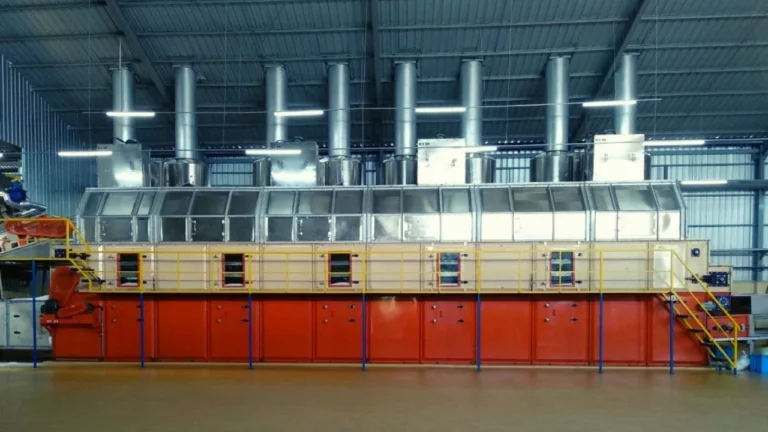
Typical functional stages
Stage 1: Initial moisture removal
The first stage handles the wetter feed. The aim is to begin moisture removal at a controlled rate and arrest further oxidation without exposing the leaf to avoidable thermal damage. The right operating point depends on feed moisture, airflow, loading and tea characteristics.
Stage 2: Controlled drying
As moisture falls, the dryer continues removing internal moisture. Uniform distribution and stable residence time are important so that leaf from different parts of the dryer receives comparable treatment.
Stage 3: Final moisture control
The final stage is intended to bring the product to its agreed moisture target. Moisture sampling should represent the product across the width and over time; a single grab sample may not identify intermittent wet material.
Cooling and discharge
Where included in the design, a cooling stage lowers product temperature before downstream handling. Cooling airflow, ambient humidity, conveying and packing practices should be considered as one system to minimise moisture pickup.
The precise number of stages, air velocities, temperatures, bed depth, residence time and control instruments are project-specific. The source draft mentions typical inlet-air temperatures of 100–130°C and residence times of 15–30+ minutes for multi-zone drying. These figures should be treated only as preliminary examples, not as a universal recipe or GTI performance guarantee. Confirm the operating window through product trials and process-engineering review.
4. Orthodox Tea Dryer vs CTC Tea Dryer
Orthodox and CTC tea have different physical forms, so the best drying arrangement may differ. CTC tea is generally more granular and can be suited to fluidisation systems designed for smaller particles. Orthodox tea may contain longer, twisted or whole leaf pieces that need handling appropriate to their fragility and size distribution.
| Factor | Orthodox tea | CTC tea | What buyers should evaluate |
| Physical form | Whole, twisted and broken leaf; variable size and shape | Smaller, more uniform granular particles | Actual grade mix and particle-size distribution |
| Handling priority | Protect leaf appearance and limit unnecessary breakage | Uniform movement and moisture removal through the bed | Fines generation and product quality before/after drying |
| Drying approach | Staged control and suitable residence time may be valuable | Fluidisation may be suitable for free-flowing material | Trials with the factory’s actual feed |
| Control priorities | Moisture uniformity, leaf integrity, thermal exposure | Moisture uniformity, throughput, airflow and fluidisation | Defined acceptance tests and operating envelope |
5. Common Orthodox Tea Drying Problems and How to Troubleshoot Them
Before increasing temperature or residence time, identify the cause of the problem. Moisture variation can originate upstream or from feed distribution, airflow, control settings, sampling or downstream moisture pickup.
| Problem observed | Possible causes | Practical checks |
| Uneven outlet moisture | Variable inlet moisture, uneven feed depth, airflow imbalance, unstable feed rate or poor sampling. | Sample across width and time; check feed spread, zone airflow, residence time and sensor calibration. |
| Tea leaves breaking or excess fines | Excessive mechanical action, unsuitable feed transfer, over-dry/brittle product or inappropriate handling. | Inspect transfer points, vibration/handling intensity, product condition and fines percentage before/after drying. |
| Scorching or burnt notes | Excessive thermal exposure, local hot spots, poor airflow distribution or a mismatch between settings and feed load. | Review temperature profile, product temperature where measurable, loading pattern and sensory quality. |
| Dryer capacity below target | Feed rate or inlet moisture higher than design basis, restricted airflow, inadequate residence time or utility limitations. | Recalculate evaporation load; review actual feed moisture, air conditions, utilities and bottlenecks. |
| High fuel or energy use | Excessive exhaust losses, air leakage, poor insulation, unsuitable set-points or high inlet moisture. | Measure fuel and electricity per unit of made tea or water evaporated; check exhaust, leakage and heat recovery options. |
| Moisture rises after discharge | Warm tea exposed to humid air, insufficient cooling, moisture pickup during transfer or packaging. | Check product temperature, ambient humidity, cooling, conveyor exposure and packaging storage. |
| Unstable product quality between shifts | Changes in feed rate, fermentation/oxidation, moisture, grade mix or operator settings. | Log inlet conditions and recipes; standardise sampling and operating procedures. |
| Dust or fines escaping the system | Airflow too high for the material, worn seals, ineffective separation or inadequate collection. | Inspect containment, filters, seals, air velocity and housekeeping practices. |
6. How to Improve Drying Consistency and Protect Leaf Quality
Measure inlet conditions instead of relying on averages
Record feed rate, inlet moisture, leaf grade and relevant process conditions. If inlet moisture varies, the same dryer settings may not produce the same outlet moisture. Use representative sampling and a consistent moisture test method.
Keep feed distribution stable
Check whether tea is spread evenly across the active width and whether the feed system creates surges or dense patches. A deeper bed can increase throughput in some conditions but may also make moisture removal less uniform; the appropriate loading must be established for the equipment and tea grade.
Use a validated temperature and residence-time profile
Avoid copying another factory’s temperature recipe without validating it. Inlet-air temperature, air humidity, airflow, bed loading, residence time and leaf temperature interact. Establish a working window using controlled trials and check both moisture and sensory/physical quality.
Control cooling and downstream exposure
Drying performance should be assessed at the point where tea is ready for packing, not only at the dryer outlet. Cooling, conveyors, storage and packing conditions can change the final moisture. Protect the product from humid air and avoid packing tea while it is still too warm for the packaging and storage arrangement.
Maintain a repeatable operating record
Record recipe settings, feed conditions, outlet moisture, product-quality observations, fuel use and downtime. Trend data can help distinguish a dryer issue from upstream variation or downstream moisture pickup.
7. Energy Efficiency: What Tea Factory Buyers Should Compare
Energy use depends on the amount of water evaporated, inlet moisture, inlet-air conditions, exhaust losses, heat source, insulation, airflow, leakage, operating schedule and control strategy. A system should not be described as more energy-efficient without a defined comparison basis or supporting test data.
Ask for estimated thermal energy and electrical demand at a clearly defined production and inlet-moisture condition.
Request the assumptions behind evaporation capacity, exhaust conditions, recirculation and heat recovery.
Compare fuel use per kilogram of made tea or per kilogram of water evaporated, where the data is available and measured consistently.
Include fans, feeders, drives, cooling and dust collection in the electrical-load comparison.
Check cleaning access, maintenance intervals, spare parts and expected downtime as part of lifecycle cost.
Evaluate whether waste-heat recovery or air recirculation is appropriate for the site, product and safety requirements.
For a fair comparison, give each supplier the same feed rate, inlet moisture range, target final moisture, tea grade, operating hours, utility prices and acceptance criteria. Ask suppliers to separate estimated values from guaranteed values.
8. How to Select an Orthodox Tea Dryer for Your Factory
Define the capacity: state the required made-tea output in kg/h or tonnes/day, the operating hours and expected peak production.
Measure the feed: provide typical and worst-case inlet moisture, temperature, grade mix, bulk density where available and feed consistency.
Specify product quality: agree final moisture, leaf-integrity/fines checks, appearance and sensory checks that matter to the buyer.
Identify utilities: steam pressure and availability, thermic fluid, biomass or other fuel, electricity and any site constraints.
Review factory conditions: ambient humidity, altitude, available floor area, layout, existing upstream/downstream equipment and future expansion.
Compare total scope: dryer, feed system, heating equipment, fans, cooling, controls, dust collection, insulation, platforms, commissioning and training.
Request a trial or validation plan: agree how capacity, final moisture, quality and energy performance will be checked.
Check support: ask about installation, operator training, preventive maintenance, spare parts and service response.
9. What Information Should You Send to GTI for a Technical Proposal?
The more complete the process information, the more useful the initial dryer recommendation and quotation can be. Share the following where available:
Tea type and grade: orthodox whole leaf, broken leaf, tippy or a mixed grade; clarify whether the line also processes CTC or green tea.
Required output capacity in kg/h or tonnes/day and operating hours per day.
Inlet moisture range and how moisture is measured; include seasonal or shift-wise variation if known.
Required final moisture specification and test method.
Current dryer type and the main problem: capacity, moisture variation, leaf breakage, fuel cost, downtime or quality inconsistency.
Available heating source and utility details.
Factory location, altitude if known, ambient conditions and layout constraints.
Existing upstream and downstream equipment, including fermentation, grading, conveying, cooling and packing.
Any product-quality acceptance criteria or representative tea samples for trials.
Preferred level of automation, cleaning expectations, installation timeline and future capacity plans.
A useful supplier proposal should state its design basis, assumed feed conditions, expected capacity, estimated utilities, scope of supply, control approach, materials of construction, exclusions, maintenance access and performance-test conditions. Where data is not yet available, the supplier should list assumptions clearly.
10. Frequently Asked Questions About Orthodox Tea Dryers
What is an orthodox tea dryer?
An orthodox tea dryer removes moisture from rolled and oxidised tea leaf to produce made tea at the required moisture level for grading, storage and packing. The system should balance moisture removal, leaf integrity, product quality and throughput.
Which dryer is suitable for orthodox tea?
A multi-stage combination dryer is one option to evaluate when staged control of airflow and temperature is important. Traditional ECP dryers are also used in tea processing. Selection should be based on actual tea trials, capacity, final moisture, leaf integrity, utility use and maintenance requirements.
What is the ideal final moisture for orthodox tea?
The source draft gives 2.5–3.5% wet basis as a typical range, often with a target near 2.5–3.0%. The correct specification depends on product, buyer requirements, test method, packaging and storage. Confirm the target rather than treating one value as universal.
Why is moisture uneven after tea drying?
Common causes include variable inlet moisture, inconsistent feed rate, uneven bed depth, airflow imbalance, insufficient residence time, sensor issues and non-representative sampling. Check the full process before changing temperature.
How can a factory reduce tea dryer energy consumption?
Measure inlet moisture and energy use, stabilise feed distribution, check air leakage and insulation, review exhaust conditions, maintain fans and filters, and assess heat recovery where suitable. Compare energy on the same production basis.
Can one dryer process both orthodox and CTC tea?
Some configurable systems may be designed for multiple tea types, but suitability depends on particle size, feed behaviour, airflow, residence time, capacity and product-quality requirements. Do not assume a single recipe or configuration will work for all grades; validate each product through trials.
What heating options are available?
Depending on the equipment configuration and site utilities, options may include steam, thermic fluid, biomass-based heating, or direct/indirect hot-air systems. Confirm the available options, emissions requirements, heat-transfer arrangement and operating cost with the supplier.
What should be checked before buying a tea dryer?
Define capacity, inlet and outlet moisture, tea grade, quality requirements, utilities, factory layout, cleaning and maintenance needs. Ask for a documented design basis, estimated energy use, scope of supply and acceptance-test criteria.
Does a higher inlet-air temperature always improve drying?
No. Higher temperature may increase drying rate in some conditions but can also affect product quality and energy performance. Temperature must be assessed together with airflow, humidity, feed loading, residence time and the tea’s quality response.
How can tea quality be checked after drying?
Use a defined moisture test and relevant quality checks such as leaf appearance, fines percentage and sensory/liquor evaluation. Agree the test method and acceptance criteria with the factory’s quality team and buyer.
11. Why Evaluate GTI Dryers for Orthodox Tea Processing?
Genex Tech Industries LLP (GTI) designs industrial drying systems for process applications, including tea processing. GTI’s Combination Fluid Bed Dryer concept is intended to provide configurable, staged drying for process requirements that need control over airflow, temperature and residence time. Final configuration should be developed around the factory’s feed conditions, product specification and utility availability.
For an informed technical discussion, share your production capacity, tea grade, inlet moisture, final moisture target, current operating challenges and available heating source. These details help the engineering team assess the application and identify which drying concept should be evaluated.
Request a Tea Dryer Evaluation
Planning a new orthodox tea line, upgrading an existing dryer or troubleshooting inconsistent moisture and product quality? Contact GTI Dryers to discuss your process requirements and request a tailored technical review. Where appropriate, arrange representative sample testing and agree on measurable performance criteria before finalising the equipment.
Contact the GTI Technical Team:
Website: gtidryers.com
Email: mktg@gtidryers.com
Phone / WhatsApp: +91 9330077417