
Effluent Treatment Plants (ETPs) across Indian chemical, pharmaceutical, textile, food, paper, dye and CETP facilities generate large volumes of sludge. Even after mechanical dewatering, the sludge often retains high moisture, remains sticky, generates odour and incurs high transportation and disposal costs. Open drying beds consume land, depend on weather and increasingly fail to satisfy regulatory and neighbourhood expectations.
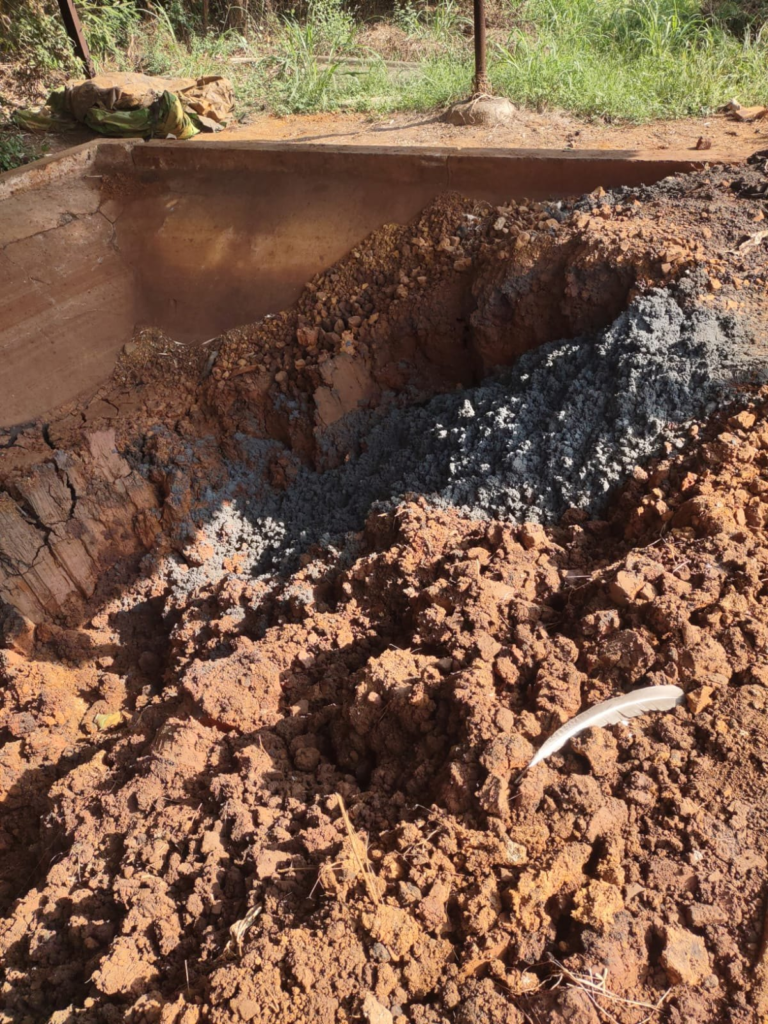
An industrial ETP sludge dryer provides controlled thermal drying after dewatering. The goal is not merely to remove water; it is to produce a stable, lower-volume solid that is easier and safer to handle, store, transport or send for further treatment or recovery — while managing vapour, odour and emissions responsibly.
This page is written for Indian plant managers, environmental engineers and technical buyers who need a clear decision framework rather than a catalogue of machines.
Why ETP Sludge Drying Matters in India
Typical ETP sludge after filter press, centrifuge or belt press still contains substantial residual moisture. High moisture means:
- High transport weight and cost
- Large storage volume
- Difficulty in handling and bagging
- Odour generation
- Higher landfill or incineration fees
- Risk of non-compliance with state pollution control board requirements
Thermal drying can reduce mass and volume significantly (often 70–85 % depending on starting and final moisture), improve physical handling and prepare the material for the intended disposal or recovery route. Benefits are realised only when the dryer is matched to the actual sludge characteristics and the complete system (feeding, vapour handling, odour control, discharge) is engineered together.
What Is an ETP Sludge Dryer?
An ETP sludge dryer is an industrial thermal drying system that removes residual moisture from sludge generated in an Effluent Treatment Plant or industrial wastewater treatment process.
A typical process sequence is:
Industrial Wastewater → ETP → Sludge Separation → Mechanical Dewatering → ETP Sludge Dryer → Vapour / Odour Treatment → Cooling / Handling → Disposal, Recovery or Further Processing
Mechanical dewatering removes free water. The thermal dryer then reduces the remaining moisture to the target level required by the disposal or recovery route.
Key Sludge Characteristics That Drive Dryer Selection
| Characteristic | Why it matters | Engineering implication |
|---|---|---|
| Initial moisture after dewatering | Determines evaporation load | Sizes heat transfer surface and residence time |
| Stickiness / cohesiveness | Causes wall buildup and poor flow | Favours indirect, agitated dryers (e.g., paddle) |
| Organic vs inorganic content | Affects drying rate, odour and calorific value | Influences temperature profile and exhaust treatment |
| Presence of fibres, salts or chemicals | Corrosion, abrasion, fouling risk | Material of construction and cleaning design |
| Daily quantity and operating hours | Capacity and continuous vs batch preference | System sizing and redundancy |
| Target final moisture | Disposal, co-processing or recovery requirement | Defines drying duty |
| Available heat source | Steam, thermic fluid, hot air, waste heat | Thermal configuration |
There is no universal final moisture or temperature. These values must be set according to the sludge and the intended destination (landfill, co-processing, incineration, composting where permitted, or other recovery).
Dryer Technologies Suitable for ETP Sludge
No single technology fits every sludge. Selection follows feed form and process constraints.
1. Paddle Dryer (Indirect) – Strong candidate for sticky ETP sludge
A paddle dryer uses heated hollow shafts and paddles to transfer heat by conduction while the paddles agitate and move the sludge. Indirect heating keeps the process gas volume low and the system enclosed — advantages when odour and vapour control are important.

Typical strengths for ETP sludge:
- Handles sticky, pasty or filter-cake materials
- Enclosed operation with lower process-air volume
- Controlled product temperature
- Continuous or semi-continuous operation
- Compact footprint relative to some direct systems
GTI evaluates paddle dryers specifically for industrial sludge and ETP applications.
2. Rotary Dryer
A rotary dryer can be considered for higher-throughput or more robust sludge streams where the material can be conveyed effectively in a rotating drum. Direct or indirect configurations are possible depending on the project.
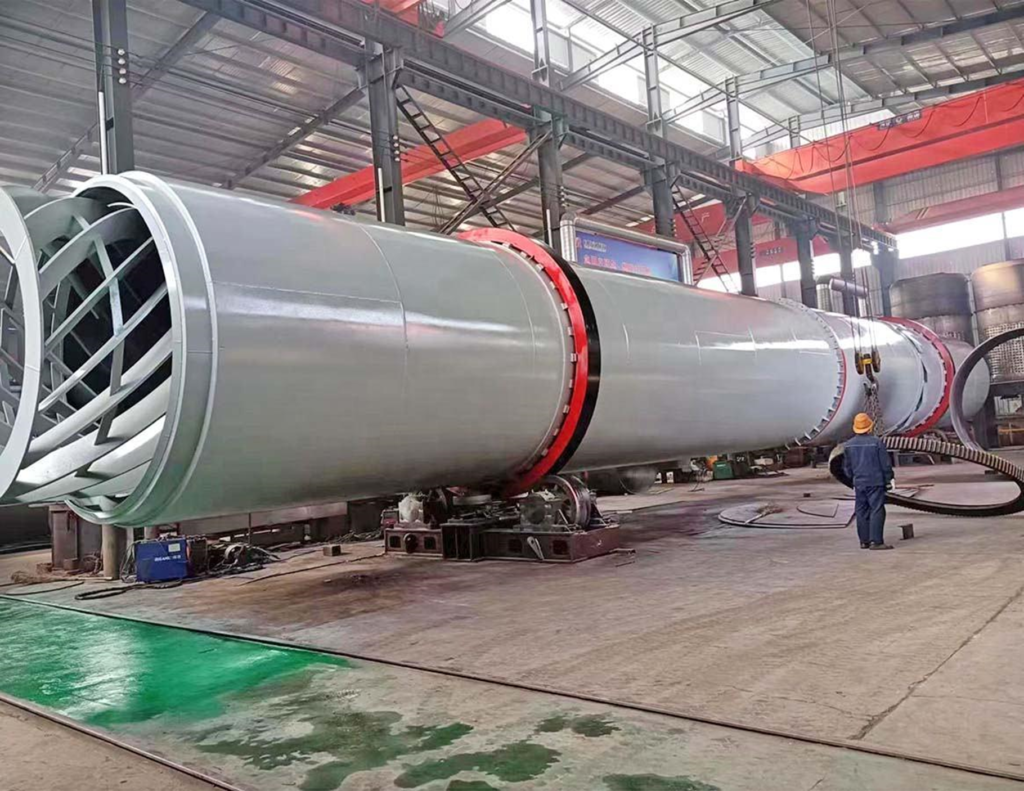
Strengths: continuous high capacity, established heavy-duty design.
Limitations: sticky sludge may require special flighting, back-mixing or pre-conditioning; exhaust air volume is typically higher than pure indirect systems.
3. Belt / Band Dryer
A continuous belt or band dryer carries the sludge through controlled temperature and airflow zones. It can suit applications needing multi-zone drying profiles and continuous operation when the feed can be distributed as a uniform bed.

Strengths: staged drying, good visibility of the process, continuous discharge.
Limitations: highly sticky material may require careful feed preparation and belt selection.
4. Other options (application-dependent)
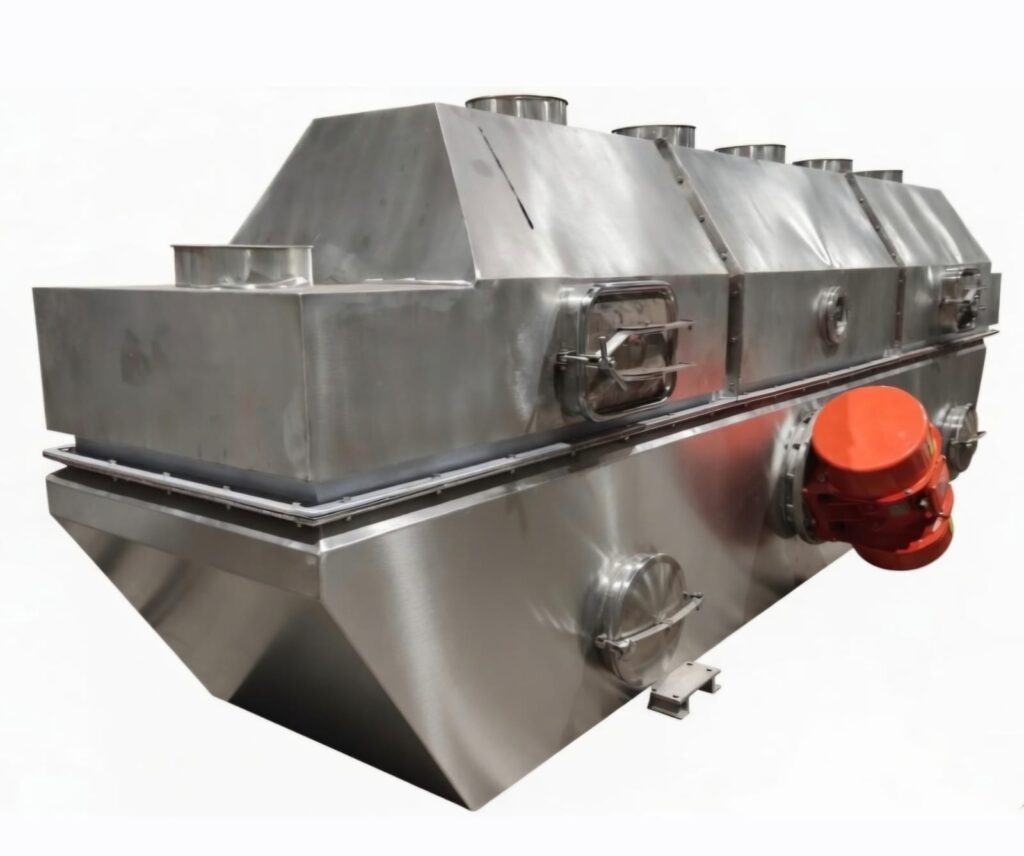
Fluid-bed or vibratory fluid-bed systems may be evaluated only after the sludge has been conditioned into particles that fluidise. Thin-film or other specialised dryers appear in certain concentrate or high-TDS streams (often linked to ZLD). Direct comparison should always start from the actual sludge rheology.
Technology selection starting matrix
| Requirement | Paddle (Indirect) | Rotary | Belt / Band |
|---|---|---|---|
| Sticky / pasty ETP cake | Strong | Possible with design care | Possible with feed prep |
| Low process-air / enclosed system | Strong | Moderate | Moderate |
| High continuous throughput | Good | Strong | Strong |
| Multi-zone temperature control | Possible | Possible | Strong |
| Odour & vapour management priority | Strong | Requires robust exhaust treatment | Requires robust exhaust treatment |
| Compact footprint | Advantage | Larger | Moderate–larger |
Final choice requires representative sludge testing.
Common Problems and Practical Responses
| Problem | Typical causes | Engineering response |
|---|---|---|
| Sticky buildup / wall deposits | Intermediate sticky phase, insufficient agitation or temperature control | Indirect agitated design (paddle); surface materials; temperature profiling; possible recycle of dry product |
| Incomplete drying / high residual moisture | Under-sized evaporation duty, short-circuiting, uneven feed | Recalculate mass balance; improve feed distribution; verify residence time and heat transfer |
| Strong odour or vapour emissions | Inadequate condensation / scrubbing / filtration | Design vapour handling as an integral system (condenser, scrubber, biofilter or thermal oxidiser as required) |
| High energy consumption | High inlet moisture, poor heat recovery, excess air | Maximise upstream dewatering; evaluate heat recovery; prefer indirect systems where appropriate |
| Corrosion or abrasion | Aggressive chemicals or abrasive solids | Correct material of construction (SS316 / higher alloys / coatings); wear protection |
| Variable product quality | Inconsistent feed moisture or composition | Upstream process control; robust dryer design with adequate residence time and mixing |
Pilot or laboratory drying tests with the actual dewatered sludge remain the most reliable way to confirm behaviour and energy demand.
Information Required for a Technical Assessment or Quotation
To size and select an ETP sludge dryer correctly, provide:
- Wet sludge capacity (kg/h or tonnes/day)
- Moisture content after mechanical dewatering (%)
- Target residual moisture (%)
- Sludge source / industry (chemical, pharma, textile, food, paper, CETP, etc.)
- Available heat source (steam pressure, thermic fluid temperature, hot air, waste heat)
- Operating hours per day and days per year
- Preferred construction materials or corrosion concerns
- Space constraints and integration requirements
- Odour / emission control expectations
- Intended disposal or recovery route
An illustrative mass-balance example (not a design guarantee):
If 1 000 kg/h of dewatered sludge at 75 % moisture must reach 15 % residual moisture, approximately 706 kg/h of water must be evaporated. Actual dryer size, heat duty and energy consumption depend on heat-transfer rate, residence time, heat losses and system efficiency — all material-specific.
Geographic Considerations & How GTI Evaluates International Markets
While the core engineering principles of ETP sludge drying are universal, market conditions, regulatory frameworks, energy costs and preferred disposal or recovery routes differ by country. GTI Dryers evaluates each market on the basis of actual process requirements rather than applying a single standard machine.
India
High industrial density, tightening CPCB/SPCB enforcement, limited land for drying beds and rising disposal costs make continuous thermal drying increasingly relevant. GTI designs systems around local utilities (steam, thermic fluid, biomass or waste heat), corrosion conditions and compliance expectations common in chemical, pharmaceutical, textile and CETP plants.
Europe
Resource efficiency, circular-economy objectives and stricter wastewater directives influence technology choice. Enclosed indirect systems (especially paddle dryers) with robust vapour and odour control are frequently preferred. GTI evaluates European projects against applicable national regulations, heat-recovery opportunities and the intended recovery or thermal-treatment route.
United States
Emphasis on operational reliability, documented process control and integration with existing wastewater infrastructure. GTI assesses sludge characteristics, available heat sources and final management pathway (landfill, co-processing or further treatment) to recommend the appropriate dryer configuration and system boundaries.
United Kingdom
Similar drivers to continental Europe with additional focus on energy efficiency and odour management near urban or industrial clusters. GTI reviews project-specific moisture targets, emission expectations and site constraints before proposing paddle, rotary or belt-based solutions.
Brazil & Latin America
Growing industrial wastewater volumes in chemical, food, pulp & paper and agro-processing sectors. GTI evaluates local sludge variability, available energy sources and logistics costs to size systems that deliver meaningful volume reduction and improved handling.
Southeast Asia & Middle East (selected markets)
Rapid industrialisation, water scarcity and rising environmental standards create demand for compact, continuous sludge-drying solutions. GTI examines climate effects on open drying, utility availability and export-oriented compliance requirements when scoping projects.
GTI Dryers does not claim universal superiority in any market. The company positions itself as an engineering partner that can assess project data from India or overseas and propose a technically appropriate industrial sludge-drying configuration.
How GTI Dryers Approaches ETP Sludge Drying
GTI Dryers designs and manufactures industrial drying systems for ETP sludge, industrial wastewater solids and related high-moisture materials. Technology evaluation follows the sludge characteristics rather than a single preferred machine:
- Paddle dryers for sticky, pasty or enclosed-process duties
- Rotary dryers for suitable high-throughput applications
- Belt / band dryers where continuous multi-zone drying is advantageous
- System integration covering feeding, vapour and odour handling, dust control, cooling and discharge
GTI positions itself as an engineering partner that sizes the complete drying line around process data, available utilities and compliance requirements. Pilot evaluation is recommended when sludge behaviour is uncertain.
Related GTI content covers industrial sludge, digestate and wastewater solids drying systems.
Contact the GTI Technical Team:
Website: gtidryers.com
Email: mktg@gtidryers.com
Phone / WhatsApp: +91 9330077417