
GTI Dryers designs industrial drying systems for organic acids, chemical intermediates, crystalline chemicals, granules and suitable wet filter cakes, with technology selection based on material behaviour, moisture requirements and downstream processing.
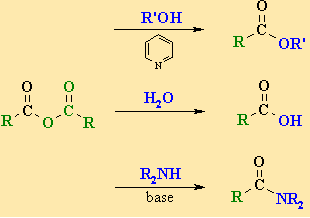
In chemical manufacturing, the final drying stage can influence product consistency, storage stability, handling, packaging and the efficiency of downstream operations.
Products such as citric acid, adipic acid, terephthalic acid, phthalic anhydride, maleic anhydride and urea require different process considerations. Some leave crystallization as wet crystals. Others may be handled as filter cakes, pastes, granules or solidified products.
The right drying system starts with the condition of the material entering the equipment—not just its chemical name.
GTI Dryers provides customized industrial drying solutions for chemical and process industries. Depending on the application, technologies such as fluid-bed dryers, rotary dryers, flash or spin-flash dryers and indirect dryers may be evaluated for the required duty. GTI’s equipment range includes multiple drying technologies for industrial process applications.
1. The Production Problem: Why Is Your Chemical Plant Struggling at the Drying Stage?
A chemical plant may achieve the required reaction, crystallization and filtration results but still experience problems before the product reaches packaging.
Common challenges include:
- Wet crystals entering the dryer with variable moisture
- Filter cake sticking to feeding equipment
- Lumps forming during drying
- Uneven residual moisture
- Product caking during storage
- Crystal breakage and excessive fines
- Poor powder flowability
- Product temperatures exceeding process limits
- High energy consumption
- Dust losses during collection
- Drying capacity failing to match crystallization or filtration
- Inconsistent product quality between production runs
- Corrosion or contamination concerns
- Difficult cleaning and maintenance
These problems are not always caused by the dryer alone. Feed preparation, upstream filtration, particle characteristics, air distribution, residence time and downstream handling can all influence the result.
A reliable dryer-selection process must therefore answer three questions:
- What is the physical condition of the feed?
- What properties must the final product achieve?
- Which drying technology can achieve those requirements within the plant’s operating constraints?
2. Which Chemicals Can Require Industrial Drying?
Organic acids, anhydrides and chemical intermediates cover several distinct process categories.
Organic acids
- Citric acid crystals
- Adipic acid
- Terephthalic acid
- Other suitable organic acid crystals and solids
- Specialty organic acids and intermediates
Anhydrides and related chemicals
- Phthalic anhydride
- Maleic anhydride
- Other suitable solid anhydrides and specialty chemicals
Chemical intermediates and bulk chemicals
- Urea
- Organic chemical intermediates
- Inorganic or organic salts
- Crystalline chemical products
- Filter-cake-based chemical products
- Specialty chemical powders and granules
The inclusion of a chemical in this list does not mean it always requires a separate drying stage. Some processes already produce a suitable solid through crystallization, flaking or solidification. The actual need for drying must be established from the process route and final product specification.
3. Begin With the Feed: What Is Entering Your Dryer?
This is the most useful starting point for selecting equipment.
<box gap={3}> <row align=start gap={3}> <AsyncImage query=”wet crystalline citric acid crystals industrial chemical production close up” aspectRatio=”3:4″ width=”100px” /> <box flex=”1″ gap={1}> **A. Wet crystals or granules**
Examples: suitable citric acid crystals, adipic acid crystals and other crystalline chemical products. **Technology to evaluate:** fluid-bed dryer, vibratory fluid-bed dryer or rotary dryer, depending on particle properties and process requirements.</box></row> <divider color=”subtle” /> <row align=start gap={3}> <AsyncImage query=”wet chemical filter cake industrial filtration equipment powder chemical process” aspectRatio=”3:4″ width=”100px” /> <box flex=”1″ gap={1}> **B. Wet filter cake or cohesive paste**
Examples: suitable organic acid intermediates and specialty chemical filter cakes. **Technology to evaluate:** spin-flash, flash or indirect drying, depending on stickiness, feed consistency and thermal sensitivity.</box></row> <divider color=”subtle” /> <row align=start gap={3}> <AsyncImage query=”industrial white chemical granules urea crystalline granules close up” aspectRatio=”3:4″ width=”100px” /> <box flex=”1″ gap={1}> **C. Free-flowing granules or bulk solids**
Examples: suitable urea granules and other particulate chemical products. **Technology to evaluate:** fluid-bed or rotary drying where the process requires moisture removal. Cooling may also be needed.</box></row> <divider color=”subtle” /> <row align=start gap={3}> <AsyncImage query=”industrial chemical flakes white solid anhydride product on conveyor” aspectRatio=”3:4″ width=”100px” /> <box flex=”1″ gap={1}> **D. Flakes or solidified products**
Examples: suitable anhydride products produced by flaking or solidification. **Technology to evaluate:** first establish whether drying is necessary at all. Cooling, solidification, conditioning or controlled handling may be the primary requirement.</box></row> </box>
This approach helps prevent a costly mistake: specifying a dryer for a product that needs a different process operation, or choosing equipment that cannot reliably handle the feed.
4. Fluid-Bed Dryers for Organic Acid Crystals and Chemical Granules
Fluid-bed drying is widely used for suitable crystalline and particulate materials because the drying gas contacts the particles directly. Industrial chemical applications include citric acid and other chemical crystals or granules.
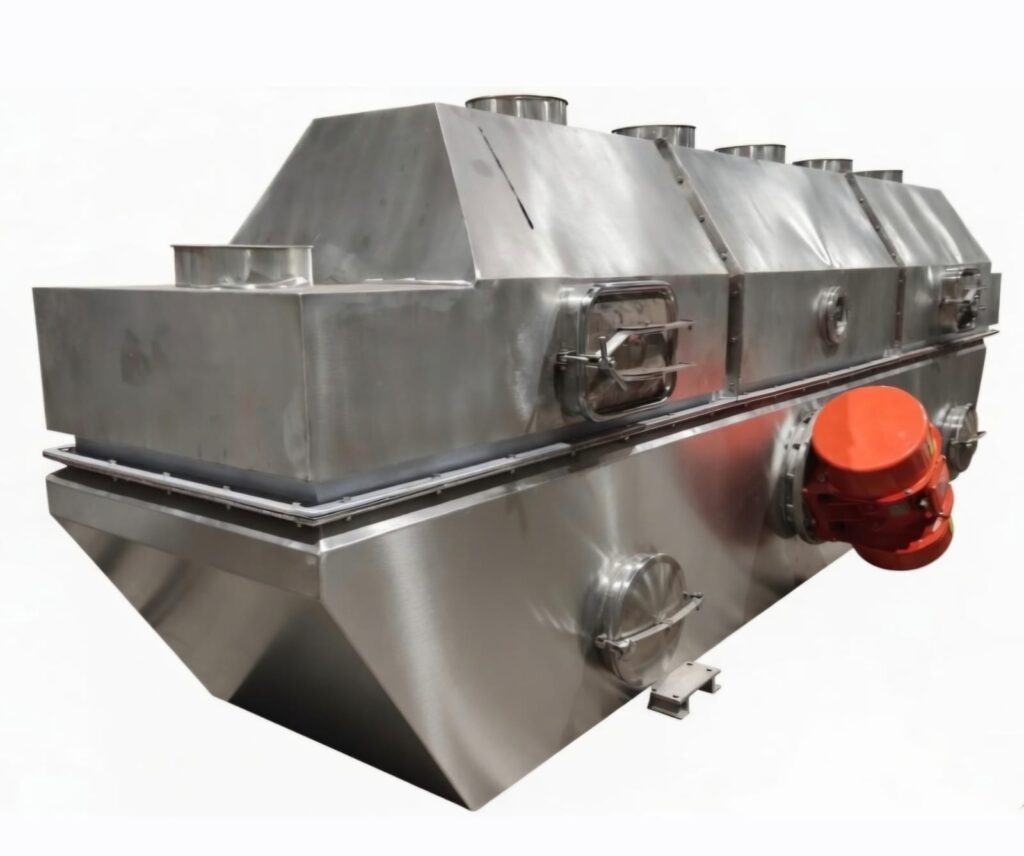
How the process works
Wet crystals or granules enter the drying chamber. Heated air passes through a distribution plate, suspending or fluidizing the particles. Moisture transfers from the solids to the gas stream, and the dried product is discharged after the required residence time.
A typical process route is:
Wet Crystals → Feed Distribution → Fluid-Bed Drying → Optional Cooling → Screening → Packaging
When should you evaluate a fluid-bed dryer?
- The material is sufficiently particulate and fluidizable.
- Uniform contact between the drying gas and solids is desirable.
- The process requires continuous drying.
- Product temperature and residual moisture need to be controlled.
- A drying-and-cooling arrangement could simplify downstream handling.
What must be checked before selection?
- Particle size and distribution
- Crystal strength and breakage tendency
- Initial and target moisture
- Product temperature limits
- Bulk density
- Tendency to agglomerate
- Air humidity and temperature
- Required production capacity
- Dust generation and collection
For citric acid crystals, published industrial research has examined fluidized-bed drying and the effects of air conditions and heat losses on energy performance. This reinforces the importance of process-specific air management rather than applying one standard operating condition to every product.
5. Rotary Dryers for Robust Chemical Solids
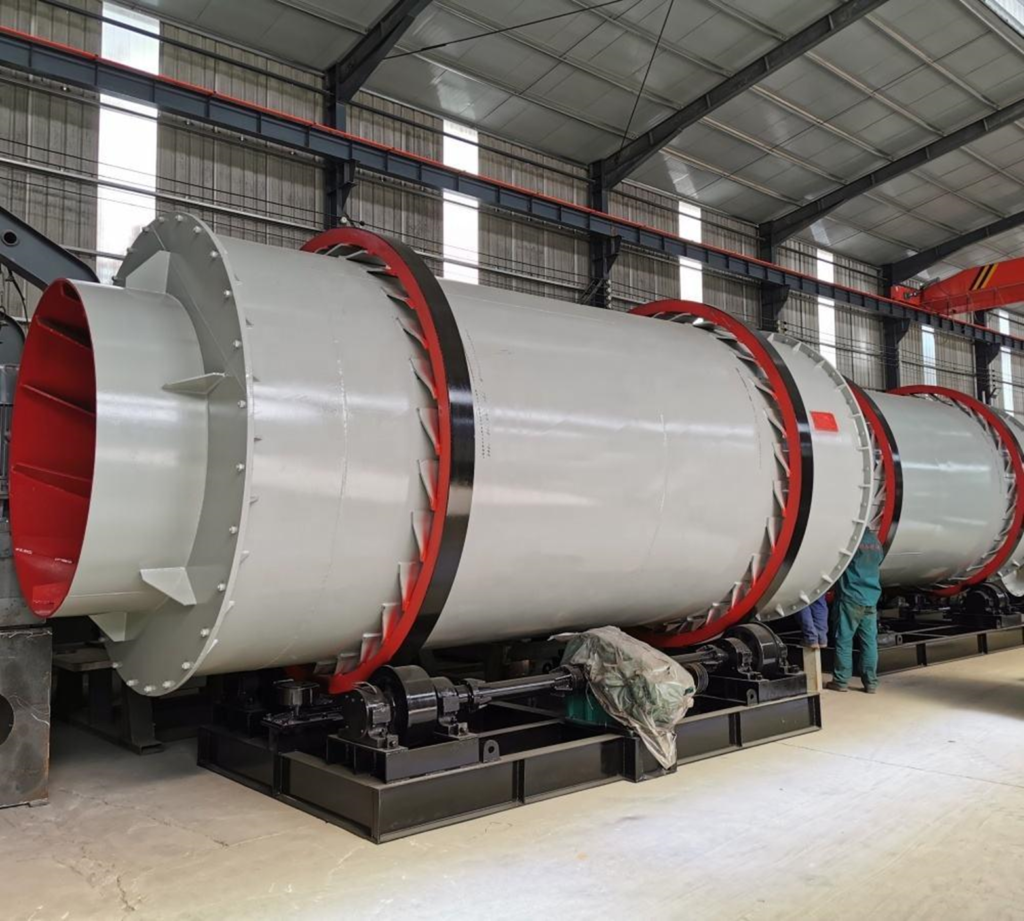
Rotary dryers can be considered for suitable robust crystals, granules and bulk solids where continuous material movement and high-volume processing are important.
The material moves through a rotating drum while contacting a drying medium. Depending on the design, heat may be transferred directly from the drying gas or indirectly through heated surfaces.
Potential applications
- Suitable bulk chemical granules
- Robust crystalline products
- Selected organic acid solids
- Certain urea-related duties
- Chemical solids requiring continuous moisture removal
When can a rotary dryer be the right choice?
A rotary dryer may be worth evaluating when:
- The material can tolerate tumbling and movement.
- The feed is suitable for continuous drum handling.
- Production volume supports the configuration.
- Particle degradation is manageable.
- The process requires robust industrial operation.
When might another technology be preferable?
If the material is fragile, highly cohesive, prone to caking or sensitive to mechanical handling, a fluid-bed or another process-specific configuration may be more appropriate.
The decision should compare the required product quality, throughput, energy demand, maintenance and integration—not capacity alone.
6. Spin-Flash and Flash Dryers for Wet Chemical Filter Cakes
Some chemical products leave filtration as a wet cake rather than as free-flowing crystals. This changes the equipment requirements.
A cohesive filter cake may not feed uniformly into a conventional fluid-bed dryer. It may also require mechanical dispersion before efficient drying can take place.
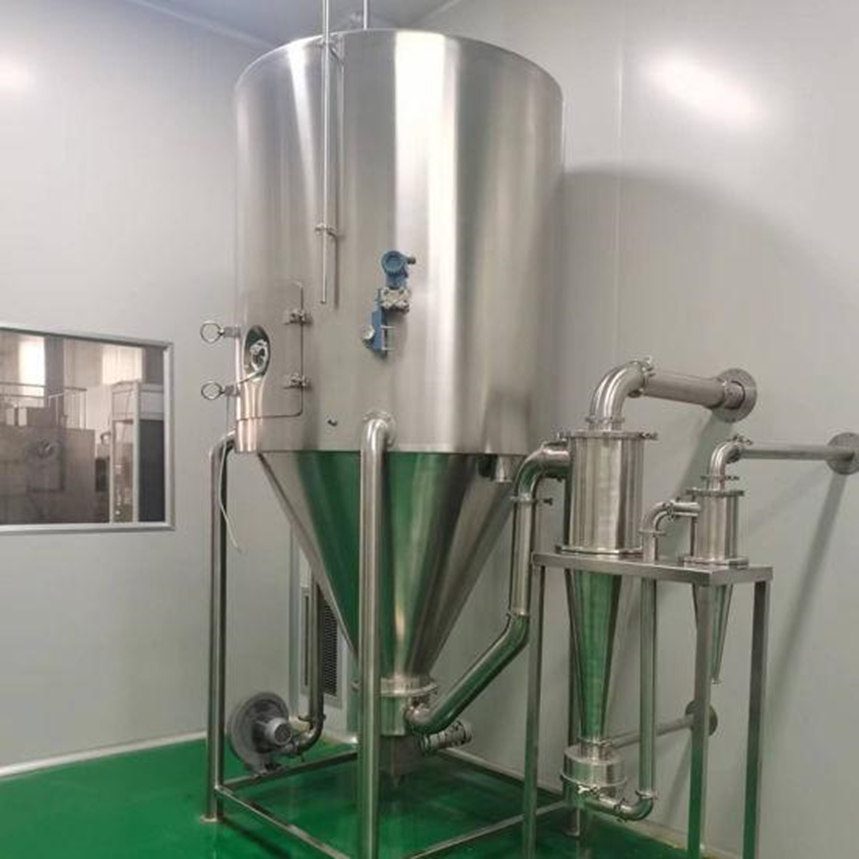
A spin-flash dryer can combine mechanical disintegration and drying for suitable wet cakes and pastes. Flash drying may be appropriate for other materials that can be dispersed into a drying gas stream.
A typical process concept
Wet Filter Cake → Controlled Feeding → Mechanical Dispersion → Drying → Powder Separation → Collection
Key design considerations
- Feed consistency
- Initial moisture
- Cohesiveness and stickiness
- Mechanical dispersion requirements
- Thermal sensitivity
- Desired particle size
- Dust collection
- Exhaust treatment
- Product recovery
These technologies should not be selected simply because a chemical is listed as an application. Trials or detailed process evaluation may be necessary when feed behaviour is uncertain.
7. Indirect Drying for Suitable Sensitive or Difficult Chemicals
Some chemical materials may require reduced direct contact with a large stream of hot drying gas. In such cases, an indirect dryer may be considered.
Depending on the material and process, suitable options can include paddle or other conductive drying systems.
Potential reasons to evaluate indirect drying include:
- Limiting direct contact with process gas
- Managing dusty or cohesive materials
- Reducing the volume of process exhaust
- Handling selected heat-sensitive products
- Supporting a contained process arrangement
However, indirect drying is not automatically superior. Heat-transfer limitations, mixing behaviour, cleaning, product residence time and the required final moisture all need to be evaluated.
Where the material contains volatile or hazardous components, the complete system may require engineered containment, vapour recovery, inerting or other safeguards.
8. Citric Acid Drying: Control Moisture Without Compromising the Product
Citric acid is a useful example of a crystalline chemical for which drying and cooling conditions must be matched to the required product characteristics.
After crystallization and solid-liquid separation, wet crystals may enter a fluid-bed or another suitable dryer. Depending on the process, the line may also include cooling, screening and packaging.
Common production concerns
- Variable moisture in wet crystals
- Crystal agglomeration
- Inconsistent particle size
- Excessive fines
- Caking during storage
- Inconsistent product temperature before packaging
Engineering approach
The drying system should be designed around:
- Crystal form and size
- Initial moisture
- Required final moisture
- Drying and cooling requirements
- Air humidity
- Residence time
- Product recovery
- Hygienic requirements where applicable
For food-grade or pharmaceutical-grade citric acid, contact materials, cleaning and air quality must be evaluated against the required product standards.
Important: citric acid monohydrate and anhydrous citric acid are not interchangeable specifications. The target product form must be established before the dryer is designed.
9. Adipic Acid and Terephthalic Acid: Match Drying to the Actual Process Route
Adipic acid and terephthalic acid are important industrial organic acids, but their drying requirements depend on how the material is recovered and presented to the drying stage.
The feed could be crystalline material, a wet solid or a filter cake, depending on the process.
For adipic acid
The engineering review should consider:
- Crystal size and strength
- Residual moisture
- Agglomeration tendency
- Particle handling
- Product temperature
- Downstream storage and processing
A fluid-bed or rotary dryer may be evaluated for suitable particulate feed. A different technology may be required if the feed is cohesive or cannot be handled as free-flowing solids.
For terephthalic acid
The feed characteristics, solids handling and downstream process requirements should determine the drying approach.
Important considerations include:
- Particle-size distribution
- Residual moisture
- Dust generation
- Abrasion and equipment wear
- Product conveyance
- Required capacity
- Integration with upstream separation and downstream processing
The correct equipment cannot be determined from the chemical name alone. Feed testing and process information are particularly useful where particle handling or dust management is challenging.
10. Phthalic Anhydride and Maleic Anhydride: Is Drying Actually Required?
Anhydrides require a different selection approach from many wet crystalline organic acids.
Phthalic anhydride and maleic anhydride can be manufactured and handled through process routes involving condensation, solidification, flaking or other solid-product operations. The appropriate finishing equipment depends on the actual process design and product form.
Before specifying a dryer, establish whether the plant requires:
- Moisture removal
- Cooling
- Flaking or solidification
- Product conditioning
- Controlled transfer and storage
- Dust or vapour management
If a drying stage is required, equipment selection must account for the material’s thermal properties, physical form, volatility and compatibility with construction materials.
Anhydrides may react with moisture, and some duties may involve hazardous vapours or other process risks. The system must therefore be designed using the product’s safety data and process-specific engineering requirements.
Buyer takeaway: for anhydrides, do not assume a standard hot-air dryer is suitable—or even necessary—without first reviewing the production route.
11. Urea Drying: Control Moisture, Temperature and Product Handling
Urea is not an organic acid, but it is a relevant bulk chemical for industrial drying and conditioning applications.
Whether a separate dryer is needed depends on the manufacturing route, feed condition and required product specification. Certain processes may require drying, while others may rely more heavily on granulation, cooling or conditioning.
Common challenges
- Excess moisture
- Caking during storage
- Uneven granule quality
- Product temperature before packaging
- Dust and fines
- Inconsistent feed to downstream equipment
Technology selection
Fluid-bed drying and cooling can be evaluated for suitable urea granules. Rotary drying may be considered for appropriate robust bulk-solid duties.
The final selection should account for:
- Granule strength
- Moisture requirements
- Temperature limits
- Throughput
- Cooling duty
- Dust control
- Storage conditions
- Safety requirements
Urea should not automatically be treated like ammonium nitrate or other fertilizer chemicals. Each material has its own process and safety considerations.
12. Problem-Solving Guide: Match the Production Issue to the Engineering Response
| Production problem | Possible causes | What to investigate |
| Uneven final moisture | Variable feed, poor distribution, unstable airflow | Feed uniformity, air distribution, residence time |
| Product forms lumps | Sticky feed, local wet zones, unsuitable handling | Feed condition, drying profile, mechanical movement |
| Excessive fines | Crystal breakage, attrition, aggressive handling | Particle strength, vibration, drum movement, feed system |
| High energy consumption | Excessive water load, heat losses, inefficient airflow | Upstream dewatering, insulation, air management, heat recovery |
| Dryer capacity is insufficient | Incorrect evaporation basis, variable feed | Wet-feed rate, inlet moisture, target moisture, operating hours |
| Dust losses are high | Fine particles, poor separation, unsuitable collection | Cyclone/bag-filter design, airflow and product recovery |
| Product cakes in storage | Residual moisture, warm packaging, humidity exposure | Final moisture, cooling, storage and packaging |
| Product quality changes | Temperature exposure, inconsistent feed | Product-temperature limits, feed consistency, process control |
| Corrosion or contamination | Incompatible contact materials | Chemistry, temperature, construction materials and cleaning |
The objective is to identify the root cause before changing the dryer design or increasing operating temperature.
13. How to Compare Dryer Technologies Before Buying
| Selection factor | Fluid-bed dryer | Rotary dryer | Spin-flash / flash dryer | Indirect dryer |
| Typical feed | Suitable crystals or particles | Robust bulk solids | Dispersible wet cakes or suitable solids | Suitable solids, pastes or cohesive materials |
| Continuous operation | Common | Common | Common | Design dependent |
| Mechanical handling | Fluidization | Tumbling | Mechanical dispersion may be involved | Mixing or agitation may be involved |
| Fragile particles | Requires evaluation | Breakage risk must be assessed | Depends on dispersion intensity | Depends on design |
| Cohesive filter cake | Often challenging without conditioning | Feed dependent | Often worth evaluating | Can be suitable for selected duties |
| Cooling integration | Often possible | Configuration dependent | Separate or integrated stages | Configuration dependent |
| Key design focus | Fluidization and airflow | Material movement and heat transfer | Feeding, dispersion and drying | Heat transfer, mixing and residence time |
This is a preliminary selection guide. A final recommendation requires the actual feed, product specification and operating conditions.
14. Energy Efficiency: Reduce the Water Load Before Increasing Dryer Size
A common mistake is to address high energy consumption by selecting a larger dryer without reviewing upstream moisture removal.
Mechanical dewatering can often remove part of the liquid load before thermal drying. Depending on the product, this may involve filtration, centrifugation or another suitable solid-liquid separation stage.
A better process review asks:
- Can the upstream separation stage reduce the dryer inlet moisture?
- Is the dryer receiving a consistent feed?
- Is airflow appropriate for the required evaporation rate?
- Can exhaust heat be recovered safely and economically?
- Is product residence time longer than necessary?
- Is the product being cooled appropriately before packaging?
- Are heat losses and leakage being controlled?
The correct energy strategy depends on the material and process. Energy savings should be verified through mass and energy balances rather than assumed from the dryer type alone.
15. Dust Collection, Vapour Management and Plant Safety
Organic acids and chemical intermediates can create different hazards depending on their physical and chemical properties.
A complete drying system may need to consider:
- Dust generation and product recovery
- Exhaust filtration
- Vapour handling
- Corrosion resistance
- Static electricity
- Combustible-dust hazards where applicable
- Solvent recovery
- Inerting where required
- Safe access for cleaning and maintenance
- Product containment
The requirements for a crystalline organic acid will not necessarily be the same as those for a volatile anhydride or solvent-containing intermediate.
Hazard assessment, process design and applicable safety standards should determine the final configuration.
16. Automation and Process Monitoring
Automation can help maintain consistent operation when feed conditions and production rates vary.
Depending on the dryer, useful monitoring and control points may include:
- Feed rate
- Inlet and outlet air temperatures
- Airflow
- Exhaust temperature
- Product temperature
- Differential pressure
- Dryer residence time
- Product moisture
- Vibration or rotor speed where applicable
- Dust-collection performance
For continuous plants, process data can help operators identify feed variations and respond before product quality or throughput is affected.
The instrumentation package should be designed around the actual process risks and quality requirements rather than adding controls without a defined purpose.
17. When Pilot Testing or Feed Evaluation Makes Sense
Pilot testing can be particularly valuable when:
- The feed is sticky or cohesive.
- Crystal breakage is a concern.
- The material has unusual thermal behaviour.
- The target moisture is demanding.
- Product quality depends on particle properties.
- The plant is scaling up production.
- A new chemical grade is being introduced.
- Energy consumption is a major project concern.
Testing may help evaluate drying behaviour, feeding, agglomeration, final moisture, product recovery and the suitability of different technologies.
For hazardous, reactive or volatile chemicals, testing must be conducted under an appropriate, professionally assessed safety protocol.
18. Why Work With GTI Dryers for Chemical Drying Projects?
GTI Dryers designs industrial drying systems for chemical and process applications. Its equipment range includes multiple technologies that can be evaluated against material characteristics, moisture targets, capacity and plant requirements.
For organic acid, anhydride and chemical-intermediate projects, the engineering process should start with the product and feed data—not a predetermined machine.
GTI’s project evaluation can focus on:
- Feed-condition assessment
- Dryer technology selection
- Capacity and evaporation calculations
- Product temperature and moisture requirements
- Feed and discharge arrangements
- Dust collection and exhaust management
- Material-of-construction selection
- Energy and utility requirements
- Automation and instrumentation
- Integration with upstream and downstream equipment
The final scope should be agreed according to project requirements, technical feasibility and the selected technology.
From process problem to drying solution
Your feed data
↓
Material and process evaluation
↓
Suitable technology shortlist
↓
Performance and utility assessment
↓
Equipment configuration
↓
Project engineering and implementation
The goal is to develop a drying system that works with the wider chemical process—not just a machine that removes moisture.
19. What Information Should You Send a Chemical Dryer Manufacturer?
To obtain a useful technical proposal, provide as much of the following information as possible.
Product details
- Chemical name and grade
- Chemical composition
- Product form: crystals, granules, powder, paste or filter cake
- Relevant safety data
- Thermal sensitivity or decomposition concerns
Feed and production
- Wet-feed capacity in kg/h or tonnes/day
- Initial moisture or solvent content
- Required final moisture
- Particle-size distribution
- Bulk density
- Feed temperature
- Operating hours per day
- Continuous or batch operation
Process requirements
- Maximum permitted product temperature
- Required cooling duty
- Required product quality and storage conditions
- Available heat source
- Utility availability
- Dust, vapour or solvent-control requirements
- Installation location and available space
Downstream requirements
- Screening or classification
- Milling or blending
- Packaging temperature
- Required automation
- Existing filtration, crystallization or granulation equipment
Providing this information helps the engineering team distinguish between a straightforward particulate-drying duty and a more complex filter-cake, volatile-chemical or integrated-process application.
20. Frequently Asked Questions
Which dryer is suitable for citric acid crystals?
Fluid-bed drying is a common option for suitable citric acid crystals. Rotary drying may also be evaluated depending on the material and process. Final selection depends on crystal properties, moisture requirements, product form and throughput.
Which dryer is used for adipic acid?
The technology depends on whether adipic acid enters as crystals, granules or a wet filter cake. Fluid-bed or rotary drying may be considered for suitable particulate feed; cohesive feed may require a different approach.
Do phthalic anhydride and maleic anhydride always require drying?
No. Some process routes use solidification, flaking or other finishing operations. The plant’s actual process route must be reviewed to establish whether drying is required and what equipment is appropriate.
Can a fluid-bed dryer handle organic acids?
Yes, for suitable crystalline and particulate materials. Particle size, strength, fluidization behaviour, thermal stability and required moisture must be assessed before design.
Is a rotary dryer suitable for urea?
It can be evaluated for suitable urea-related bulk-solid duties. Depending on the process, fluid-bed drying and cooling may also be appropriate. The decision depends on granule properties, moisture, capacity and downstream requirements.
What is the difference between a fluid-bed and spin-flash dryer?
A fluid-bed dryer is generally suited to materials that can be fluidized effectively. A spin-flash dryer combines mechanical dispersion with drying and can be evaluated for suitable cohesive wet cakes or pastes.
How can chemical drying energy consumption be reduced?
Start by reviewing the inlet moisture, upstream dewatering, airflow, insulation, heat losses and required residence time. The best improvement depends on the process and should be validated through engineering calculations or trials.
What information is needed to size an industrial chemical dryer?
The most important inputs include product identity, feed form, wet-feed rate, initial and final moisture, particle size, thermal limits, required capacity, available utilities and downstream requirements.
Can GTI Dryers provide customized chemical drying solutions?
GTI Dryers can evaluate chemical drying projects based on feed characteristics, process conditions, capacity, product-quality requirements and suitable drying technologies.
Conclusion: Select the Dryer for the Material, Not Just the Chemical Name
Organic acids, anhydrides and chemical intermediates require different approaches to moisture removal and product finishing.
- Citric acid crystals: evaluate fluid-bed and other suitable crystalline-product drying systems.
- Adipic and terephthalic acid: begin with the actual feed form, particle properties and downstream process.
- Phthalic and maleic anhydrides: establish whether the duty requires drying, cooling, flaking or another finishing operation.
- Urea and other bulk chemicals: evaluate drying and cooling requirements according to the product and process route.
- Wet chemical filter cakes: consider flash, spin-flash or suitable indirect technologies where feed behaviour supports them.
The right system should deliver the required moisture and product characteristics while addressing energy consumption, material handling, dust management, safety and integration with the rest of the plant.
GTI Dryers — Engineered Drying Solutions from India for Global Chemical Industries.
Discuss Your Chemical Drying Requirement With GTI Dryers
Share your chemical name, feed condition, initial moisture, target moisture and production capacity to begin a technology-selection discussion.
Planning a catalyst or adsorbent drying project?
Contact GTI Dryers to discuss your material, process requirements and drying challenges.
- Website: https://gtidryers.com/catalyst-drying/
- Email: mktg@gtidryers.com
- Phone: +91-9330077417
GTI Dryers — Engineered Drying Solutions from India for Global Industries.