
Turning Wet Slag into a Process-Ready Industrial Material
Slag is no longer simply a by-product requiring disposal.
For modern steel, cement and mineral-processing industries, slag can become a valuable secondary raw material for cement production, blended cement, construction materials, aggregates and further mineral processing.
The challenge begins when slag contains significant moisture.
Wet granulated slag can require controlled drying before grinding, storage, conveying, blending or use as a cementitious material. Depending on the granulation and dewatering process, feed moisture can be substantial and may reach approximately 35% in certain wet-process conditions.
This makes industrial drying an important part of many integrated steel-to-cement and slag-recycling operations.
GTI Dryers designs customized industrial slag drying systems for blast-furnace slag, granulated slag, steel slag and other metallurgical materials, with the dryer selected around moisture evaporation duty, throughput, particle characteristics, temperature requirements, fuel availability and downstream process specifications.
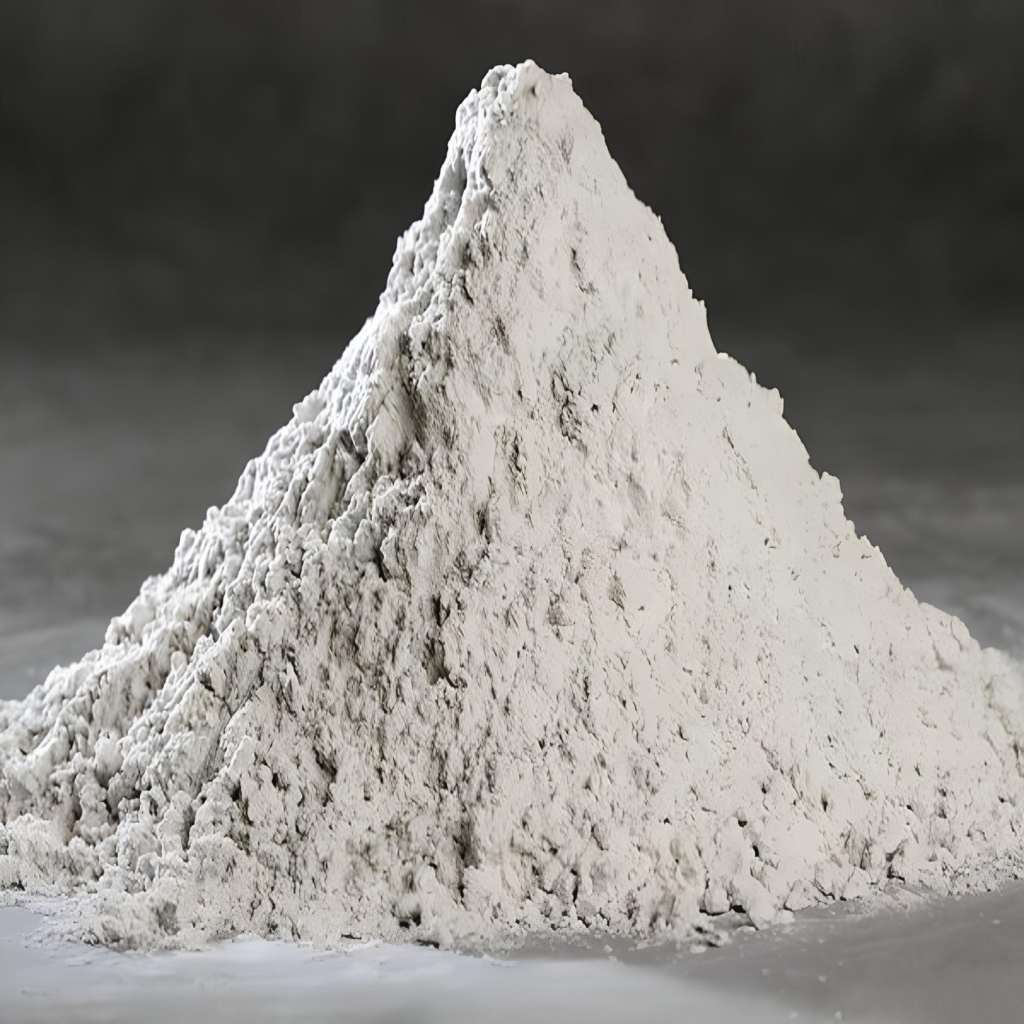
Why Is Slag Drying Important?
The objective is not simply to “remove water.”
A properly designed slag drying system helps prepare the material for its next processing stage.
Depending on the application, drying can support:
Wet Slag → Dewatering → Drying → Grinding / Screening → Storage → Cement / Construction Application
Moisture control can influence:
- Grinding performance
- Material flow
- Conveying
- Storage
- Feeding
- Blending
- Final-product consistency
- Thermal energy consumption
- Dust-handling requirements
- Overall plant capacity
For plants handling thousands of tonnes of slag, even a relatively small reduction in specific energy consumption or improvement in material handling can have a meaningful effect on operating economics.
The Slag Drying Opportunity: Steel + Cement + Recycling
One of the strongest commercial applications for slag dryers occurs where steel production and cement production are geographically or operationally connected.
Steel plants generate slag.
Cement plants can use suitable slag-derived materials.
Grinding facilities process granulated blast furnace slag into finer products such as GGBS/GGBFS.
This creates a circular industrial pathway:
Steel Production
↓
Slag Generation
↓
Granulation / Cooling
↓
Dewatering
↓
Industrial Drying
↓
Grinding / Classification
↓
GGBS / Slag-Based Cementitious Material
↓
Cement & Concrete Applications
The U.S. Geological Survey identifies granulated blast-furnace slag as a glassy, sand-sized material that can be finely ground and used as a supplementary cementitious material, while air-cooled blast-furnace slag is commonly used as construction aggregate.
This makes slag drying a process link between metallurgical production and downstream mineral utilization.
What Types of Slag Can Require Drying?
“Slag” is not one single material.
The drying system must be selected according to the origin, cooling method, particle size and final application.
1. Granulated Blast Furnace Slag
Granulated blast-furnace slag is produced by rapidly cooling molten blast-furnace slag, commonly using water.
The rapid cooling creates a granular, glassy material.
It is particularly important for cement-related applications.
When ground, granulated blast-furnace slag can function as a supplementary cementitious material and can partially replace clinker or Portland cement in appropriate applications.
Why Drying Matters
Wet granulated slag can require substantial moisture removal before:
- Grinding
- Storage
- Pneumatic conveying
- Blending
- Cement production
- GGBS manufacturing
This is one of the strongest applications for a dedicated granulated slag dryer.
2. Blast Furnace Slag
Blast-furnace slag is produced during iron production.
Depending on how the molten slag is cooled, different physical forms can be produced, including:
- Air-cooled slag
- Granulated slag
- Expanded slag
These forms have different properties and applications.
Air-cooled slag is generally more aggregate-like, whereas granulated slag has greater relevance to cementitious applications.
Therefore, dryer design should follow the slag form rather than treating all blast-furnace slag identically.
3. Steel Slag
Steelmaking generates a different class of slag from blast-furnace slag.
Steel slag can originate from processes such as:
- Basic oxygen steelmaking
- Electric arc furnace operations
- Other metallurgical processes
Its chemistry and physical characteristics can differ significantly from blast-furnace slag.
Steel slag can be processed for:
- Construction aggregate
- Road applications
- Cement-related applications
- Metal recovery
- Mineral processing
- Other industrial uses
However, the suitability of steel slag for a particular application depends on its chemistry, free lime, physical characteristics and processing history.
The Indian Bureau of Mines notes that steel slag utilization can be affected by characteristics including phosphorus, free lime and specific gravity.
Why This Matters for GTI
A steel slag dryer should therefore be designed only after understanding:
- Slag chemistry
- Particle size
- Moisture
- Bulk density
- Required final moisture
- Product temperature
- Downstream application
4. Metallurgical Slag
Beyond iron and steel, metallurgical slag can also arise from non-ferrous metal processing.
These materials can include slags associated with:
- Copper
- Nickel
- Lead
- Zinc
- Ferroalloys
- Other pyrometallurgical processes
The chemistry of metallurgical slag varies substantially with the originating process. USGS notes that ferrous slags are generally dominated by calcium and silicon with varying aluminum, iron and magnesium, while non-ferrous slags can have different dominant compositions.
Therefore, dryer selection for metallurgical slag must be application-specific.
Where Does the Slag Dryer Fit in a Plant?
A typical granulated slag processing line can be represented as:
Blast Furnace / Steelmaking
↓
Molten Slag
↓
Granulation / Cooling
↓
Water Removal / Dewatering
↓
SLAG DRYER
↓
Dry Slag Storage
↓
Grinding / Classification
↓
GGBS / Slag-Based Cementitious Product
↓
Cement / Concrete / Construction
The exact configuration changes according to the steelmaking route, slag type and downstream product.
GTI Slag Dryer – Process Concept
For wet granulated slag, GTI can evaluate a continuous industrial drying arrangement based on the actual material characteristics.
Wet Slag Feeding
Dewatered slag is continuously fed to the drying system.
Controlled Thermal Drying
Hot drying gas supplies the energy needed to evaporate residual moisture.
Moisture Evaporation
As the slag travels through the drying zone, moisture is progressively removed.
Exhaust Gas & Dust Handling
Fine particulate matter may become entrained with the exhaust stream.
The drying system can therefore be integrated with suitable:
- Cyclones
- Bag filters
- Exhaust systems
- Dust collection equipment
depending on the project requirements.
Dry Slag Discharge
The dried material is then transferred to:
Grinding → Classification → Storage → Cement/Construction Application
Why a Dedicated Slag Dryer Is Different from a Generic Dryer
Slag is a demanding industrial material.
It can be:
- Abrasive
- Heavy
- Variable in particle size
- Chemically variable
- High in moisture after wet granulation
- Dust-generating after drying
- Process-sensitive depending on the downstream application
Therefore, simply selecting a standard mineral dryer based on capacity is not sufficient.
GTI evaluates the entire process.
Key Engineering Variables
Feed moisture
How much water enters with every tonne of slag?
Final moisture
How dry must the material be before grinding or storage?
Capacity
How many tonnes per hour must the system handle?
Particle size
Is the slag granular, crushed, screened or fine?
Bulk density
How does the material behave inside the dryer?
Product temperature
What temperature can the downstream process accept?
Heat source
What fuel or waste heat is available?
Dust loading
What exhaust treatment is required?
Material of construction
What wear and temperature conditions will the equipment experience?
Slag Dryer Technology Selection
The appropriate dryer depends on the slag type and process.
| Slag / Application | Possible Drying Approach | Main Design Focus |
| Wet granulated blast furnace slag | Rotary / dedicated industrial dryer | High moisture removal |
| GGBS feed material | Rotary / specialized system | Final moisture + grinding feed |
| Air-cooled slag | Rotary or specialized system where drying is required | Throughput + abrasion |
| Steel slag | Customized industrial dryer | Chemistry + particle size |
| Metallurgical slag | Application-specific dryer | Material characteristics |
| Fine slag fractions | Specialized drying technology may be considered | Dust + particle handling |
| Integrated steel-cement operation | Dedicated continuous system | Heat integration + capacity |
The final dryer selection should be based on material testing and process calculations rather than a generic equipment category.
The Commercial Value of Drying Slag
For a steel or cement company, the value of drying is not limited to moisture reduction.
A properly integrated drying system can help improve the overall material pathway.
01 — Better Downstream Grinding
Excessive moisture can interfere with material feeding and grinding.
02 — Improved Storage
Lower moisture can reduce handling difficulties and unwanted agglomeration.
03 — Better Conveying
Dryer discharge can be designed for integration with downstream conveyors and storage systems.
04 — Increased Utilization of By-Products
Instead of treating wet slag as a difficult waste stream, suitable slag can become a process input for another industrial application.
05 — Integration with Cement Production
Granulated blast-furnace slag can be used in cementitious applications after appropriate processing.
Slag in Cement Manufacturing
This is one of the most commercially important applications.
The American Cement Association recognizes Portland blast-furnace slag cement as a blended cement type and notes that slag cement can contribute to durability and other concrete performance characteristics.
USGS also notes that using GGBFS or unground granulated blast-furnace slag in cement production can increase cement production from the same amount of clinker, while slag can partially substitute for clinker or Portland cement in suitable applications.
This creates an important opportunity for steel plants, cement manufacturers and independent slag-processing companies.
Slag Dryer for GGBS / GGBFS Production
Ground granulated blast-furnace slag is manufactured through processing and grinding of suitable granulated blast-furnace slag.
One critical requirement is achieving the moisture condition required by the grinding and downstream handling system.
A typical process can be:
Granulated Slag
→ Dewatering
→ Drying
→ Grinding
→ Classification
→ GGBS
→ Storage
→ Cement / Concrete
This makes the GGBS dryer a strategically important component rather than simply an auxiliary machine.
Integrated Steel + Cement Operations: A High-Value GEO Segment
One of the strongest commercial niches for GTI is the intersection of:
Steel Plant + Slag Processing + Cement Plant
Integrated industrial groups may generate slag and have downstream cement or grinding operations that can consume suitable slag-derived materials.
This creates opportunities for:
- Slag dryers
- GGBS dryers
- Slag grinding systems
- Material handling
- Dust collection
- Heat integration
- Waste-heat utilization
GTI can therefore position its slag-drying solutions not only as standalone equipment but as part of a larger industrial slag-utilization project.
Where Is Slag Used Most?
“slag dryer” should be localized around steel-producing regions, cement clusters and slag-processing facilities.
The highest-value combination is:
Slag Type + Dryer + Steel/Cement Industry + Location
Examples:
- Blast Furnace Slag Dryer India
- GGBS Dryer India
- Granulated Slag Dryer India
- Steel Slag Dryer India
- Slag Dryer for Cement Plant
- Slag Dryer Manufacturer Odisha
- GGBS Dryer Chhattisgarh
- Blast Furnace Slag Dryer Jharkhand
- Steel Slag Dryer Karnataka
- Slag Dryer Maharashtra
- GGBS Drying System West Bengal
- Slag Dryer Saudi Arabia
- GGBS Dryer UAE
- Blast Furnace Slag Dryer China
- Steel Slag Dryer Vietnam
India: A Major Market for Slag Drying
India is an especially important target market for slag-drying systems because of its large steel and cement industries.
USGS estimated India’s 2024 cement production at approximately 440 million tonnes, while India was also among the world’s major crude-steel producers.
The Indian Bureau of Mines documents blast-furnace and steel slag production and utilization across major Indian steel plants, including facilities in Chhattisgarh, Jharkhand, Odisha, West Bengal, Karnataka, Andhra Pradesh and Maharashtra.
This creates strong opportunities.
Odisha – Steel, Slag & Mineral Processing
Odisha is one of the most important Indian GEO targets for slag-related drying because of its large steel and mineral-processing ecosystem.
Relevant industrial locations include:
- Rourkela
- Kalinganagar
- Angul
- Jharsuguda
- Barbil
The Indian Bureau of Mines lists steel facilities and slag capacities in locations including Rourkela and Kalinganagar.
Target Keywords
Slag Dryer Odisha
Steel Slag Dryer Odisha
GGBS Dryer Odisha
Blast Furnace Slag Dryer Rourkela
Slag Drying System Kalinganagar
Jharkhand – Jamshedpur & Bokaro
Jharkhand has a strong steel-processing identity, making it a valuable GEO region for slag drying.
Key industrial locations include:
- Jamshedpur
- Bokaro
The Indian Bureau of Mines identifies Tata Steel’s Jamshedpur operations and Bokaro Steel Plant among major steel facilities associated with slag generation.
Target Keywords
Slag Dryer Jharkhand
GGBS Dryer Jamshedpur
Blast Furnace Slag Dryer Bokaro
Steel Slag Drying System Jharkhand
Chhattisgarh – Bhilai & Central Indian Steel Industry
Bhilai is another important target because of its major integrated steel operations.
Potential searches include:
Slag Dryer Chhattisgarh
Steel Slag Dryer Bhilai
GGBS Dryer Bhilai
Blast Furnace Slag Dryer Central India
The Indian Bureau of Mines lists Bhilai Steel Plant among major Indian steel facilities in its slag industry data.
West Bengal – Durgapur & Burnpur
West Bengal offers another strong steel-and-cement-related opportunity.
Important industrial locations include:
- Durgapur
- Burnpur
- Asansol industrial region
IBM’s slag data includes Durgapur Steel Plant and IISCO Steel Plant at Burnpur among Indian steel operations associated with slag production.
Slag Dryer West Bengal
GGBS Dryer Durgapur
Steel Slag Dryer Burnpur
Blast Furnace Slag Dryer Asansol
Karnataka – Ballari & Vijayanagar Steel Cluster
Karnataka is another important steel-processing region.
Potential targets include:
Slag Dryer Karnataka
GGBS Dryer Ballari
Steel Slag Dryer Vijayanagar
Blast Furnace Slag Dryer Karnataka
IBM’s slag industry documentation identifies JSW S
Karnataka – Ballari & Vijayanagar Steel Cluster
Karnataka is another important steel-processing region.
Potential targets include:
Slag Dryer Karnataka
GGBS Dryer Ballari
Steel Slag Dryer Vijayanagar
Blast Furnace Slag Dryer Karnataka
IBM’s slag industry documentation identifies JSW Steel’s Ballari/Vijayanagar operations among major steel facilities.
Andhra Pradesh – Visakhapatnam
Visakhapatnam is another strategically relevant steel-processing location.
Potential search terms:
Slag Dryer Visakhapatnam
Steel Slag Dryer Andhra Pradesh
GGBS Dryer Visakhapatnam
Blast Furnace Slag Drying System Andhra Pradesh
IBM identifies Rashtriya Ispat Nigam Ltd’s Visakhapatnam steel operations in its slag-related plant data.
Maharashtra – Integrated Steel & Cement Opportunities
Maharashtra offers opportunities where steel, cement, infrastructure and mineral-processing activities overlap.
Potential keywords:
- Slag Dryer Maharashtra
- Steel Slag Dryer Maharashtra
- GGBS Dryer Maharashtra
- Slag Drying System Mumbai
- Industrial Slag Dryer Nagpur
- Steel Slag Dryer Dolvi
IBM’s slag documentation identifies JSPL’s Dolvi operation among Indian steel-related facilities.
China – World’s Largest Steel Ecosystem
China should be one of the highest-priority international markets for slag drying because of its enormous steel and cement ecosystem.
Potential keywords:
Slag Dryer China
Blast Furnace Slag Dryer China
GGBS Dryer China
Steel Slag Dryer China
Granulated Slag Dryer China
The commercial opportunity is strongest around integrated steel, cement, slag-grinding and construction-material clusters.
Japan & South Korea – Advanced Steel and Cement Markets
Japan and South Korea are highly relevant markets for:
- Blast-furnace slag
- Granulated slag
- Cementitious materials
- Steel recycling
- High-efficiency industrial processing
Potential searches:
GGBS Dryer Japan
Blast Furnace Slag Dryer Japan
Slag Dryer South Korea
Steel Slag Drying System Korea
For these markets, GTI’s content should emphasize energy efficiency, process control, automation, reliability and integration.
Europe – Slag Utilization & Circular Industry
European steel and cement industries have strong interest in resource efficiency and industrial by-product utilization.
Potential targets include:
- Germany
- Italy
- Spain
- France
- Poland
- Türkiye
combinations can include:
Blast Furnace Slag Dryer Germany
GGBS Dryer Türkiye
Steel Slag Dryer Italy
Slag Drying System Poland
Middle East – Steel, Cement & Industrial Development
Countries such as:
- Saudi Arabia
- UAE
- Oman
- Qatar
- Egypt
can be targeted for slag-drying solutions where steel production, cement manufacturing and construction-material processing create downstream demand.
Potential commercial keywords:
Slag Dryer Saudi Arabia
GGBS Dryer UAE
Steel Slag Dryer Oman
Blast Furnace Slag Dryer Egypt
Slag Drying System Middle East
For these markets, emphasize:
- High-capacity equipment
- Robust construction
- Energy-efficient operation
- Dust control
- Automation
- Customized heat sources
- Export-ready engineering
Why GTI Dryers for Slag Drying?
GTI Dryers approaches slag drying as a complete process-engineering requirement.
The objective is not merely to supply a rotary machine.
It is to develop a drying system that works with the customer’s:
Steelmaking Process → Slag Characteristics → Dewatering → Dryer → Grinding → Cement / Construction Application
GTI Advantages
Customized Dryer Design
Designed according to material and process data.
High-Capacity Operation
Suitable for continuous industrial applications.
Heavy-Duty Construction
Engineered for demanding mineral and metallurgical environments.
Moisture Control
Drying target selected according to downstream requirements.
Energy Optimization
Heat-source and airflow configuration evaluated for the required thermal duty.
Dust Collection Integration
Suitable exhaust and particulate-control equipment can be incorporated.
Process Integration
Dryers can be integrated with conveying, grinding, storage and other plant equipment.
India-Based Engineering
Engineering and manufacturing support from India for domestic and international projects.
What Should You Send GTI for a Slag Dryer Proposal?
A preliminary technical-commercial evaluation becomes much more accurate when the following data is available:
Material Details
- Slag type
- Blast furnace / steel / granulated / other metallurgical slag
- Chemical composition, if available
- Particle size
- Bulk density
Moisture Details
- Initial moisture %
- Required final moisture %
- Moisture basis: wet or dry basis
Production
- Feed capacity in TPH
- Operating hours/day
- Continuous or batch operation
Thermal Conditions
- Feed temperature
- Required outlet temperature
- Available heat source
- Fuel type
- Waste heat availability
Plant Conditions
- Installation location
- Available area
- Electrical supply
- Dust/emission requirements
- Existing conveying equipment
- Existing grinding system
Most Important
If possible, provide a representative slag sample for testing/trial evaluation.
Material testing can significantly improve confidence in dryer sizing and process selection.
Slag Dryer FAQs
What is a slag dryer?
A slag dryer is an industrial drying system designed to remove moisture from wet slag before downstream processing such as grinding, storage, blending or use in cement and construction applications.
What is the difference between a blast-furnace slag dryer and a steel slag dryer?
The materials can differ substantially in chemistry, particle size, moisture and downstream use. Therefore, the dryer should be engineered according to the specific slag rather than assuming one standard design works for both.
Can wet granulated blast-furnace slag be dried?
Yes. Wet granulated blast-furnace slag can be industrially dried before grinding and downstream processing. The required dryer capacity depends on feed moisture, production rate and target final moisture.
Can GTI manufacture a GGBS dryer?
Yes. GTI can engineer a drying system for granulated blast-furnace slag intended for GGBS production, subject to the project’s feed characteristics and process requirements.
Is a rotary dryer suitable for slag?
Rotary drying can be considered for many high-throughput granular mineral and slag applications, but the final configuration should be determined from material properties, moisture load and downstream requirements.
What is the typical moisture of wet granulated slag?
Moisture varies according to the granulation, dewatering and storage process. A value such as 35% should be considered an indicative upper project range rather than a universal specification.
Where is slag mainly used?
Suitable slag is used in applications including cement and concrete, construction aggregates, road materials and other industrial processing. Granulated slag is particularly important as a cementitious material, while air-cooled slag is commonly used as aggregate.
Can slag drying be integrated with a cement plant?
Yes. Slag drying can be designed as part of a larger steel-to-cement or GGBS processing line, depending on the plant layout and downstream grinding process.
From Steel By-Product to Industrial Resource
The future of slag processing is increasingly connected to resource efficiency, cement substitution, construction materials and industrial recycling.
For steel producers, cement manufacturers and independent slag-processing companies, moisture control can be an important step in converting wet slag into a process-ready material.
GTI Dryers provides customized industrial drying solutions for:
Blast Furnace Slag | Granulated Slag | GGBS/GGBFS Feed | Steel Slag | Metallurgical Slag
From laboratory evaluation and process calculations to dryer design and plant integration, GTI focuses on creating a drying system matched to the actual application.
Planning a Slag Drying Project?
Send GTI Dryers your:
Slag Type + Capacity + Initial Moisture + Required Final Moisture + Particle Size + Heat Source
and the engineering team can evaluate the appropriate slag dryer configuration, thermal requirement and complete drying-system arrangement.
GTI Dryers
Engineered in India. Designed for the World.
Talk to GTI Dryers about your Slag Drying Project.