Vegetable Dehydration Systems
Industrial Vegetable Drying & Dehydration Solutions for Food Processing Industries
GTI Dryers designs and manufactures advanced Vegetable Dehydration Systems for the food processing industry, enabling efficient drying of fresh vegetables into high-quality dehydrated vegetable flakes, granules, slices, and powders.
Vegetable dehydration is a critical process used to extend shelf life, reduce storage and transportation costs, and preserve the natural nutrients, colour, and flavour of vegetables. Our industrial drying systems are engineered to ensure uniform moisture removal, hygienic processing, and energy-efficient drying, making them ideal for large-scale food processing plants.
Industrial vegetable dehydration systems are widely used for processing:
onion flakes and onion powder
garlic flakes and garlic powder
ginger slices and ginger powder
carrot flakes and carrot powder
potato flakes and dehydrated potato cubes
tomato powder
green peas
cabbage and leafy vegetables
mixed dehydrated vegetable ingredients
GTI vegetable dehydration technologies provide:
consistent moisture reduction
retention of colour and nutrients
uniform drying quality
high production capacity
energy-efficient processing
These systems are widely used in food ingredient manufacturing, ready-to-cook food production, seasoning industries, instant food processing, and export-grade vegetable processing plants.
What are Vegetable Dehydration Systems?
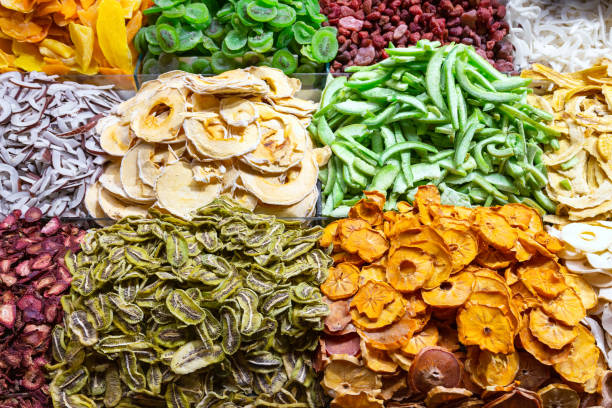
Vegetable Dehydration Systems are industrial processing technologies designed to remove moisture from fresh vegetables while preserving their nutritional value, colour, flavour, and texture.
Fresh vegetables typically contain 70–95% moisture, making them highly perishable. Dehydration reduces the moisture content to safe storage levels, allowing vegetables to be preserved for long periods without refrigeration.
Industrial dehydration systems help manufacturers produce:
dehydrated vegetable flakes
vegetable granules
vegetable powders
diced and sliced dehydrated vegetables
These products are widely used in soups, ready-to-eat meals, instant noodles, seasoning blends, snack foods, and packaged food products.
Modern vegetable dehydration systems use controlled temperature drying, optimized airflow, and hygienic processing conditions to maintain product quality and safety.
Industrial Dryers Used for Vegetable Dehydration
Different industrial drying technologies are used depending on the type of vegetable, moisture content, and final product form.
Heat Pump Dryers
Heat Pump Dryers are widely used for low-temperature dehydration of vegetables, helping preserve natural colour, flavour, and nutrients.
These dryers are ideal for:
leafy vegetables
medicinal vegetables
premium dehydrated vegetable ingredients
Heat pump drying offers:
high energy efficiency
precise temperature control
excellent product quality retention
Mesh Belt Dryers (Belt Dryers)
Mesh Belt Dryers are among the most commonly used systems for continuous vegetable dehydration.
Vegetables are placed on a moving mesh belt and pass through multiple drying zones where hot air gradually removes moisture.
Typical applications include:
onion flakes
garlic slices
carrot flakes
cabbage pieces
potato cubes
Belt dryers provide uniform drying, high production capacity, and continuous processing.
Fluidised Bed Dryers
Fluidised Bed Dryers are used for drying small vegetable particles, diced vegetables, and granulated products.
The fluidisation process ensures:
uniform heat transfer
efficient moisture removal
consistent drying results
These dryers are commonly used for vegetable granules and small dehydrated vegetable pieces.
Vibratory Fluidised Bed Dryers
Vibratory Fluidised Bed Dryers combine fluidised airflow with vibration to improve particle movement and drying uniformity.
They are ideal for:
vegetable granules
seasoning ingredients
dehydrated vegetable particles
The vibration helps prevent agglomeration and ensures consistent moisture levels.
Refractance Window Dryers
Refractance Window Dryers are used for producing high-quality vegetable powders and purees while preserving nutrients and colour.
This technology is particularly suitable for heat-sensitive vegetables such as:
tomato puree powders
carrot powders
vegetable extracts
The drying process allows rapid dehydration while maintaining natural flavour and nutritional properties.
Applications of Vegetable Dehydration Systems
Industrial vegetable dehydration systems are used across many food processing industries.
Dehydrated Vegetable Ingredient Production
- onion flakes and powder
- garlic flakes and powder
- carrot flakes
- cabbage flakes
Ready-to-Cook Food Industry
soup mixes
instant noodles
ready meal ingredients
Snack Food Industry
vegetable powders
vegetable seasoning ingredients
Seasoning & Spice Industry
vegetable flavour powders
seasoning blends
Export-Grade Vegetable Processing
dehydrated vegetables for global markets
food ingredient exports
Key Benefits of Industrial Vegetable Dehydration Systems
Modern vegetable drying technologies provide several advantages.
Key features include:
- Extended shelf life of vegetables
- Retention of nutrients and natural colour
- Reduced storage and transportation costs
- Uniform drying quality
- Improved product stability
- High production capacity
- Energy-efficient drying systems
- Consistent product quality
Hygienic Design for Food Processing
Vegetable dehydration systems must comply with strict food safety and hygiene standards.
GTI drying systems are designed with:
food-grade stainless steel construction
sanitary equipment design
controlled air filtration systems
automated temperature monitoring
easy cleaning and maintenance
These features ensure safe production of food-grade dehydrated vegetable products.
Custom Vegetable Dehydration Solutions
Different vegetables require different drying parameters based on:
moisture content
structure and thickness
heat sensitivity
final product form
GTI engineers design custom vegetable dehydration systems tailored to each product and processing capacity.
Our services include:
dehydration process evaluation
pilot testing and feasibility analysis
drying system design and engineering
equipment manufacturing
installation and commissioning
turnkey vegetable dehydration plant solutions
GTI Dryers is a trusted manufacturer of industrial drying equipment for food processing industries worldwide.
- 40+ years of engineering expertise
- advanced vegetable drying technologies
- customised industrial dehydration systems
- export-ready food processing machinery
- complete engineering and project support
- reliable after-sales service and technical assistance
If you are planning to install a vegetable dehydration plant or dehydrated vegetable processing system, our engineering team can help you choose the most suitable drying technology.
We provide:
vegetable dehydration process evaluation
drying technology selection
plant layout and engineering design
technical specifications and quotations
turnkey vegetable dehydration plant solutions
📩 Email: mktg@gtidryers.com